
Industrial Hammer Mills for Wood and Biomass Size Reduction
- Seven current GXP models for prepared wood and confirmed biomass materials.
- Replaceable screens with a verified current 5–8 mm output-size reference.
- Model capacity is finished crushed material output—not pellet-mill or complete-line capacity.
Quick Answer: How Do I Choose a Hammer Mill?
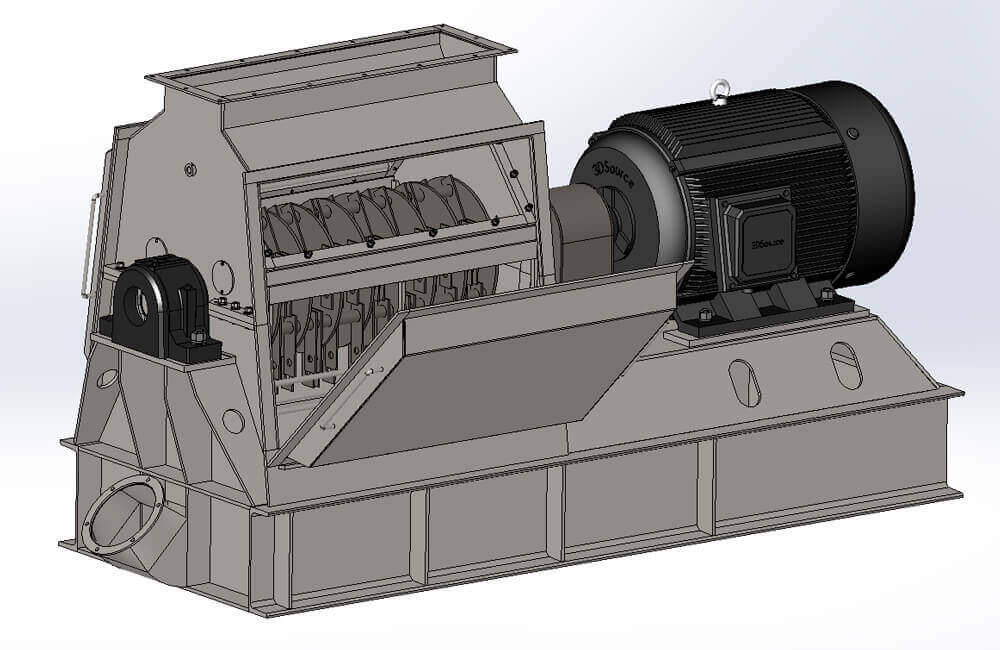
Hammer Mill Selection Quick Answer
A hammer mill is used after coarse size reduction to grind prepared wood chips, small wood pieces, straw and other confirmed biomass into crushed or sawdust-like material for pelletizing. TCPEL’s current GXP series has seven models. Select a model from the raw material type and form, maximum input size, current moisture, required 5–8 mm output size and required finished crushed material capacity. Whole logs and large branches should go through a drum chipper first. If the project also needs drying, pelletizing, cooling or packing, evaluate a complete pellet production line instead of treating the hammer mill as the whole system.
TCPEL GXP hammer mills reduce prepared wood chips, small wood pieces, straw and other confirmed biomass materials into crushed or sawdust-like material for downstream pelletizing. The current series uses replaceable screens and provides a 5–8 mm output size; model capacity is measured as finished crushed material output. Whole logs and large branches require upstream coarse size reduction, such as a drum chipper for coarse wood preparation, before hammer milling. To select a model, confirm the raw material type and form, maximum input size, current moisture, required output size and required finished crushed material capacity. If the project also requires drying, pelletizing, cooling or handling, route the inquiry to a configurable pellet production line.
What Materials Can the GXP Series Process?
Wood and Wood Residues
Verified inputs include prepared wood chips, small wood pieces, wood offcuts or residues, and coarse sawdust or sawdust lumps. Whole logs and large branches are not direct GXP inputs.
Agricultural Biomass
Verified inputs include straw, grass, corn stalk or corn straw, peanut or ground-nut shell, and other confirmed agricultural biomass. This does not extend to every waste material.
For downstream routing, compare wood pellet machines for wood and sawdust projects, biomass pellet machines for confirmed agricultural residues, or feed pellet machines when grain and feed ingredients are the primary application.
Hammer Mill Output, Screen and Moisture Boundaries
Output definition: the GXP hammer mill produces crushed, ground or sawdust-like material prepared for downstream processing. It does not produce wood chips, wood shavings or finished pellets.
- Current output-size reference: 5–8 mm. This is the finished output-size context, not a screen-hole diameter or a promise that every particle has the same size.
- Screen system: screens are present and replaceable; exact screen-hole options remain model- and project-specific.
- Maximum input moisture: raw-material input moisture should not exceed 20%. This is not an ideal moisture value for every material and not the pelletizing moisture requirement.
- Moisture preparation: when the confirmed project requires drying, review a rotary dryer for moisture preparation as a separate process stage.
A hammer mill performs finer size reduction after coarse material preparation. It produces crushed, ground or sawdust-like material for downstream pelletizing; it does not produce finished pellets.
Verified inputs include prepared wood chips, small wood pieces, wood offcuts or residues, coarse sawdust, straw, grass, corn stalk or corn straw, peanut shell and other confirmed agricultural biomass. Grain and feed ingredients are a secondary supported application. Whole logs and large branches are not direct inputs.
Capacity means finished crushed material output for the listed GXP model. It is not raw feed rate, pellet-mill capacity or complete-line finished-pellet output.
The Owner-confirmed generic current output size is 5–8 mm. This is an output-size reference, not a screen-hole diameter or a guarantee that every particle has the same size.
For the current GXP series, raw-material input moisture should not exceed 20%. This is a maximum input-moisture boundary, not the ideal moisture for every material or the required moisture for pelletizing.
No. Whole logs and large branches require upstream coarse size reduction, normally through an appropriate drum chipper, before hammer milling.
Confirm the raw material type and form, maximum input size, current moisture, required output size and required finished crushed material capacity. TCPEL can then review the suitable current GXP model.
Choose a complete-line route when the project must integrate multiple stages such as coarse reduction, fine grinding, drying, pelletizing, cooling, screening, packing or material handling. The hammer mill remains one process-stage machine within that configuration.
TCPEL Manufacturing and Project Support
View the hammer mill grinding test on this page without loading the video player until you choose to play it.
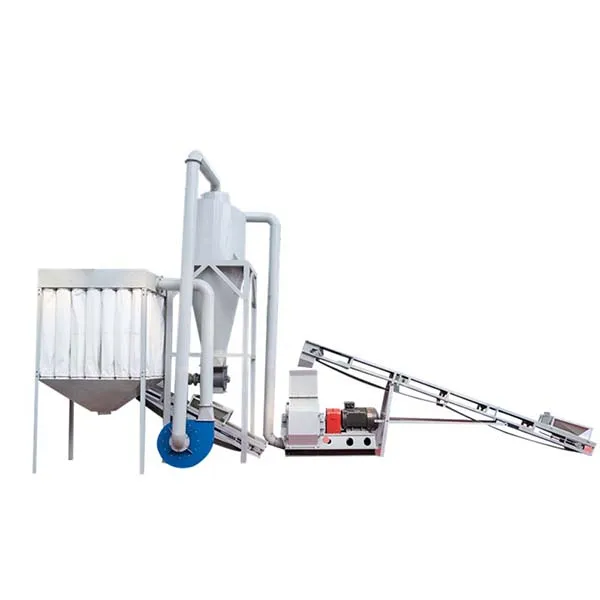
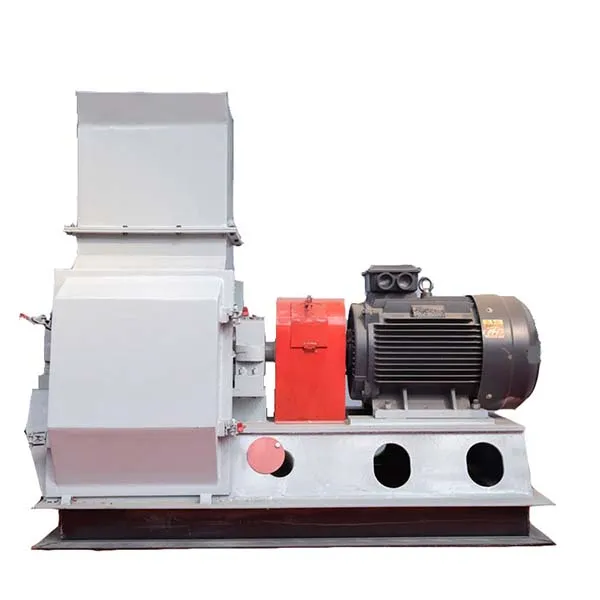
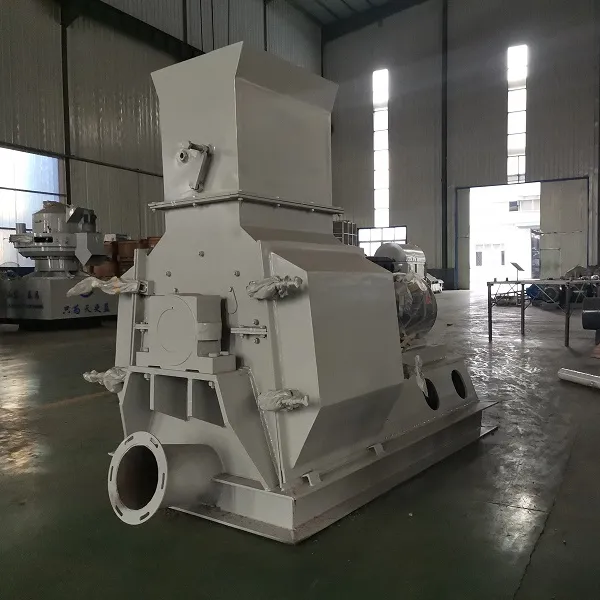
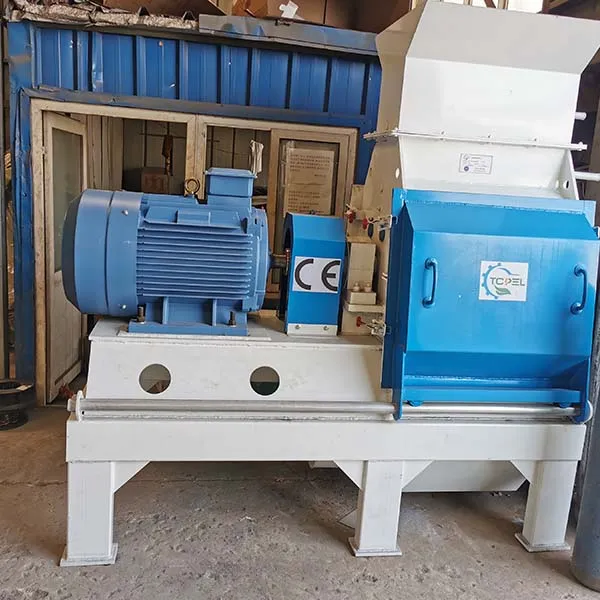
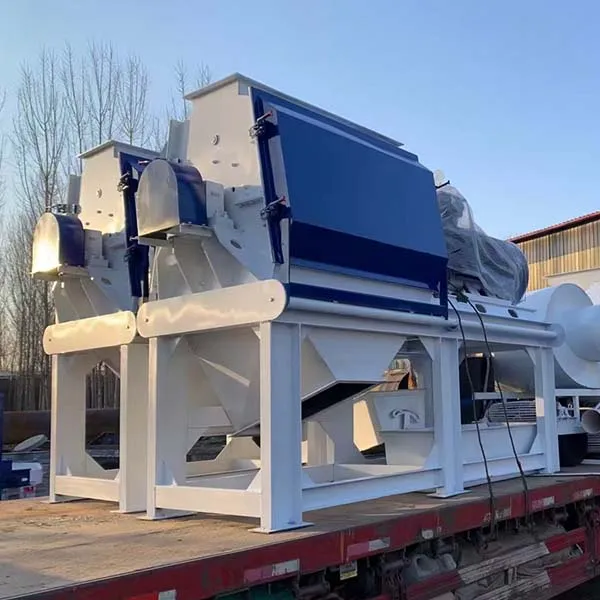
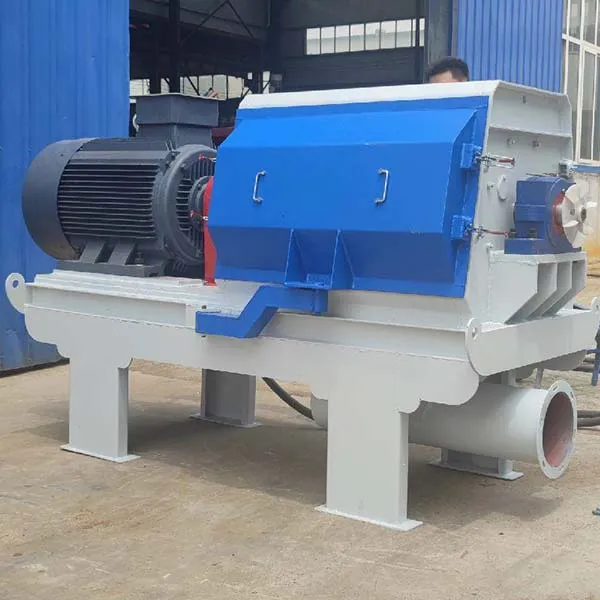
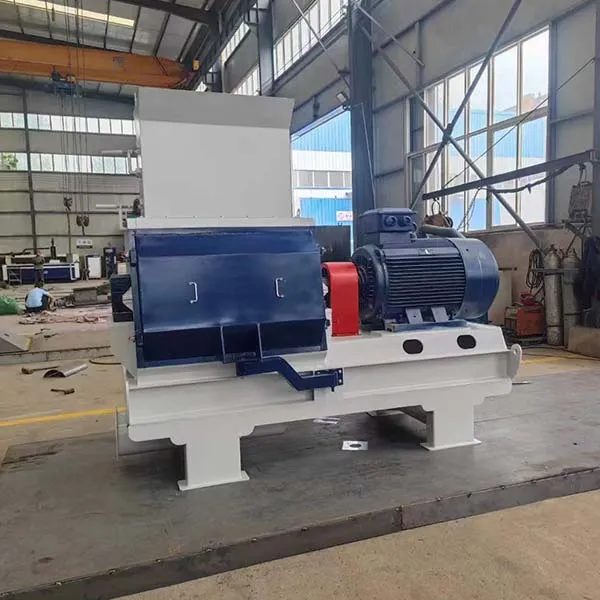
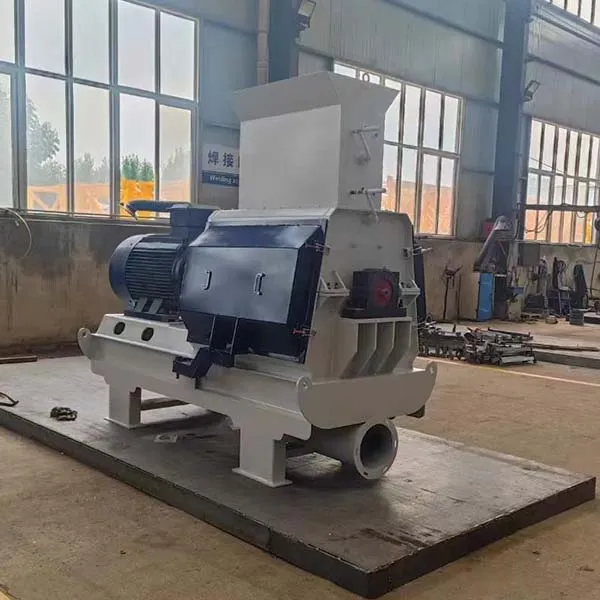
The existing machine photographs, delivery images and working video show the GXP hammer mill product and current project-support context. TCPEL reviews the confirmed material, output requirement and process position before recommending a model. Power supply, operating hours, standalone or complete-line scope and project location are then confirmed for quotation and engineering communication.
How to Select a Hammer Mill for Your Project
Confirm Raw Material Type and Form
Identify the actual wood or confirmed biomass material and whether it arrives as prepared chips, small pieces, offcuts, coarse sawdust, straw or another supported form.
Confirm Maximum Input Size and Current Moisture
Oversized logs and large branches require upstream coarse reduction. Confirm the current moisture against the maximum input-moisture boundary before selecting the grinding route.
Define Required Output Size and Finished Crushed Material Capacity
Use the required crushed-material output—not raw feed rate, pellet-mill capacity or full-line capacity—to compare the current GXP models.
Select Standalone Equipment or a Complete Pellet Line
Choose a standalone hammer mill when the surrounding preparation and downstream equipment already exists. Route multi-stage projects to a complete line when drying, pelletizing, cooling, screening, packing or integrated handling must be coordinated.
Drum Chipper vs Hammer Mill vs Pellet Mill
| Equipment | Primary Function | Output or Route |
|---|---|---|
| Astilladora de tambor | Coarse reduction of logs and large branches | Wood chips prepared for finer size reduction |
| Molino de martillos | Downstream finer size reduction | Crushed, ground or sawdust-like material |
| Industrial pellet mills | Pelletizing | Finished pellets |
| Línea de producción de pellets | Configurable multi-stage project | Project-defined finished-pellet output |
Each machine keeps its own capacity metric. Hammer mill finished crushed material output does not represent pellet-mill or complete-line capacity.
Current TCPEL GXP Hammer Mill Models
The verified current model set covers 500 kg/h to 5 t/h of finished crushed material output across the listed GXP models.
| Modelo | Potencia del motor | Finished Crushed Material Output |
|---|---|---|
| GXP65×27 | 22 kW | 500 kg/h |
| GXP65×55 | 37 kW | 1 t/h |
| GXP65×75 | 55 kW | 2 t/h |
| GXP65×100 | 90 kW | 2.5 t/h |
| GXP65×110 | 110 kW | 3 t/h |
| GXP75×110 | 132 kW | 3.5 t/h |
| GXP130×55 | 160 kW | 4–5 t/h |
Capacity note: Capacity means finished crushed material output for the listed GXP model. It is not raw feed rate, pellet-mill capacity or complete-line finished-pellet output. Actual selection must confirm the raw material and project conditions.
 Español de México
  English
  Bahasa Indonesia
  العربية
  Français
  Русский
  Português do Brasil
  Italiano