
Professional Cattle Feed Pellet Machine Manufacturer, ISO9001 Certificated
- Capacité plus élevée et coûts réduits des pièces d'usure
- Large éventail d'applications possibles
- Fonctionnement stable et facilité d'utilisation
Cattle Feed Pellet Machine-The Beginner's Guide
Do you manage cattle/livestock farming? Purchasing a Cattle Feed Pellet Machine is that solution you need to produce the best quality cattle feeds with balanced nutrients. It’s economical and saves unnecessary cost of buying feeds. The pellet machine for cattle feed is also easy to operate. Read on to learn more about the cattle pellet machine and all you need to know before buying.
What is cattle feed pellet machine?
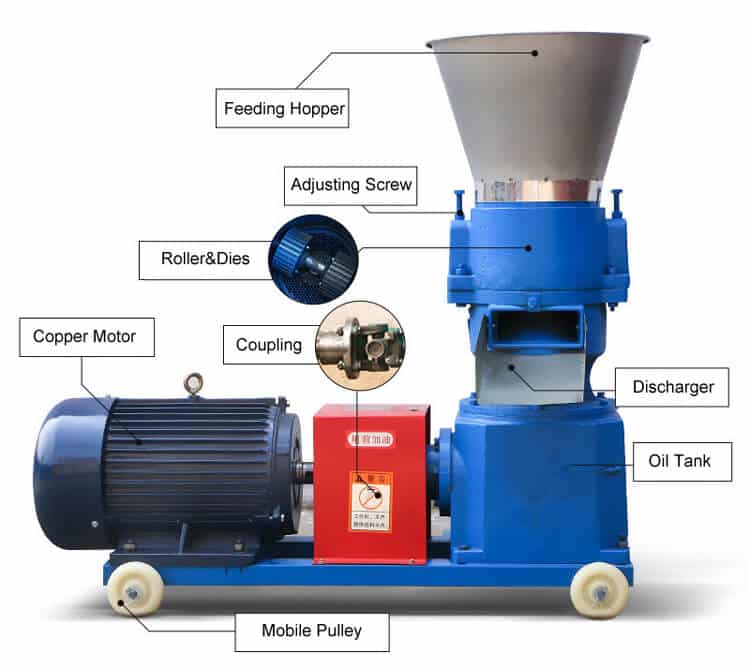
Cattle feed pellet machine is a multi-component equipment that comprises a feeding system, pelleting system and a drive system that helps to create cattle feed pellets from crushed soybean meal, wheat, grass, corn, etc.
What is cattle feed pellet machine used for?
Cattle feed pellet machine is used to process dry powdered feed into small or medium-sized pellets. The powdered/crushed feed includes cereals, soybean meal, additives, minerals, vitamins, feed preservatives and other necessary trace nutrients.
How does a cattle feed pellet machine work?
Getting the best out of your cattle pellet machine requires that you understand how it works. There are two types of pellet machine for cattle feed: the ring die pellet machine and the flat die pellet machine.
Remember that the cattle pellet machine processes powdered material into pellets. Hence, the first step involves crushing the feed materials like your soybean meal, grass and corn into powder. The powdered materials are then introduced into the cattle feed pellet machine, where a centrifugal component does the mixing.
For the flat die machines, a roller presses upon the mixed materials till they form pellets. The pellets are cooled and there is a cutting knife to get them to the desired shape.
The process is also similar to that of ring die machines, except that the powdered feed forms pellets by being squeezed through the holes of the rolling ring die.
How much does a cattle feed pellet machine cost?
There is no fixed cattle feed pellet machine cost and the price range depends on the production capacity you plan to achieve. The cattle feed pellet machine price for an average setup starts from about $1000 to $2000. Such feed mills are suitable for small businesses with low market demand.
However, you can still get a budget-friendly pellet machine for cattle feed. Some could be as low as $500, but with minimal function because of the price.
Purchasing a cattle feed pellet machine with complete functionality should cost about $2500 or more. The higher cost should not scare you. It only means higher utilization and higher production rate.
How to choose the best cattle feed pellet machines for pellet production?
The cattle feed pellet machine price is not all that matters when purchasing one. There is more to choosing the best pellet machine for cattle feed.
Here, we have highlighted some of the essential factors to consider.
Raw material type
Both the flat die and ring die pellets are compatible with any type of feed material you choose to use. The ring die is the more preferred option for grass feed materials. It is more efficient and meets the compression ratio requirements.
Percentage of grass powder
The percentage of powder in feed material should affect your choice of pellet machine for cattle feed. Use the flat die machine for small production involving feed materials with a high proportion of powder. Larger production outputs require the ring die pellet mill because it has the mechanism to prevent blockage caused by the powders.
Animal type
The animal type determines the type of feed pellet machine you will buy. That is because the feed pellet mill must be able to produce the required diet concentration. A thinner die is enough to produce cattle feed pellets, while we recommend a thicker one for pigs and chicken.
Production capacity
The cattle pellet machine has an instructional manual or book that should contain the production capacity. Make sure your desired choice of cattle pellet mill meets your targeted production level. It is even more advisable to choose a machine with slightly higher capacity than is required. If you are going to be having 24/7 production schedules, check for ring die pellet machines instead.
Puissance
Asides from the name of the cattle feed pellet machine manufacturer, the power rating is another information on the manual. It helps to choose the best cattle feed pellet machine for cattle production because it indicates the output capacity.
How to make cattle feed pellets?
Learn the practical procedures to make the best cattle feed pellets in easy steps.
Step 1. Gather your raw materials
Depending on the cattle diet formula, there are some set of nutrients that must be available. The expected nutrients are present in your corn, wheat, grass, soybean meal, fish meal, and so on. Source for these raw materials from the market or get a supplier to send them to you at a cheaper rate.
Step 2. Get a balanced nutritional formula
Ensure the composition of nutrients from your raw materials matches the recommended nutritional formula for your cattle. For example, a matured cow in the mid-trimester of pregnancy would require about 7% protein and 48.8% TDN. It is slightly different for a 2-year-old heifer that needs more of protein and TDN (8.6% and 59.3% respectively) in the last pregnancy trimester. Verify the specific diet formula for your cattle breed.
Step 3. Prepare the premix
The premix is a combination of all your powdered raw ingredients, such as your fish meal. Measure and record their combined proportions. It’s a premix, so you can decide to store them until it is time to make the pellets.
Note: use minimal fat as possible. Excess fat has the potential to reduce the feed’s quality and might even affect the cattle pellet machine.
Step 4. Crush the whole grains
You can use a stone for crushing during minimal production. However, we recommend a feed grinder. Uniformly crush the raw grains before adding them to the premix. Do the mixing with hand or a feed mixer, depending on the production volume.
Step 5. Introduce the mixed raw materials into the cattle pellet machine
Safety first! Read the instructional manual before getting started. The pellet machine automatically helps to compress the raw feeds into pellets. Although you might need to use a pellet drying machine to remove left-over moisture after production. It’s optional anyway.
Step 6. Store in a cool, dry place
This step is important for those that do not plan using the pellets immediately. Store them in a dry container free from moisture.
Step 7. Clean up after use
Properly clean the pellet machine and periodically lubricate the moving parts to keep the machine in good working condition.
How to use a cattle feed pellet machine for beginners?
We have broken down some of the cattle feed pellet procedures for beginners to understand quickly.
1. Sort the raw materials
You probably do not want to end up having strange items like metals or tiny plastics in your cattle feed. That’s why it is essential to sort the raw materials before introducing them to the pellet machine.
2. Crush the raw materials
Crushing or grinding the sorted raw materials ensures that proper mixing is done. It also hastens the pellet production process. The crushed materials should be smaller than the die holes to avoid clogging.
3. Pre-treat the raw materials feed
This step includes checking for excess moisture. Wet raw materials affect the pellets’ quality while the ones that are too dry do not properly form.
4. Consider the adhesive properties of raw mix
Some of the raw materials combine better to form pellets. For example, rice husk alone will not properly mash unless we mix it with a secondary binder like sawdust. Try making enquiries to avoid wasting raw materials. You can also carry out small production samples before starting large-scale production.
5. Aim for uniform pellet length
The settings for the pellet machine’s slicer determine the length of the produced pellets. That means you can always adjust cattle pellets’ size. However, the thickness of the pellets depends on the hole size of the flat or ring die.
6. Cool the produced pellets
The pellets can be very hot after production and should be allowed to cool before packaging. Also, ensure there is no moisture before storage.
7. Properly clean the machine
It is poor practice to shut down the cattle feed pellet machine immediately after use. Proper maintenance ethics include cleaning off remnants of the raw materials feed. Also lubricate the machine and let it work for a little longer to allow proper oil circulation.
How to maintain a cattle feed pellet machine?
With increasing cattle feed pellet machine cost, keeping your pellet machine in optimal working conditions after every use is vital. The following are some ways to maintain your cattle feed pellet machine:
Clean after every use
The keyword here is “every”. It is not enough to use the pellet machine and abandon until the next production operation. Dust from the powdered materials gets accumulated between the machine parts until they are cleaned.
Lubricate after prolonged use
If you’re conversant with the cattle pellet mill, you understand that the parts sometimes get hot after long hours of use. That might cause some of the oiled parts to become dry. That is why cattle feed pellet machine manufacturers recommend lubrication after about 7-8 hours of use.
Maintain a fixed maintenance schedule
Create a preventive maintenance schedule. Let’s say every six months to ensure all parts of the cattle pellet machine are fully functional.
TCPEL Cattle Feed Pellet Machine Introduction

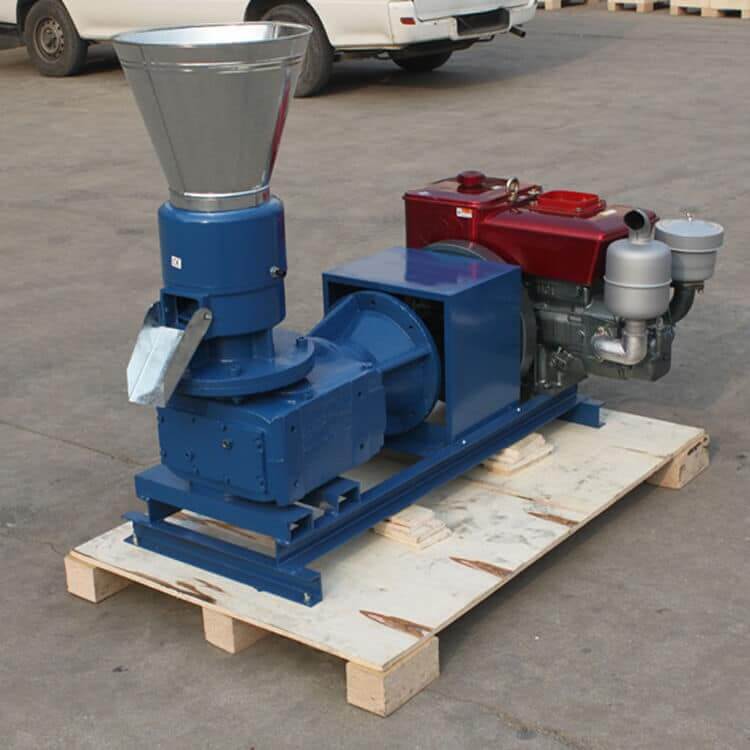
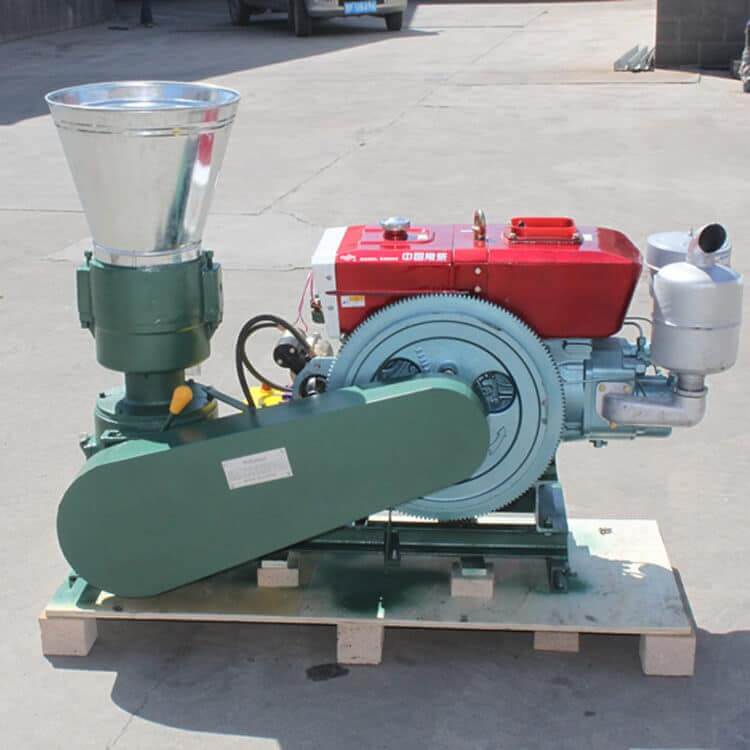
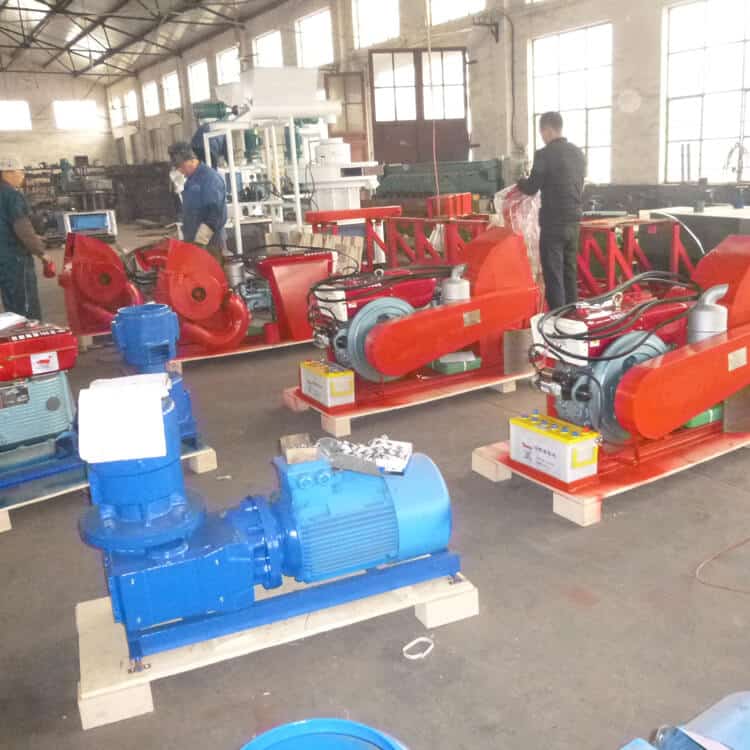

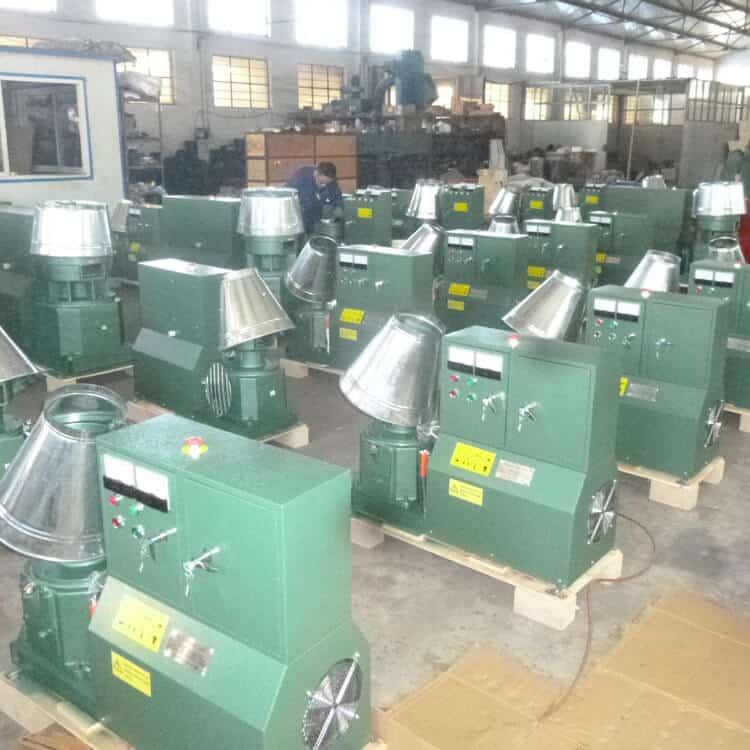
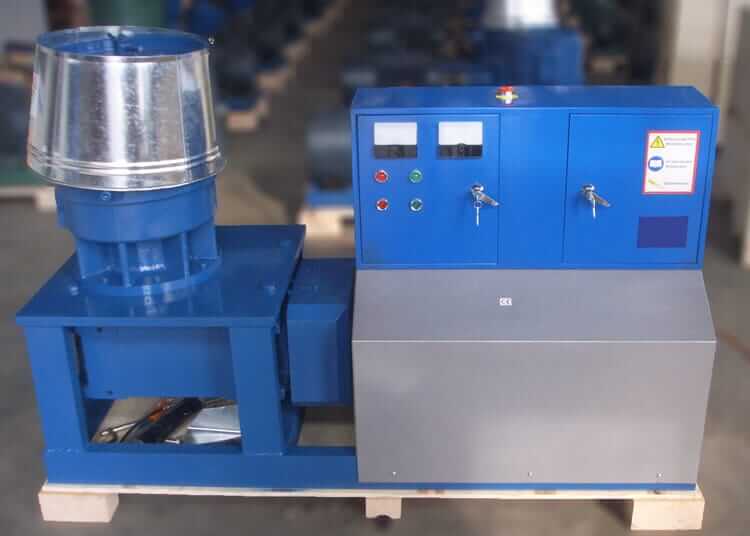
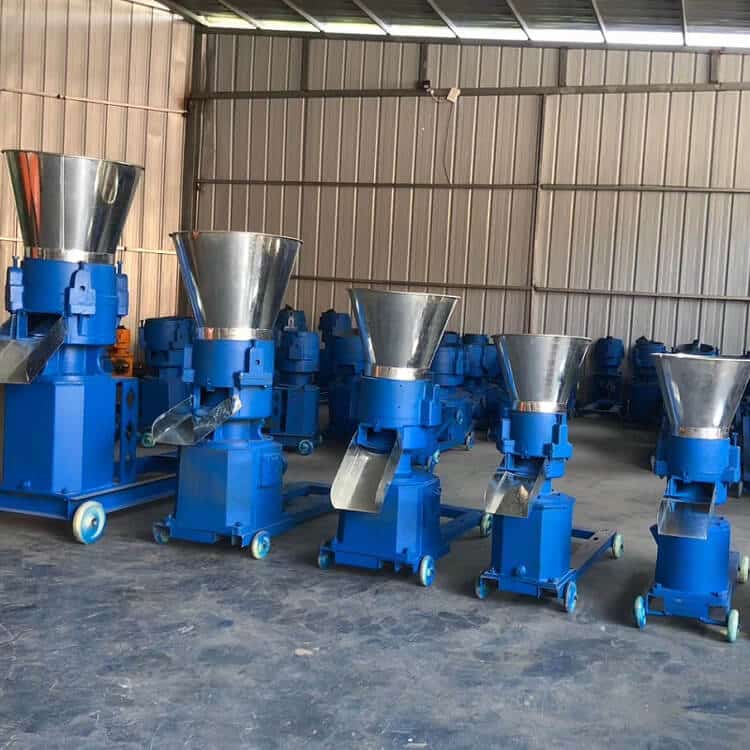
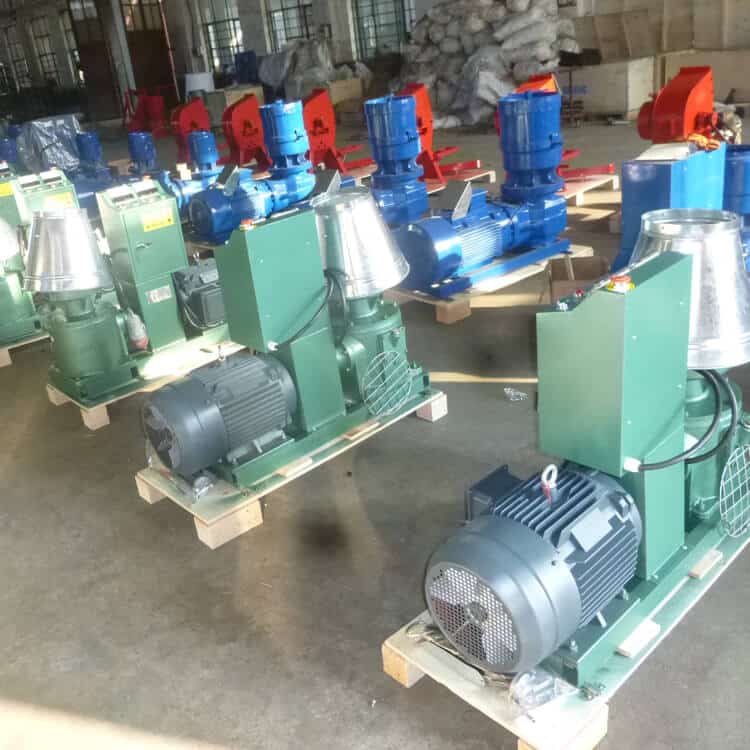
TCPEL cattle feed pellet machine is perfect for large, medium, and small companies looking to expand and improve how they process animal feed pellets. Whether you’re an aquaculture plant or a grain factory, or a livestock farm, this pellet feed mill will work wonders for you.
Les agriculteurs et les entreprises d'alimentation du bétail l'ont utilisé dans le monde entier. Il n'est pas nécessaire de sécher les matières premières, car même les ingrédients en poudre peuvent produire des particules cylindriques. Il vous fera gagner du temps et de l'énergie, ce qui vous permettra de produire plus d'aliments pour animaux (et de gagner plus d'argent) dans votre entreprise.
Entraîné par un moteur puissant, il peut presser des granulés d'aliments pour animaux et des granulés de sciure de bois tant que le taux d'humidité des matières premières est compris entre 12 et 20%. Vous pouvez choisir parmi plusieurs diamètres de filière, ce qui vous permet de traiter les matériaux un granulé à la fois, mais rapidement et plus efficacement pour maintenir votre ligne de production sur la bonne voie.
Here are some of the main features of this product:
1. Multiple power ratings available: You can buy this machine with multiple power ratings ranging from 3 KW in the smallest model up to 15 KW or more. This makes it highly efficient for factories and businesses of any kind. Power options vary depending on your needs, including electric, diesel, gasoline, or PTO. You can tailor these options to make your machine easier to move, power, and more efficient to run.
2. Easy to operate: This feed pellet machine has a high output with low consumption and low noise. Not only is it quiet to operate, but it’s easy to operate, too. It’s easy to train new operators to use the machine and only takes one person to run.
3. Requires minimal maintenance: Maintenance is essential for any feed pellet machine, but with this product, you’ll find that it has parts and components that make it easy to take care of. It has a high-pressure filtration system and independent lubrication systems, so you won’t constantly stop lubricating the machine.
4. Versatile in its applications: You can use this feed pellet machine to process feed pellets for just about any type of species. It can work with things like rice husks, peanut shells, sunflower husks, wood parts, and much more, making it one of the most versatile products you can buy. It works with high density and low density materials, low moisture content, and high moisture content alike.
5. Multiple apertures available: Several different apertures are available to suit the needs of different types of animals and their required feeds. Not all feed can be processed through the same flat die, so this machine makes it easy to change them out.
Cattle Feed Pellet Machine Parameters
| Modèle | Capacité | Type de rouleau | Puissance | Tension (V) | Poids | Dimension (mm) |
|---|---|---|---|---|---|---|
| TCF150 | 150-200kgs/h | Deux rouleaux inclinés | 7,5 kW | 380V,50/60HZ, 3PHASE | 190 kg | 1220*620*840 |
| TCF200 | 300-400 kg/h | Deux rouleaux inclinés | 11kw | 380V,50/60HZ, 3PHASE | 270 kg | 1420*670*1100 |
| TCF250 | 600-800 kg/h | Deux rouleaux inclinés | 15kw | 380V,50/60HZ, 3PHASE | 480 kg | 1660*740*1220 |
| TCF300 | 800-1000kgs/h | Deux rouleaux inclinés | 22kw | 380V,50/60HZ, 3PHASE | 650 kg | 1830*880*1560 |
| TCF350 | 1000-1200kgs/h | Deux rouleaux inclinés | 30kw | 380V,50/60HZ, 3PHASE | 750 kg | 1960*920*1680 |
| TCF400 | 1400-2000kgs/h | Deux rouleaux inclinés | 37kw | 380V,50/60HZ, 3PHASE | 900 kg | 2550*980*1600 |
| TCF450 | 2000-2500kgs/h | Deux rouleaux inclinés | 45kw | 380V,50/60HZ, 3PHASE | 1500 kg | 2780*1100*1700 |
| TCF550 | 2500-3500kgs/h | Trois rouleaux inclinés | 75kw | 380V,50/60HZ, 3PHASE | 1800kgs | 2900*1300*1900 |
| TCF650 | 3000-4000kgs/h | Trois rouleaux inclinés | 90kw | 380V,50/60HZ, 3PHASE | 2100 kg | 2950*1500*2000 |
| TCF700 | 4000-5000kgs/h | Trois rouleaux inclinés | 110kw | 380V,50/60HZ, 3PHASE | 2500 kg | 3000*1600*2100 |
| TCF800 | 5000-6000kgs/h | Trois rouleaux inclinés | 132kw | 380V,50/60HZ, 3PHASE | 2900kgs | 3150*1800*2200 |
TCPEL Cattle Feed Pellet Machine Advantages
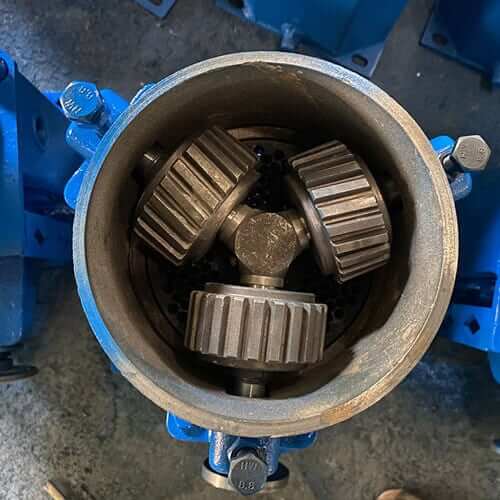
The pressure roller and grinding disc are made of chromium-manganese steel, which is more durable after high-temperature quenching treatment. The newly upgraded grinding cavity is 10-20 times the wear resistance of ordinary materials.
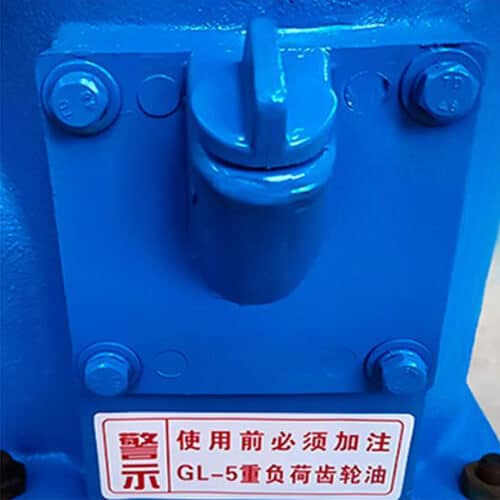
Facile à remplir, simple à utiliser, l'huile pour engrenages GL-5 doit être remplie avant l'utilisation.
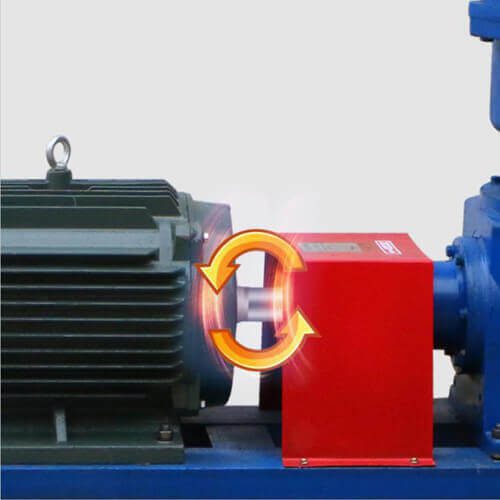
L'accouplement électrique, l'arrimage direct, le fonctionnement simple et l'installation pratique. L'accouplement est stable et durable, fabriqué en acier inoxydable, après un traitement de trempe à haute température, plus durable que les matériaux ordinaires. L'entraînement par accouplement nouvellement amélioré, comparé à l'ancien entraînement par courroie, a moins de perte de rapport de transmission et est plus durable et résistant à l'usure.
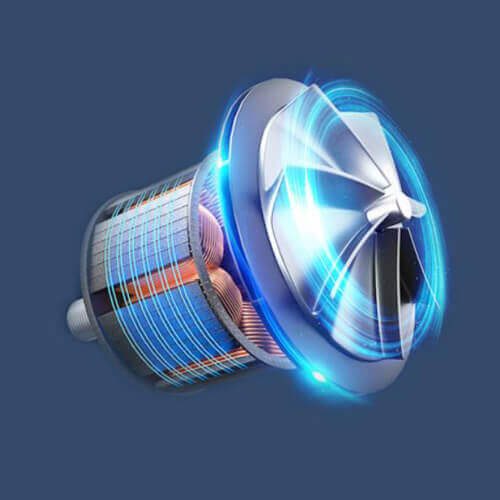
Moteur en fil de cuivre 100%, longue durée de vie, grande puissance, économie d'énergie. Bobine en cuivre, dissipateur de chaleur, longue durée de vie, roulement silencieux, fonctionnement stable et faible bruit. Mise hors tension à haute température pour éviter tout dysfonctionnement dû à une température élevée.
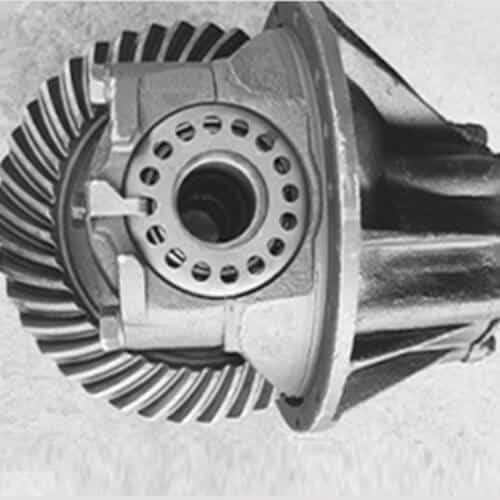
Il adopte la conception du différentiel de l'essieu arrière de l'automobile, qui présente une bonne combinaison d'engrenages, réduit la charge sur le moteur principal et offre une bonne stabilité.
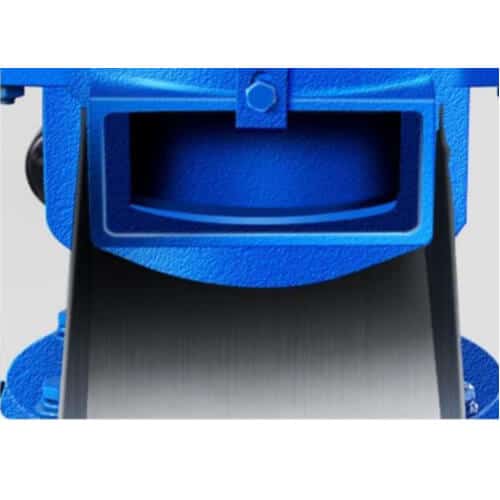
La conception de l'entrée d'alimentation plus large rend l'alimentation plus pratique et l'efficacité du travail plus élevée. La conception de l'orifice de décharge élargi, avec des déflecteurs des deux côtés pour éviter les déversements d'aliments, l'orifice de décharge élargi et agrandi, la décharge plus rapide et plus régulière.
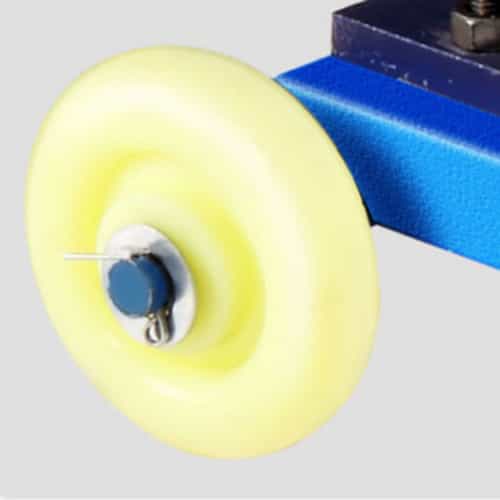
Adopt nylon sliding casters, wear-resistant and durable
 Français
  English
  Español de México
  Bahasa Indonesia
  العربية
  Русский
  Português do Brasil
  Italiano