

Changing to a smaller pellet diameter can reduce the output of a flat die feed pellet machine. This can happen without a change of motor or recipe, because the replacement die changes the resistance the feed has to overcome.
It is tempting to open the feeder further to make up the difference. Before doing that, compare the two dies. Hole diameter, working length and the amount of open hole area all affect how feed passes through the plate.
1. The holes are smaller, but the working length may be the same
Feed is compressed as it moves along the narrow working section of a die hole. Reducing the hole diameter while keeping the same working length raises its length-to-diameter ratio, often written as L/D. The feed then meets more resistance.
The important dimension is the working length, not simply the thickness of the whole plate. Some dies have a wider relief section at the outlet. That section does not provide the same compression as the narrow working bore. Two plates with the same outside thickness can therefore behave differently.
Improvement method: Compare the old and new die specifications, including the working bore and any relief. Have the replacement matched to the feed formula; do not choose a die from hole diameter alone.
2. Smaller holes do not tell you the total open area
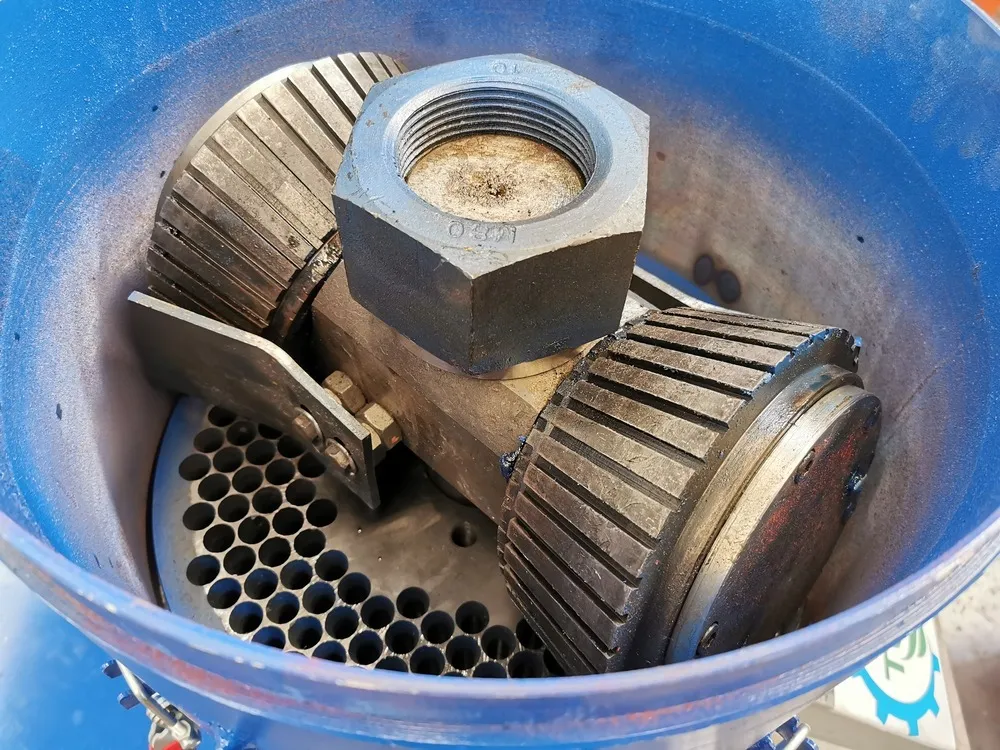
Each smaller hole gives the material a smaller passage, but the plate may contain more of them. Both diameter and hole count determine the total open area. This is why we do not calculate a production loss from pellet diameter alone.
Blocked holes further reduce the area available for feed to pass through. If a replacement performs poorly, its hole pattern and condition need checking as well. A smaller pellet size does not, by itself, prove that the new die is defective.
Improvement method: With the machine safely isolated, check for obstructed holes and verify that the die is the correct part for the mill. Follow the supplied cleaning and commissioning procedure. Do not drill out holes or alter the relief to recover output.
3. The previous feed rate may now overload the mill
If the new die allows less feed through, keeping the old feeder setting can put more material onto the plate than the rollers can press through. The mill may reach its allowable load before it reaches the previous production rate. More feed in the chamber is not the same as more pellets at the outlet.
Tightening the rollers is not a substitute for a correctly selected die. Too close a setting can damage the working surface and hole entrances. Changing the feed recipe or adding water at the same time also makes it harder to establish why performance changed.
Improvement method: Use the recommended commissioning feed rate, then increase gradually within the machine’s operating limits. Compare output with the same formula and prepared-feed condition. Watch the permitted motor load rather than trying to reproduce the old feeder setting.
Before removing a die, opening guards or making internal adjustments, stop the machine, isolate and lock off its energy sources, and verify isolation. Follow the maintenance procedure for the model, including any stored-energy precautions.
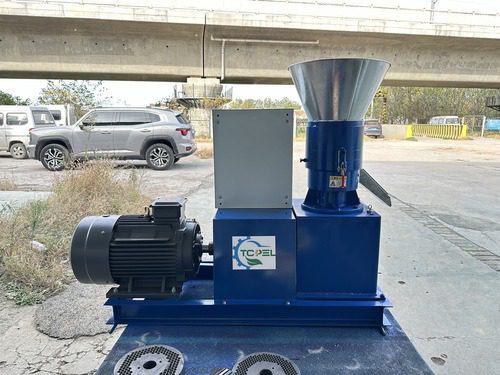
Il nostro TCF feed pellet machines use inclined rollers over a stationary flat die. When ordering another pellet size, give us the machine model, feed formula and required output as well as the hole diameter. The die needs to suit the feed you intend to make, not just fit the machine.
 Italiano
  English
  Español de México
  Bahasa Indonesia
  العربية
  Français
  Русский
  Português do Brasil