Wood Shaving Machine for Animal Bedding and Biomass Use
Send raw material size, target capacity, shaving thickness, voltage and bedding use. TCPEL will recommend a suitable wood shaving machine or a complete shavings line.
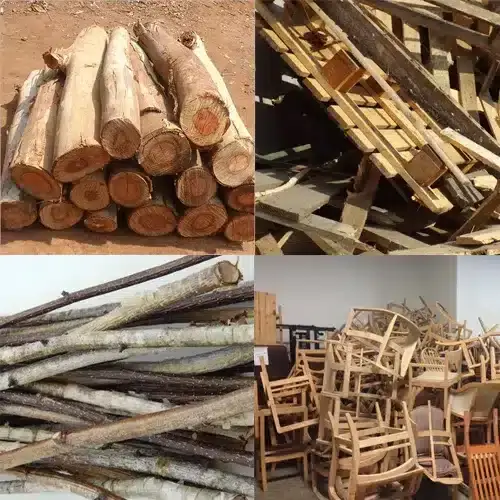
- For logs, waste wood, pallets and clean wood blocks
- Typical output from 500 kg/h to 1500 kg/h, depending on material
- 2-shaft, 4-shaft and 6-shaft reference configurations
- For animal bedding, packing material and biomass preparation
- Machine testing and basic operation guidance before delivery
Wood Shaving Machine Introduction
Wood Shaving Machine Working Videos
View the wood shaver working process on this page without loading the player before click.
View a wood shavings production reference video on this page.
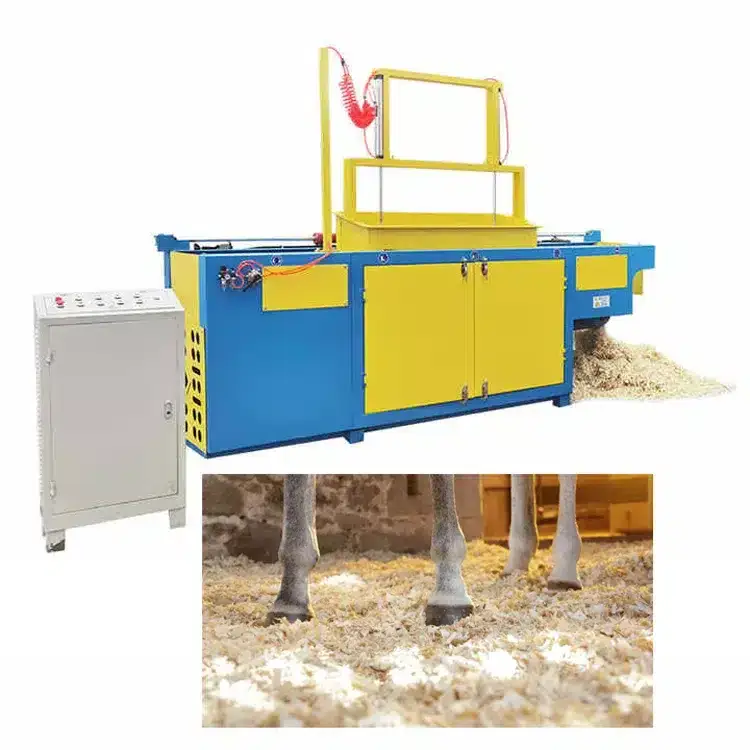
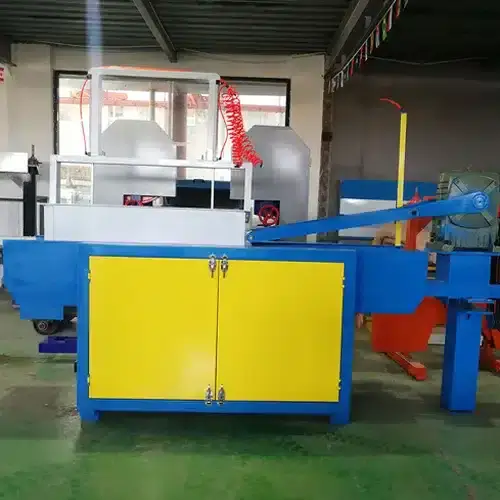
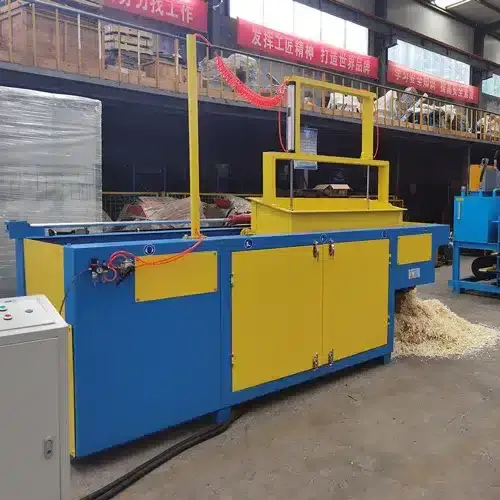
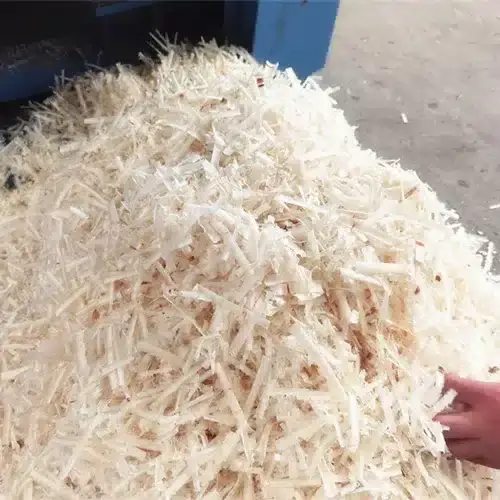
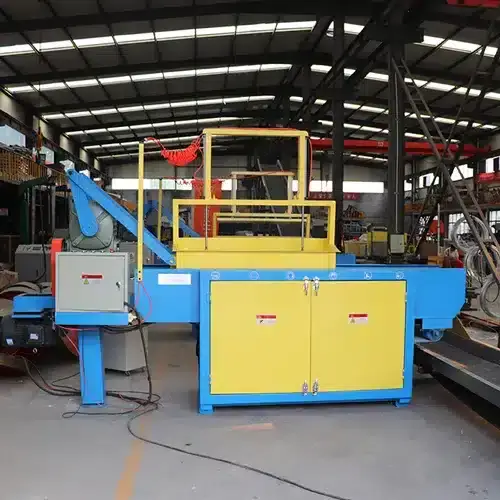
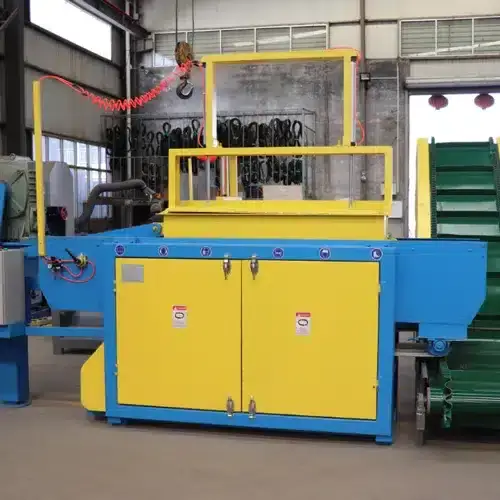
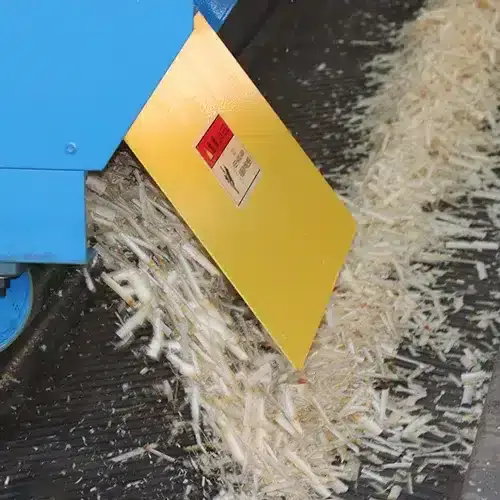
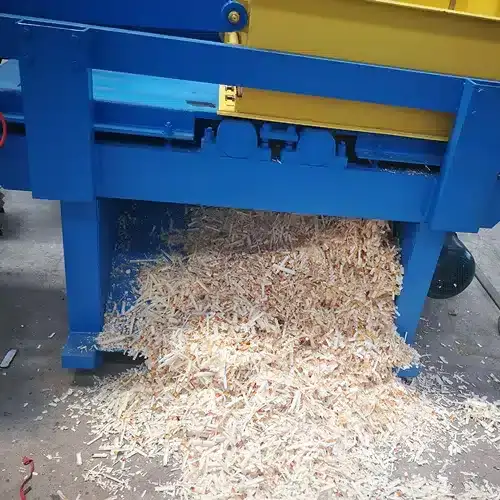
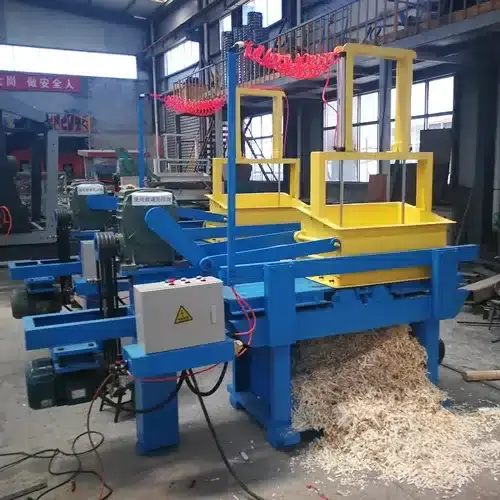
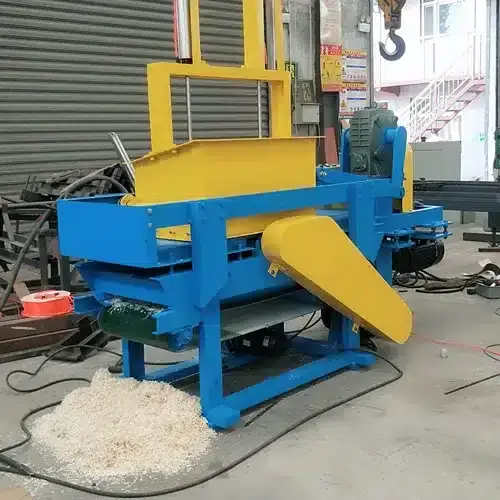
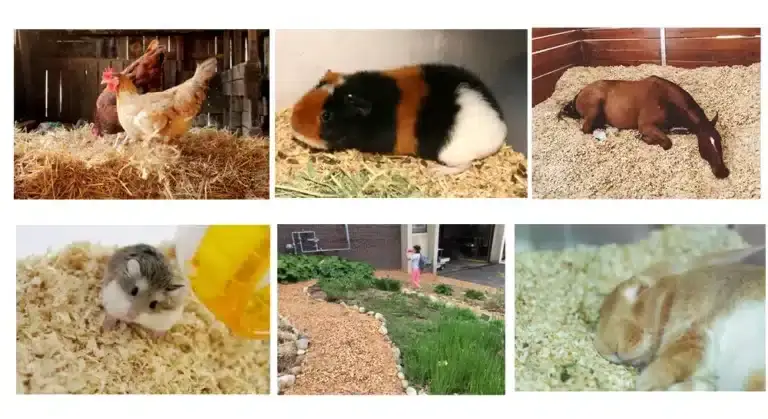
A wood shaving machine cuts prepared logs, wood blocks, pallets or clean waste wood into thin shavings. The finished shavings are commonly used for animal bedding, poultry bedding, horse bedding, packing material and some biomass preparation applications.
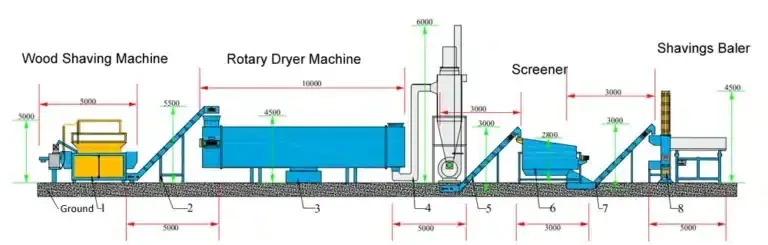
Stable shaving quality depends on raw material size, wood moisture, blade condition, shaft configuration and feeding stability. If the project needs a complete line, TCPEL can combine the shaver with log loading, debarking, cutting, rotary drying, screening and packing equipment.
Wood shavings are usually made from clean logs, wood blocks, waste wood or pallets after nails, metal and hard impurities are removed. For animal bedding projects, buyers should confirm shaving thickness, moisture target, package size and local voltage before selecting the machine.
For upstream size reduction or biomass pellet projects, compare related equipment such as moinho de martelos, drum chipper, máquina de pellets de madeira e packing machine.
Wood Shaver Selection Points
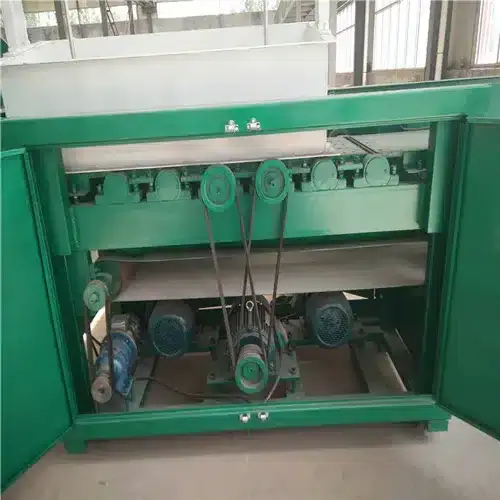
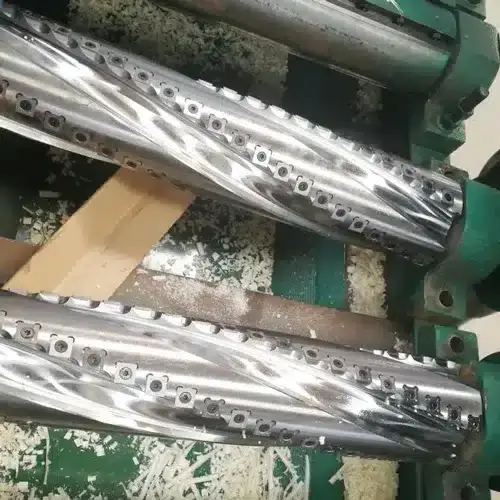
The machine can be prepared for 2-shaft, 4-shaft or 6-shaft reference configurations. Final selection depends on required capacity, wood length and shaving quality.
Capacity is typically from 500 kg/h to 1500 kg/h. Actual output depends on wood species, moisture, block size, blade sharpness and feeding stability.
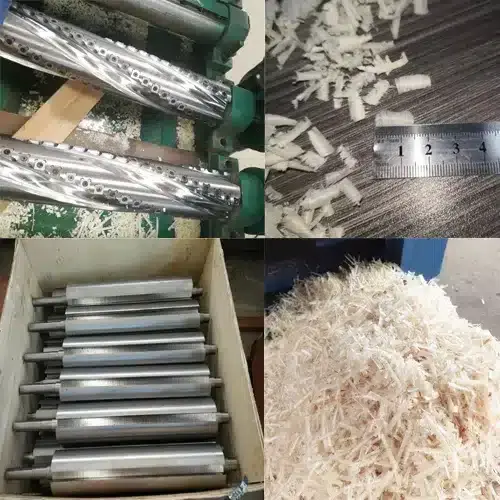
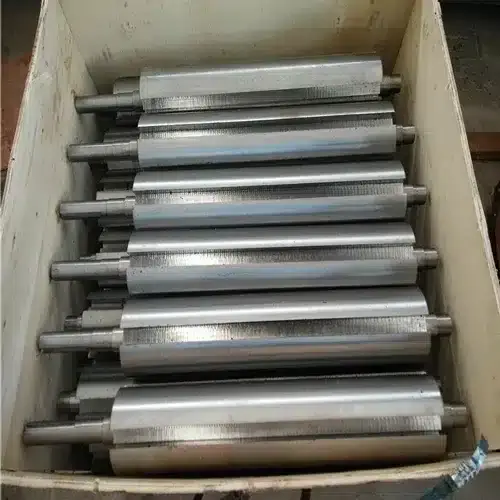
Different blade and shaft designs can be selected according to required shaving size. Blade maintenance and correct adjustment are important for uniform shavings.
Suitable materials include logs, wood blocks, waste furniture wood and pallets after metal and hard impurities are removed. Oversized or dirty material should be prepared first.
Wood Shaving Machine Specification
The TCWS500 models below are reference configurations. Final motor, voltage, blade arrangement and line equipment should be confirmed according to raw material and project capacity.
| Item | TCWS500-2 | TCWS500-4 | TCWS500-6 |
|---|---|---|---|
| Max wood width | 500 mm | 500 mm | 500 mm |
| Max wood length | 800 mm | 1400 mm | 1400 mm |
| Blade shaft | 2 | 4 | 6 |
| Blade quantity | 8 | 16 | 24 |
| Machine bucket length | 800 mm | 1400 mm | 1400 mm |
| Motor power | 10.5 kW | 23.25 kW | 30.75 kW |
| Shaving thickness | 0.2-1 mm | 0.2-1 mm | 0.2-1 mm |
| Typical capacity | 500 kg/h | 1000 kg/h | 1500 kg/h |
Capacity is a typical reference and depends on wood type, moisture, blade condition and feeding operation.
TCPEL Wood Shaving Machine Support
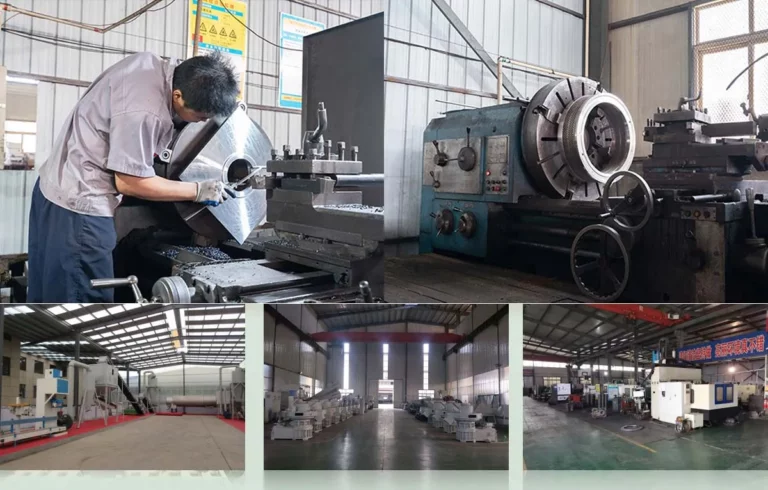
TCPEL supports wood shaving machine selection based on raw material, target output, local voltage, shaving thickness and packaging method. Machine testing, packing details and basic operation guidance can be prepared according to the confirmed order scope.
Wood Shavings Applications
Wood shavings are used for poultry, horse, rabbit and livestock bedding, as well as packing material and some biomass preparation work. For bedding projects, moisture and dust control should be confirmed before packing.
Wood Shavings Production Line
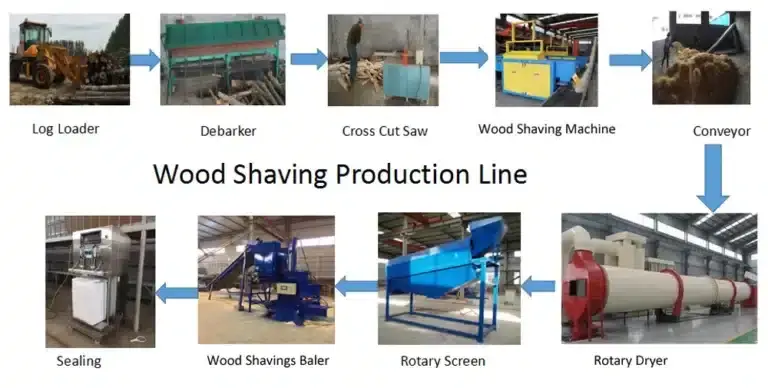
A wood shavings line may include log loader, debarker, cut saw, wood shaving machine, rotary dryer, rotary screen, shavings baler and sealing machine. The final layout depends on log size, moisture, workshop space and packing requirement.
| Equipment | Function |
|---|---|
| Log loader | Feeds logs to the debarker or cutting section. |
| Log debarker | Removes bark when cleaner shavings are required. |
| Log cut saw | Cuts logs to a suitable length for the shaving machine. |
| Wood shaving machine | Shaves prepared wood into thin bedding or packing shavings. |
| Rotary dryer | Reduces moisture when the shavings are too wet for storage or packing. |
| Rotary screen | Removes fines, oversized pieces and residue. |
| Shavings baler | Packs dry shavings into bags or bales. |
| Bag sealing machine | Seals finished packages according to the selected packing method. |
Wood Shaving Machine FAQ
Wood shaving machine FAQ
What materials can a wood shaving machine process?
Clean logs, wood blocks, pallets and waste wood can be processed after nails, metal and hard impurities are removed.
What are wood shavings used for?
They are commonly used for poultry, horse, rabbit and livestock bedding, packing material and some biomass preparation work.
Which model should I choose?
Choose according to wood size, target capacity, shaving thickness, local voltage and daily working hours.
Can the shaving thickness be adjusted?
The reference shaving thickness is about 0.2-1 mm. Adjustment depends on blade and shaft configuration.
Can TCPEL provide a complete wood shavings line?
Yes. TCPEL can combine loading, debarking, cutting, shaving, drying, screening and packing equipment according to project scope.
For a quotation, send wood type, size, moisture, target capacity, shaving thickness, voltage and destination port. Contact TCPEL on WhatsApp.