
QUICK ANSWER
What is a feed pellet production line?
A feed pellet production line is a configured system that turns prepared feed ingredients into finished pellet feed. Its required functions are raw-material receiving, grinding or crushing, conveying, pelletizing through the TCF Series, and electrical/control support. Depending on the formula and project scope, the line may also include dosing, mixing, cooling, screening, fines return, finished-feed storage and packing. TCPEL measures line capacity as nominal finished feed output at the completed line’s discharge point. Each configuration is selected for the confirmed raw materials, feed formula, pellet specification, automation requirement and downstream handling plan.
CONFIGURED FOR THE PROJECT
A complete feed system—not one pelletizer
TCPEL configures animal-feed projects around the required finished-feed result. The TCF Series is the verified pelletizing core, while upstream preparation and downstream handling are matched to the formula and operating plan. A component rating does not define the capacity of the completed line.
Five required functions
- Raw-material receiving
- Grinding or crushing
- Conveying and material transfer
- Pelletizing through the TCF Series
- Electrical and control support
A required function is not a fixed machine model. For example, size reduction is required, but a GXP hammer mill is not a universal default for every formula.
Seven optional modules
- Ingredient dosing
- Mixing
- Cooling
- Screening
- Fines return
- Finished-feed storage
- Packing
These modules are selected only when the formula, pellet condition, packaging plan or workflow requires them.
TYPICAL LINE ARCHITECTURE
Required process with project-matched options
Raw receiving
Grinding / crushing
Conveying
TCF pelletizing
Pellet feed
CAPACITY EXPLAINED
100 kg/h–20 t/h configurable project coverage
TCPEL configures feed pellet production lines across this current project range using FULL_LINE_NOMINAL_FINISHED_FEED_OUTPUT: nominal finished pellet feed measured at the completed line’s discharge point under confirmed project conditions.
Small / entry projects
Configured to the finished-feed target and required functions.
Medium projects
Modules and interfaces are selected for the actual production workflow.
Larger / industrial projects
The final pelletizing configuration follows project engineering and confirmed process conditions.
Actual output depends on the formula, ingredient condition, pellet specification, process configuration, operating conditions, feeding stability, and upstream/downstream balance. TCF machine output, grinding output, SKLN cooled-pellet output, BZ80 bags per hour, mixer batch size and conveyor rate are component metrics—not automatic full-line output.
PELLETIZING CORE
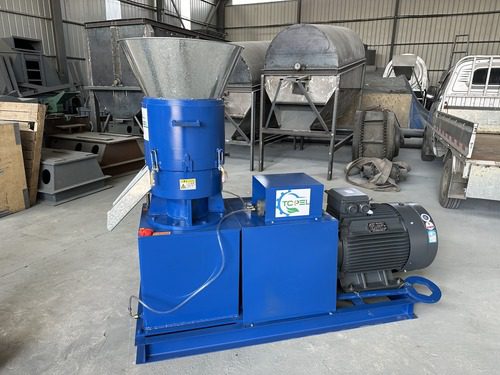
TCF Series feed pellet machines
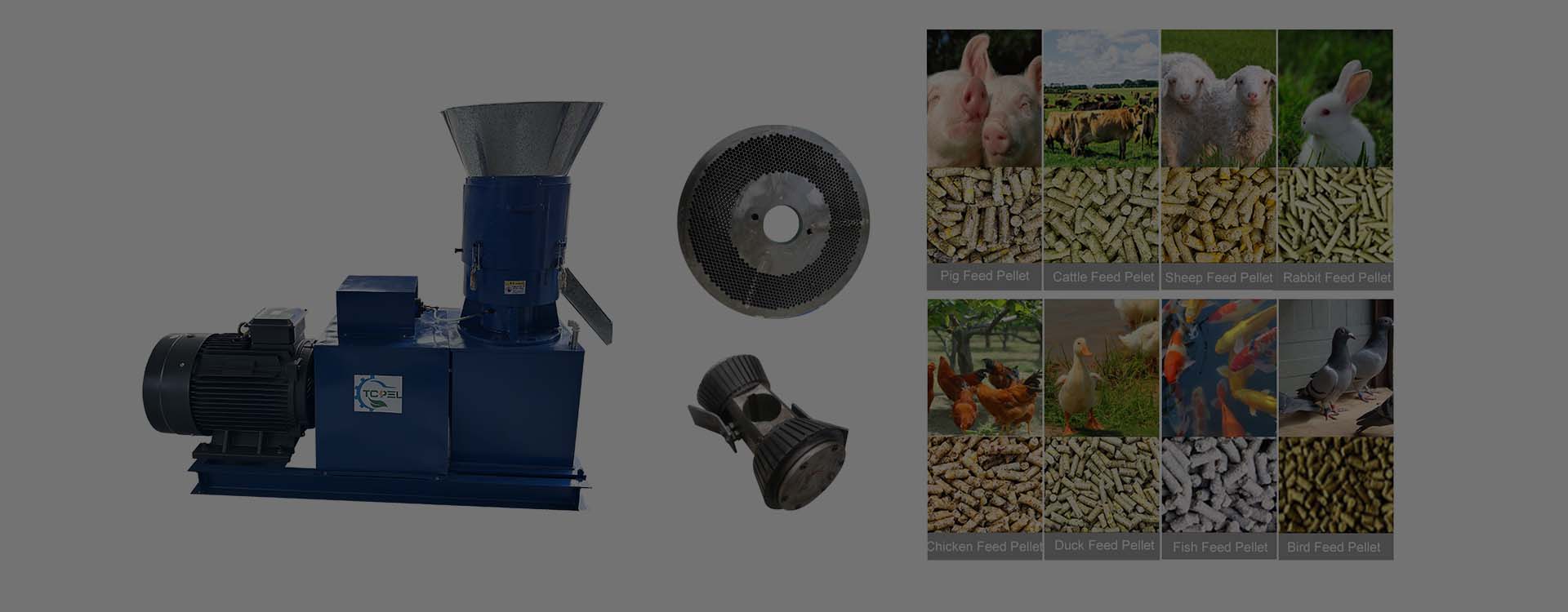
إن TCF Series feed pellet machine is the verified pelletizing core for this line. Model selection is based on the confirmed formula, required output, ordered die, prepared-material condition and operating plan. A TCF component capacity is never presented as complete-line capacity.
When the confirmed feed ingredients require size reduction, TCPEL selects the grinding route from the raw-material condition and target particle size. See the hammer mill family only as a qualified size-reduction reference; GXP is not an automatic feed-line standard.
VERIFIED APPLICATIONS
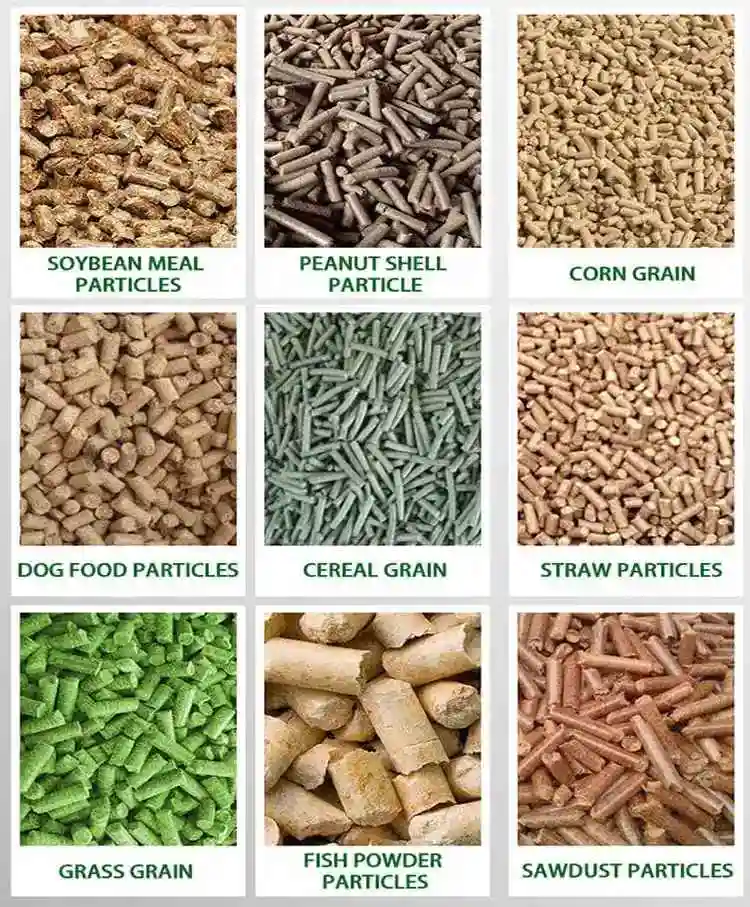
Pellet feed for poultry and livestock
Scope boundary
This page covers finished pellet feed only for the nine verified poultry and livestock applications above. Other finished-product categories require separate technical and commercial verification.
INGREDIENTS AND FORMULA
Configure equipment around a confirmed feed formula
Common examples—depending on the formula and project—include corn, wheat, soybean meal, bran, grain, premix, vitamin or mineral additives, and grass or forage ingredients. This is not a claim that one unchanged line processes all ingredients.
TCPEL does not promise
- A universal feed formula
- A guaranteed nutrition result
- Animal growth or milk-yield outcomes
- A universal feed-conversion ratio
- One process for every ingredient condition
EQUIPMENT AND MODULE SELECTION
Choose each module by its function and interface
| الوظيفة | Status | Current safe route | Capacity boundary |
|---|---|---|---|
| Pelletizing | Required core | TCF Series | Component output ≠ line output |
| Grinding / crushing | Required function | Project configured; no universal GXP default | Grinding rate ≠ line output |
| Mixing | Optional | Project-specific | Batch size ≠ line output |
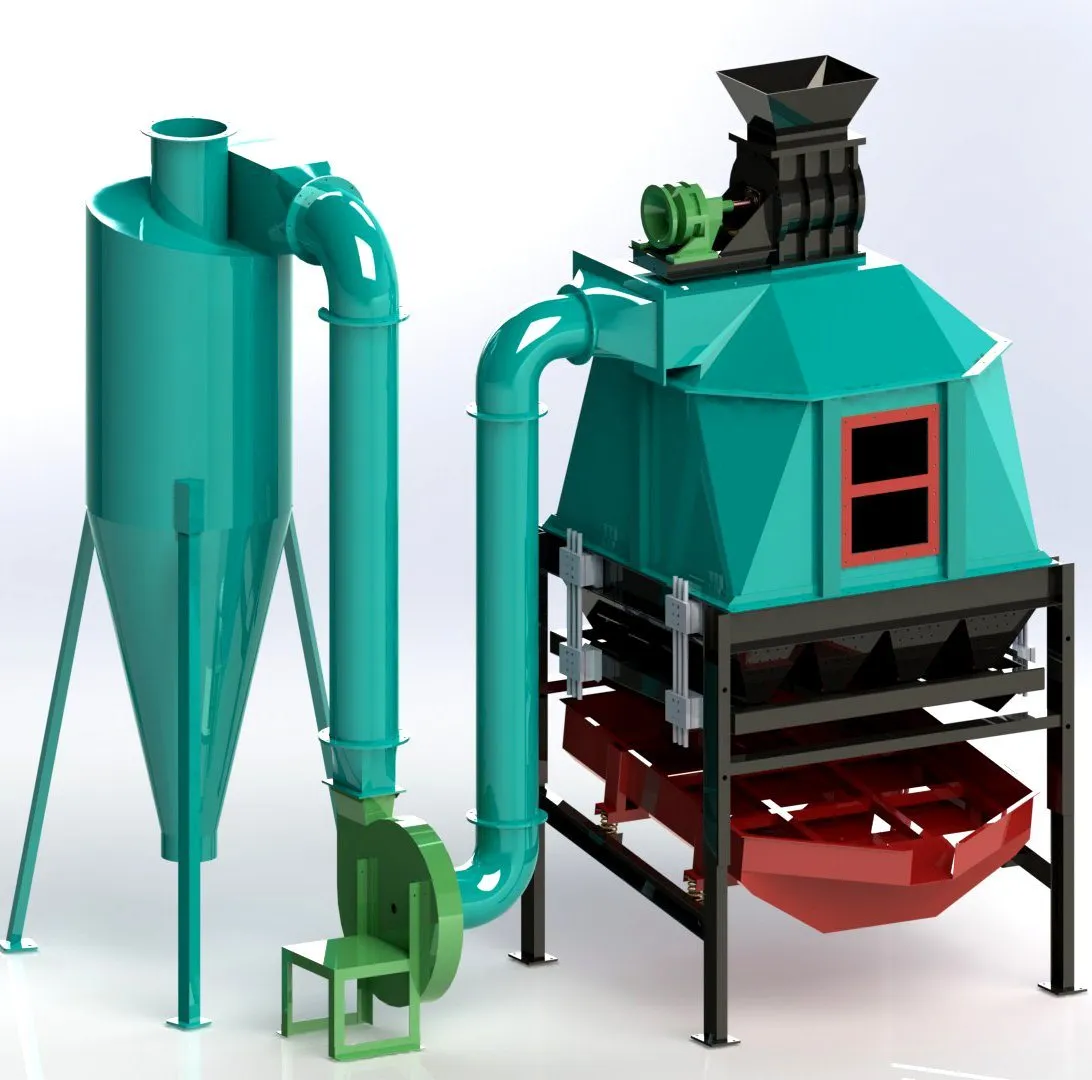
| Cooling | Optional | SKLN pellet cooler | COOLED_PELLET_OUTPUT ≠ line output |
| Screening / fines return | Optional | Function only; no approved universal model | Project-specific |
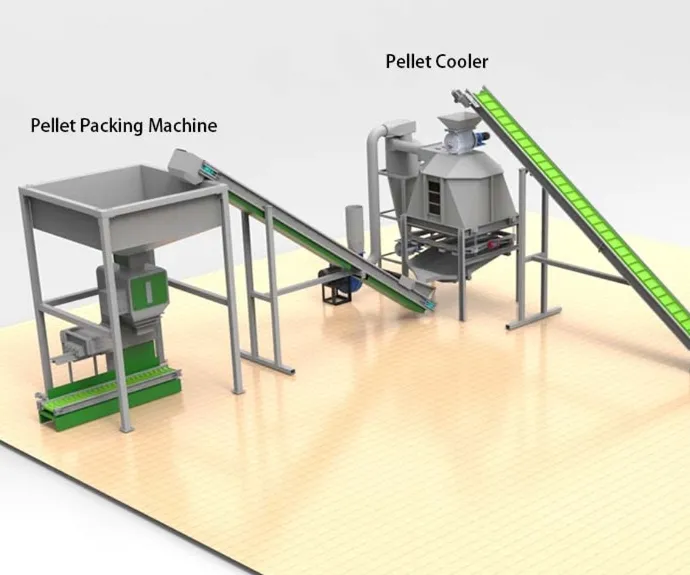
| Packing | Optional | BZ80 small-bag or TC-1000TP ton-bag | Bags/hour ≠ line t/h |
MACHINE VS COMPLETE LINE
Choose the commercial scope before sizing equipment
Standalone feed pellet machine
For buyers who already have correctly prepared and mixed ingredients and the necessary upstream/downstream interfaces. The commercial owner is the TCF machine page.
Complete feed pellet production line
For projects that need connected preparation, pelletizing, handling, control and selected downstream modules. This page is the commercial owner for the complete-line intent.
Wood and agricultural-biomass fuel pellet projects remain a separate product-line intent; this feed page does not reuse fuel-line process claims or evidence.
PROJECT CONFIGURATION
Ten inputs for an initial line recommendation
- Target finished-feed output
- Animal type / feed application
- Raw material / ingredient list
- Whether a confirmed formula is available
- Raw-material form / current particle size
- Raw-material moisture
- Required pellet diameter
- Required automation level
- Packing requirement
- Voltage / frequency / phase
Operating hours, available factory space, existing equipment, project destination, and installation or commissioning requirements can be confirmed during quotation and engineering follow-up.
CONTRACT-DEPENDENT TURNKEY SCOPE
What a TCPEL project can include
- Process design and equipment selection
- Main equipment, conveyors and auxiliaries
- Electrical and control system
- Preliminary layout and technical drawings
- Installation and commissioning guidance
- Operator training
Not automatically included
- Civil works or factory building
- Local utilities
- Permits
- Full EPC responsibility
- All local installation labor
The final project scope is defined by the quotation or contract.
REAL TCPEL EVIDENCE
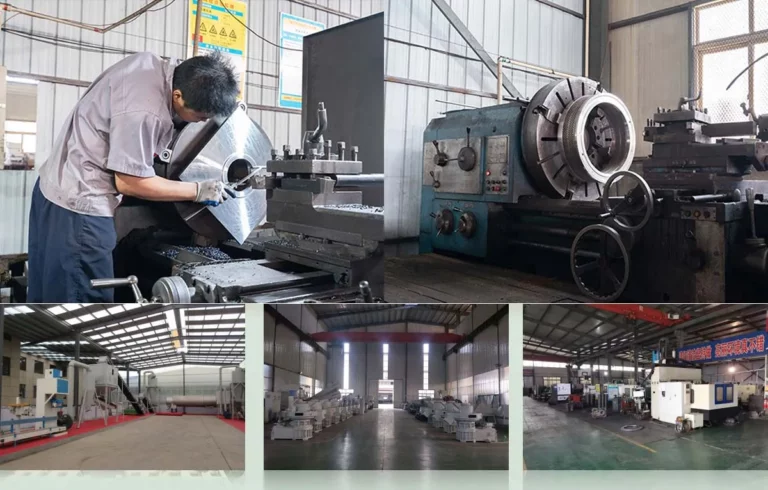
Feed equipment and manufacturing support
RELATED FEED PROJECT ROUTES
Continue with the right owner page
FREQUENTLY ASKED QUESTIONS
Feed pellet production line FAQ
What is a feed pellet production line?
A feed pellet production line is a configured system that converts prepared ingredients into finished pellet feed. It combines required core functions with optional modules selected for the formula, pellet specification, target output and project workflow.
What equipment is required in a feed pellet production line?
The required functions are raw-material receiving, grinding or crushing, conveying, TCF Series pelletizing, and electrical/control support. Dosing, mixing, cooling, screening, fines return, storage and packing are optional rather than universally required.
What is the capacity of a TCPEL feed pellet production line?
Current configurable project coverage is approximately 100 kg/h to 20 t/h of nominal finished feed output. Actual configuration depends on the ingredients, formula, pellet specification, process conditions and project requirements, so this is not a universal guaranteed range.
How is feed production line capacity measured?
TCPEL defines it as full-line nominal finished feed output: nominal finished pellet feed measured at the completed line discharge point under the confirmed project conditions. A pelletizer, cooler or packing machine rating is not automatically the full-line output.
What is the difference between a feed pellet machine and a complete production line?
A feed pellet machine is the pelletizing component. A complete line connects the required upstream, pelletizing and downstream functions, plus the electrical/control interfaces, according to the project scope.
Can one line make poultry, cattle and pig feed pellets?
These are verified TCPEL application categories, but the equipment configuration is selected for the confirmed formula, ingredients and pellet specification. Application support does not mean one unchanged setup is guaranteed for every feed.
What raw materials can be used?
Common verified examples include corn, wheat, soybean meal, bran, grain, premix, vitamin and mineral additives, and grass or forage ingredients. The confirmed formulation determines the process configuration; TCPEL does not claim compatibility with all ingredients or materials.
Is a mixer always required?
No. Mixing is an optional project module. It is included when the formula, dosing workflow and required ingredient uniformity call for it; current mixer model details remain project-specific.
Is cooling always required?
No. Cooling is an optional downstream module selected according to the finished pellet condition and handling plan. Where required, the verified current route is the SKLN Series.
Can TCPEL provide packing equipment?
Yes. Packing can be included as an optional project module. Current routes include the BZ80 for 15–50 kg small bags and the TC-1000TP for ton or jumbo bags; packing-machine metrics are not the line t/h output.
What information is needed for a quotation?
Provide the target finished output, animal or feed application, ingredient list, formula, current material form and particle size, moisture, required pellet diameter, automation level, packing requirement, and voltage, frequency and phase.
What does turnkey include?
Depending on the quotation or contract, TCPEL can include process design, equipment selection, main and auxiliary equipment, electrical and control, preliminary layout, drawings, installation guidance, commissioning support and training. Civil works, buildings, utilities, permits, full EPC responsibility and all local labor are not automatically included.
 العربية
  English
  Español de México
  Bahasa Indonesia
  Français
  Русский
  Português do Brasil
  Italiano