Rotary Dryers for Biomass, Sawdust and Wood Drying

Single-Pass and Three-Pass Rotary Dryers for Commercial Biomass Projects

How to Choose a Rotary Dryer for Biomass or Wood

تخطيط المجفف الدوار-المجفف الدوار

Start with the raw material, initial moisture, target final moisture, wet material feed rate and/or required dry material output, daily operating hours and available heat source.

TCPEL can then review whether a current single-pass or three-pass reference model, a custom project configuration, a standalone dryer or a complete pellet production line is appropriate.

For detailed working principles, read how a rotary dryer works. Compare broader biomass drying technologies, or use the industrial dryer selection guide when evaluating different dryer types.

TCPEL Rotary Dryer Product Family

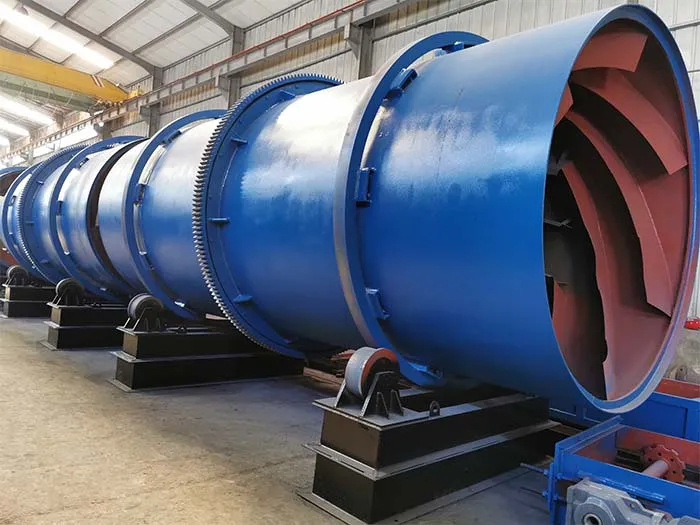
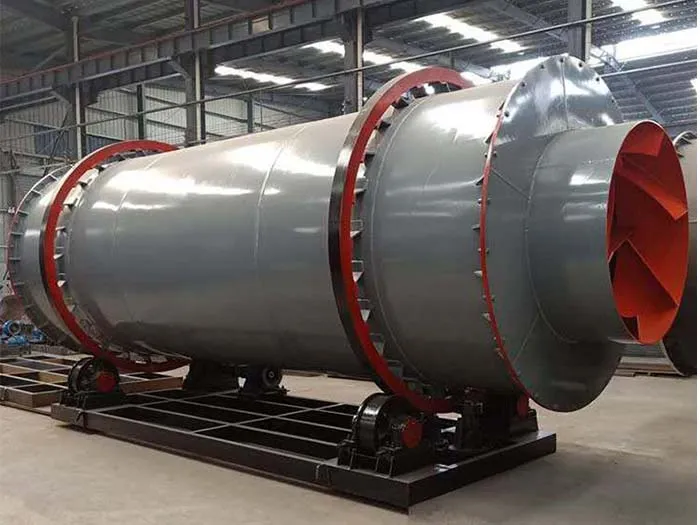
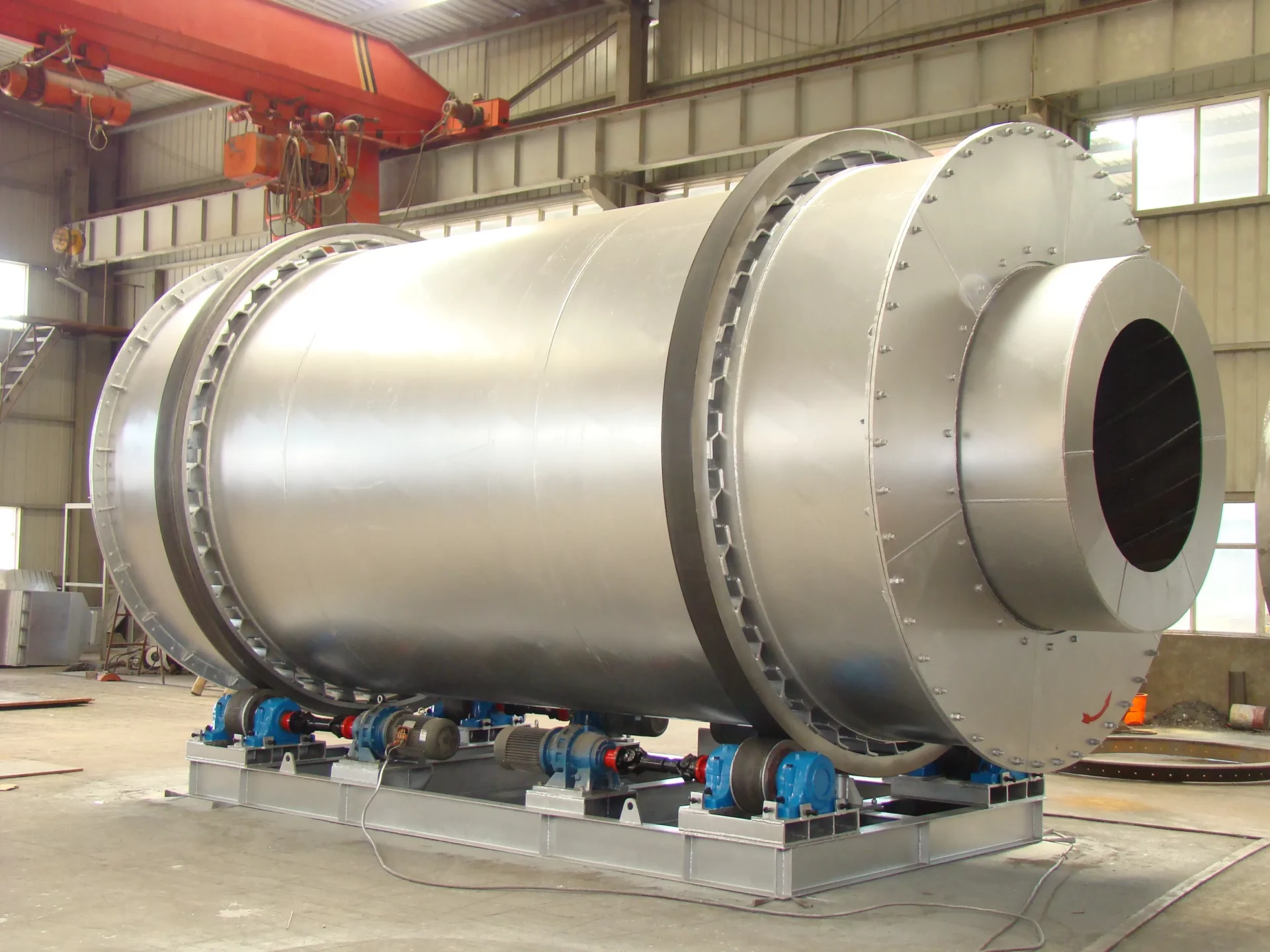
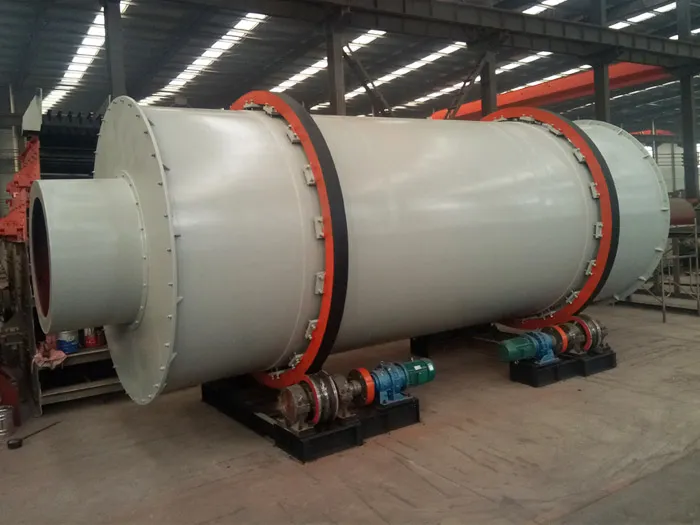
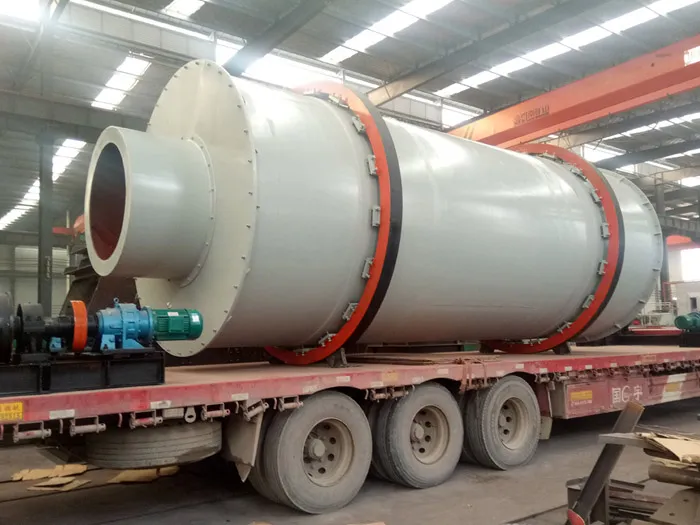
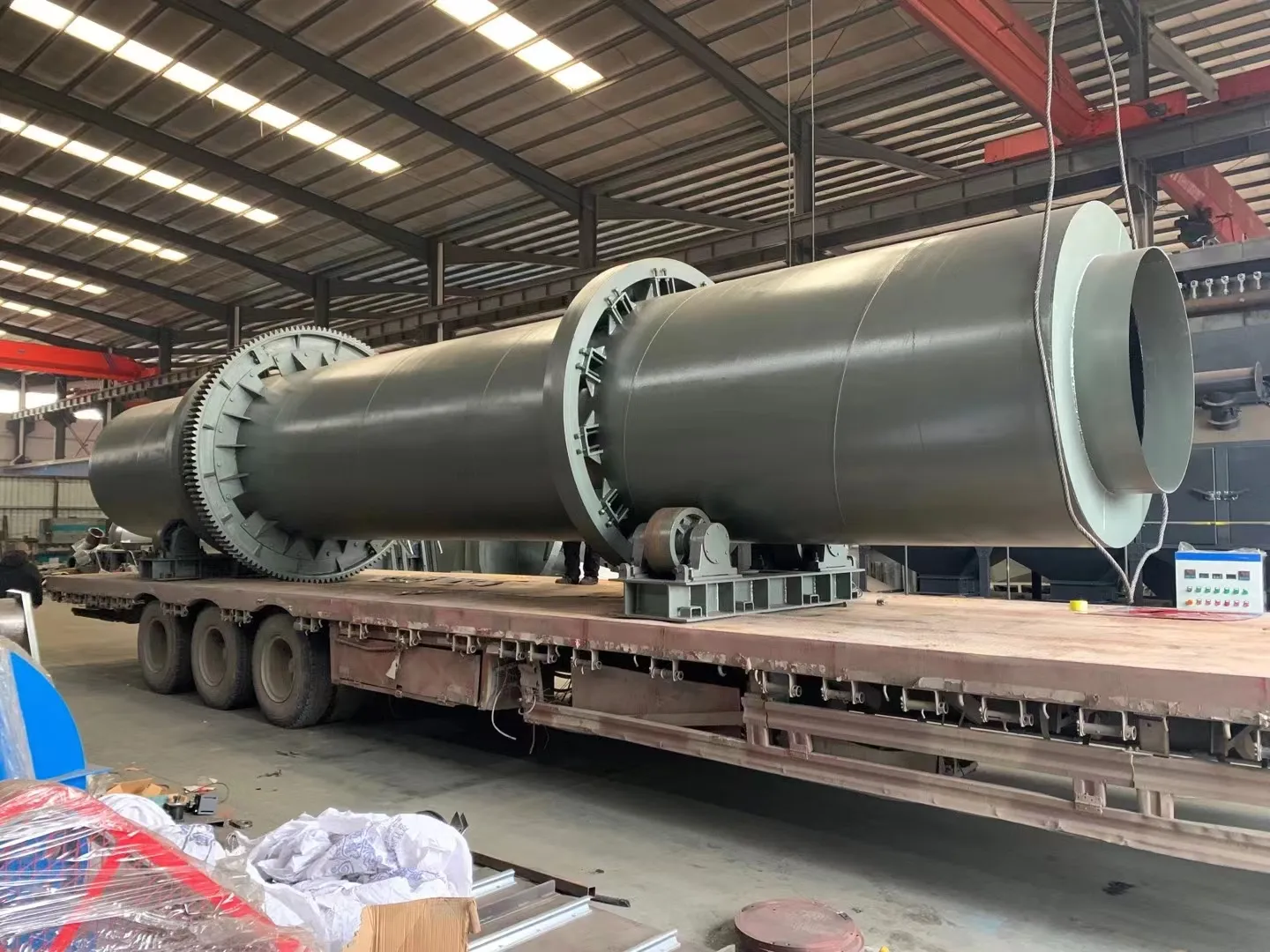
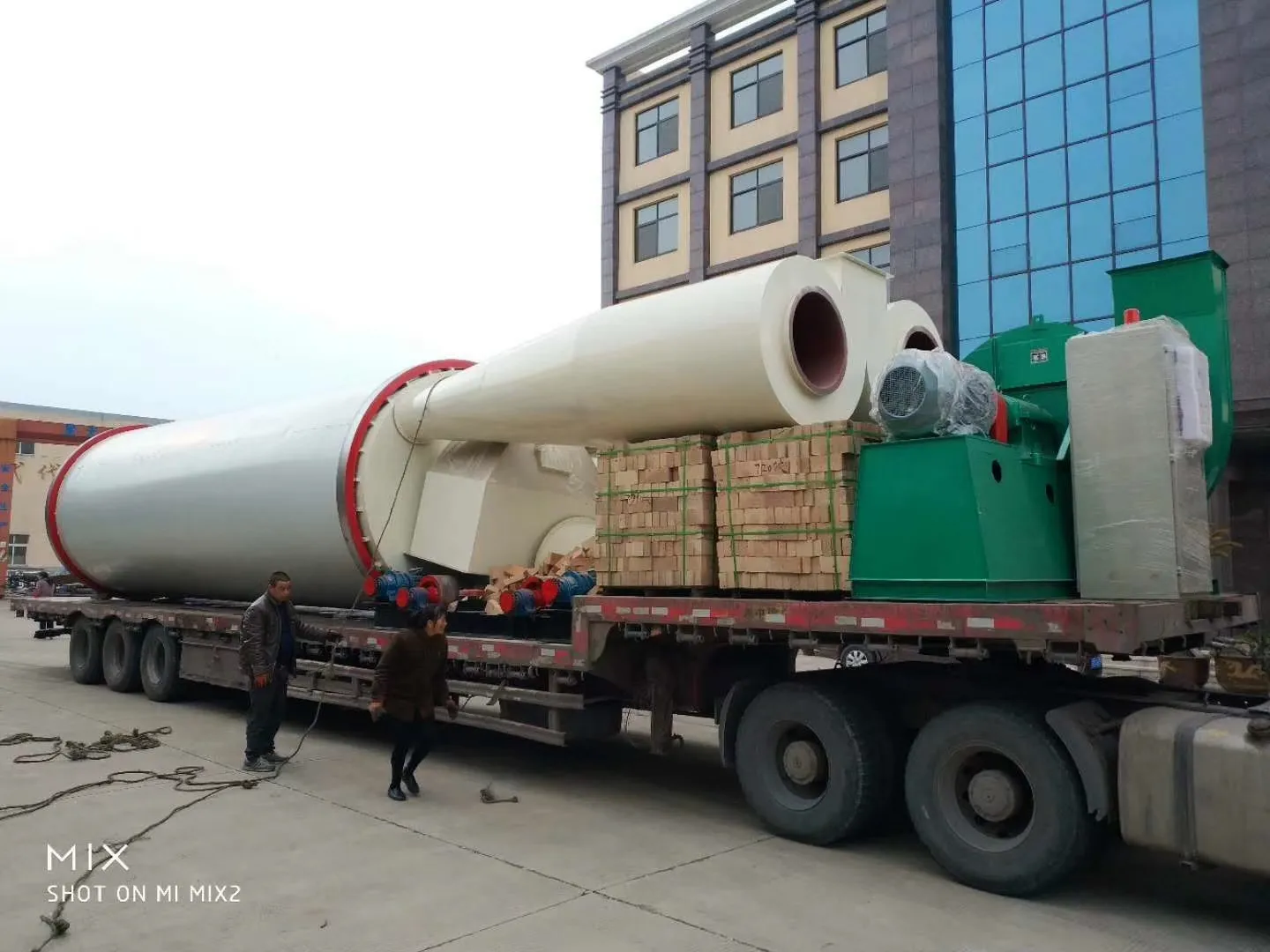
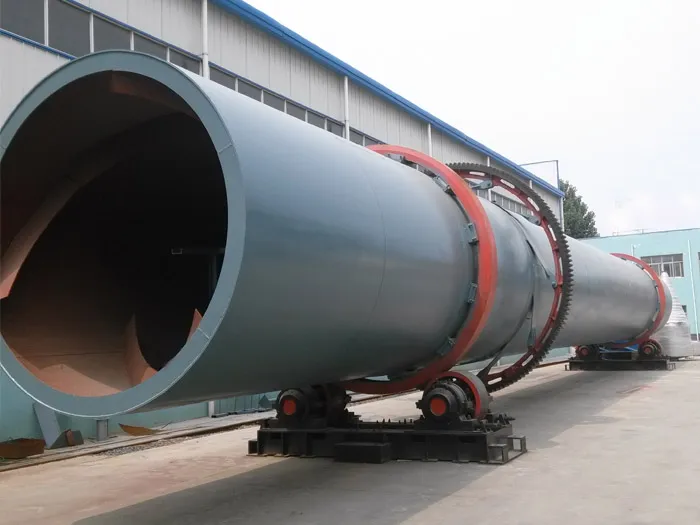
TCPEL supplies single-pass and three-pass rotary dryers for commercial biomass and wood-material drying projects. The current range combines standard TCG and TCSG models with engineered project configurations for wood sawdust, wood chips, straw, bagasse and other confirmed biomass materials. Published model capacity refers to dry material output, while actual dryer selection depends on the raw material, initial moisture, target final moisture, wet feed rate or required dry output, daily working hours, heat source and site conditions. Buyers can compare the current reference configurations below, then confirm whether the project requires a standalone dryer or a complete drying and pellet production line with material preparation, conveying, hot-air generation, dust collection and downstream equipment.

Quick Answer: How Do I Choose a Rotary Dryer for Biomass or Wood?

Choose a rotary dryer by first defining the raw material, initial moisture, target final moisture, wet feed rate or required dry material output, daily working hours and available heat source. TCPEL currently offers single-pass TCG dryers and three-pass TCSG dryers as standard reference configurations, with custom engineering available for project-specific requirements. Capacity in the model tables means dry material output; theoretical water evaporation is listed separately for three-pass models. The final family and configuration should be confirmed against the material behavior, site layout, operating conditions and whether the dryer will run alone or within a complete pellet production line.

Current Single-Pass and Three-Pass Rotary Dryer Models

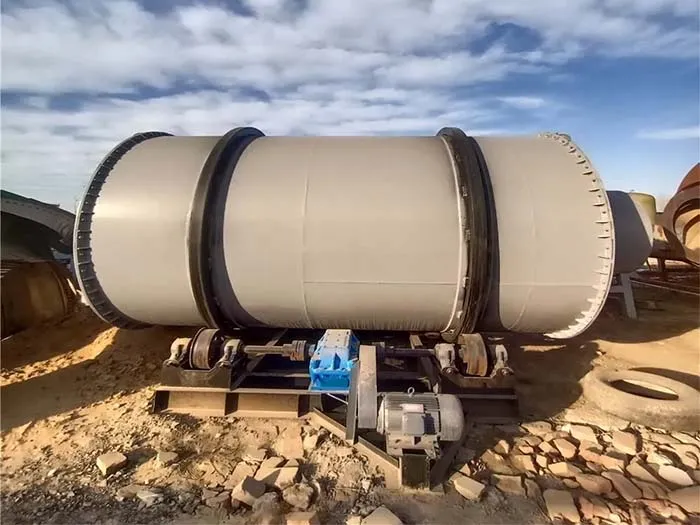
TCPEL currently provides two rotary dryer families. The following values are current reference configuration data. Actual dryer configuration is selected according to the raw material, initial and target moisture, required dry output, heat source and operating conditions.

Single-Pass Rotary Dryer Models

الطرازDrum SizeDry Material OutputInitial Moisture*Final Moisture*Hot-Air Inlet Temperature*Emission Temperature*Fan Power
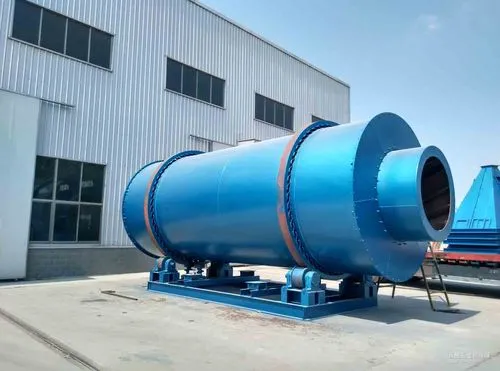
TCG-10Ø1200 × 11000 mm1 t/h50%10%550°C70°C15 kW
TCG-20Ø1500 × 14000 mm2 t/h50%10%550°C70°C18.5 kW
TCG-30Ø1800 × 16000 mm3 t/h50%10%550°C70°C22 kW

* Reference configuration data for the current TCG models. The values are not a universal guarantee for every raw material, heat source or project.

Three-Pass Rotary Dryer Models

الطرازDryer Main SizeDry Material OutputInitial Moisture*Final Moisture*Theoretical Water EvaporationDrive PowerFan Power
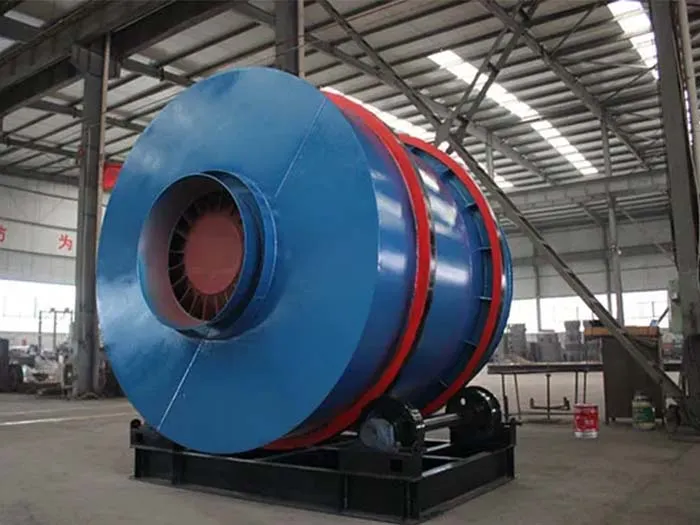
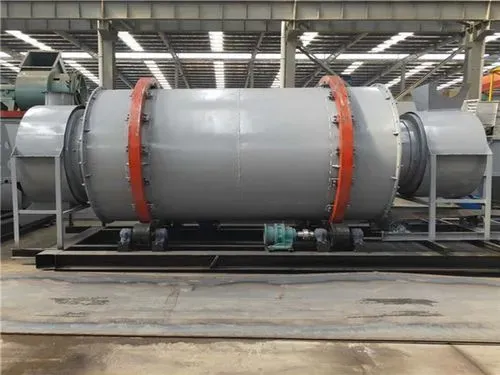
TCSG10Ø2000 × 5840 mm1 t/h50%15%700 kg/h8 kW15 kW
TCSG20Ø2300 × 7340 mm2 t/h50%15%1400 kg/h11 kW22 kW
TCSG30Ø2400 × 10460 mm3 t/h50%15%2100 kg/h16 kW45 kW
TCSG40Ø2800 × 10460 mm4 t/h50%15%2800 kg/h16 kW55 kW
TCSG50Ø2950 × 12420 mm5 t/h50%15%3500 kg/h22 kW75 kW
TCSG60Ø3300 × 12420 mm6 t/h50%15%4200 kg/h22 kW90 kW

* Reference configuration data for the current TCSG models. Dry material output and theoretical water evaporation are separate parameters. No universal hot-air inlet temperature is stated for the TCSG family.

Rotary Dryer Project Selection and System Scope

TCPEL rotary dryer projects combine current standard models with custom engineered configurations. Final selection should be based on the actual material and operating conditions rather than a keyword or a single generic capacity claim.

Rotary Dryer Selection Logic

  1. Raw material: identify the prepared biomass or wood material.
  2. Initial moisture: measure the incoming material condition.
  3. Target final moisture: define the required condition after drying.
  4. Required dry material output: confirm the target in t/h. Wet feed rate should also be provided when available.
  5. Daily operating hours: define the planned production schedule.
  6. Heat source: confirm the available project energy source.
  7. Dryer family: review the single-pass or three-pass reference configuration.
  8. Project scope: select a standard model or custom configuration, then confirm a standalone dryer or complete line.

Decision path: Raw Material → Initial Moisture → Target Final Moisture → Required Dry Material Output → Daily Operating Hours → Heat Source → Single-pass / Three-pass → Standard Model / Custom Configuration → Standalone Dryer / Complete Pellet Line.

Verified Biomass and Wood Applications

The current rotary dryer family supports wood sawdust, wood chips, sawdust or wood residues, straw, bagasse and other biomass materials. Suitability remains project-specific and should be confirmed against the actual material and moisture conditions.

Supported Heat Sources

Current supported options include a biomass hot-air furnace, natural gas, diesel and coal. Other heat sources require project-specific confirmation.

Standalone Rotary Dryer or Complete Pellet Line?

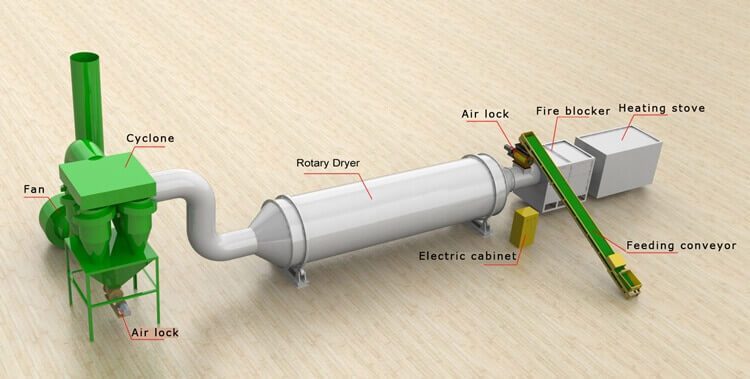
A standalone dryer can be evaluated when the buyer already has suitable material preparation, feeding, heat generation, dust collection and discharge equipment. A complete project may also require a drum chipper for wood-chip preparation, a hammer mill for material preparation, conveying, a hot-air furnace, dust collection, a ماكينة الحبيبات الخشبية, a مبرد الحبيبات and a ماكينة تعبئة الحبيبات. Review the complete pellet production line when these processes must be engineered together.

Rotary Dryer FAQ

What information is needed to size a rotary dryer?

Provide the raw material, initial moisture, target final moisture, wet material feed rate and/or required dry material output, daily working hours, heat source and site conditions.

What does rotary dryer capacity mean?

In the current TCPEL model tables, capacity means dry material output in t/h. Theoretical water evaporation is a separate parameter for the three-pass TCSG models.

What materials can TCPEL rotary dryers process?

Current verified series-level applications include wood sawdust, wood chips, sawdust or wood residues, straw, bagasse and other biomass materials.

What is the difference between single-pass and three-pass rotary dryers?

They are separate current equipment families with different reference tables. Final selection depends on the material, moisture, required dry output, heat source, site and project configuration.

Can the heat source be customized?

Supported options include a biomass hot-air furnace, natural gas, diesel and coal. Other options require project-specific confirmation.

When should a dryer be included in a pellet production line?

A dryer should be evaluated when incoming material must reach the target moisture before pelletizing and the project also needs coordinated preparation, conveying, heating, dust collection or downstream equipment.

Project Input Checklist

Send the raw material, initial moisture, target moisture, wet feed rate if available, required dry material output, daily working hours, preferred heat source, power supply, site or layout information and whether the project needs a standalone dryer or a complete line. Request a rotary dryer configuration after these inputs are available.

Single-Pass vs Three-Pass Project Configuration

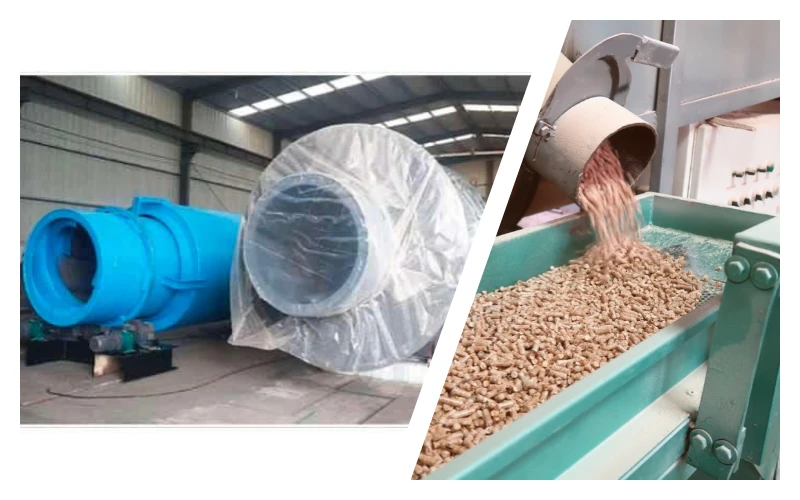
TCPEL currently provides both single-pass and three-pass rotary dryer families. They are separate current configurations, and neither should be selected from a generic efficiency, footprint or material claim. The final family is reviewed using the raw material, moisture conditions, required dry output, heat source, site and complete project scope.
Use how a rotary dryer works for technical principles, compare biomass drying technologies for multi-technology research, or read the industrial dryer selection guide when comparing dryer categories.
Verified Biomass Applications and Related Dryer Guides

The current TCPEL rotary dryer family supports wood sawdust, wood chips, sawdust or wood residues, straw, bagasse and other biomass materials. Final suitability is confirmed for the actual raw material, moisture conditions, required dry output, heat source and project configuration.

Broader Dryer Technology Guides

The existing guide links below discuss wider dryer technologies and industries. They are informational resources and do not expand the verified application scope of the current TCPEL rotary dryer product family.

مجفف الرمال عبارة عن آلة مصممة لإزالة الرطوبة من الرمال، مما يعزز قابليتها للاستخدام في البناء والتصنيع. من خلال استخدام الحرارة وتدفق الهواء، فإنه يقلل من محتوى الرطوبة بكفاءة، مما يجعل الرمل مناسبًا لمختلف التطبيقات مثل إنتاج الخرسانة وعمليات المسابك.


مجفف الأسمنت عبارة عن معدات متخصصة تُستخدم لتقليل الرطوبة في مواد الأسمنت، مما يعزز جودتها وأدائها. ومن خلال استخدام الحرارة وتدفق الهواء المتحكم فيه، فإنه يقلل من محتوى الرطوبة بكفاءة، مما يضمن استقرار وقوة منتج الأسمنت النهائي لأغراض البناء.

مجفف الكتلة الحيوية هو آلة حيوية لمعالجة المواد العضوية مثل رقائق الخشب والمخلفات الزراعية والمواد الأولية للطاقة الحيوية. ومن خلال الاستفادة من الحرارة وتدفق الهواء، فإنه يقلل من محتوى الرطوبة، مما يؤدي إلى تحسين كفاءة الاحتراق وتسهيل إنتاج الطاقة الحيوية. وهي تلعب دوراً حاسماً في ممارسات الطاقة المستدامة والحد من النفايات.

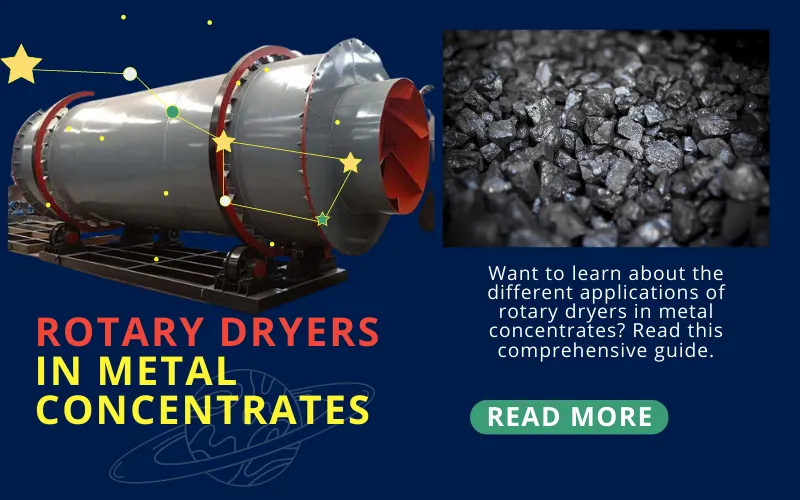
تؤدي المجففات الدوارة دورًا محوريًا في صناعة المعادن من خلال تجفيف مركزات المعادن بكفاءة قبل إجراء المزيد من المعالجة. ومن خلال التخلص من الرطوبة، تعمل هذه المجففات على تعزيز كفاءة الطاقة وتقليل تكاليف النقل وتحسين جودة المنتجات المعدنية. ولا غنى عنها في تحسين العمليات المعدنية لمختلف الصناعات.

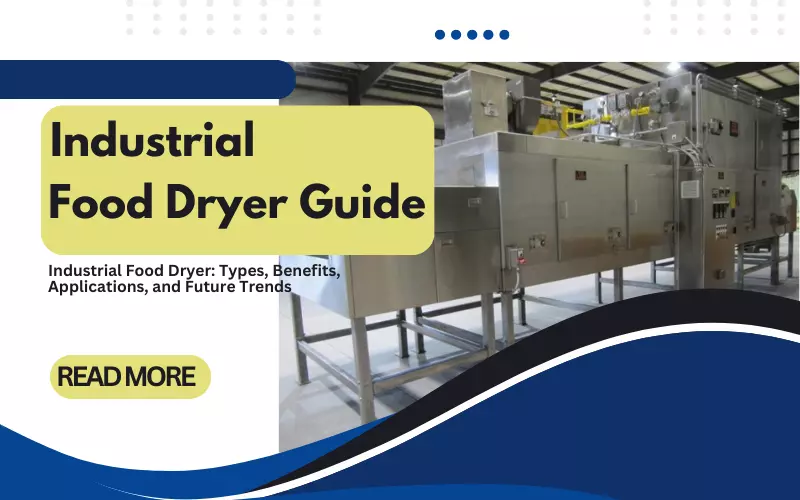
يُعد المجفف الدوار الصناعي للأغذية الصناعية من المعدات المهمة في قطاع تجهيز الأغذية، حيث يعمل على إزالة الرطوبة من المنتجات الغذائية المختلفة مثل التوابل والمكسرات وحبوب القهوة بشكل فعال. ومن خلال استخدام الحرارة وتدفق الهواء الخاضع للتحكم، فإنه يطيل من عمر التخزين، ويمنع نمو الميكروبات، ويحافظ على نكهات وقوام المنتجات الغذائية النهائية.

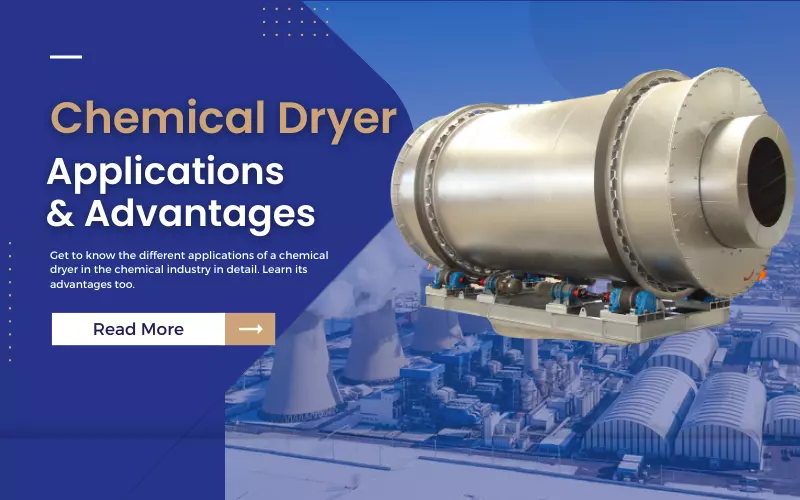
يُعد المجفف الكيميائي الدوار أداة أساسية في الصناعة الكيميائية، حيث يعمل على تجفيف مجموعة من المواد الكيميائية بكفاءة، بما في ذلك الأسمدة والأصباغ والمحفزات. ومن خلال استخدام الحرارة الدقيقة وظروف التجفيف التي يتم التحكم فيها بدقة، فإنه يمنع التفاعلات غير المرغوب فيها، ويضمن جودة المنتج، ويساهم في الكفاءة الكلية للعمليات الكيميائية.

A bamboo powder rotary dryer helps reduce moisture before storage, fuel preparation or pellet production. The system should be selected according to powder size, inlet moisture, final moisture and dust collection requirements.

In agricultural material drying, a rotary dryer can process grains, crop residues, fibers or other bulk materials when temperature, airflow and retention time are matched to the product requirement.

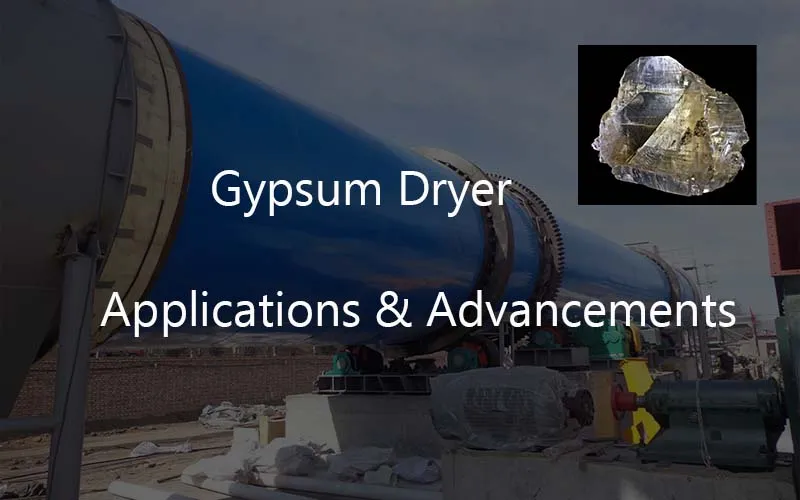
يعتبر مجفف الجبس جزءًا لا يتجزأ من معالجة الجبس، مما يقلل من الرطوبة ويعزز قابلية الاستخدام. وباستخدام الهواء الساخن، فإنه يزيل الماء الزائد بكفاءة، مما يمنع التكتل ويحسن التخزين والنقل. تعطي التصميمات الحديثة الأولوية لكفاءة الطاقة، مما يساهم في توفير منتجات جبس عالية الجودة وفعالة من حيث التكلفة للبناء والتصنيع.

Rotary Dryer Wear Parts and Maintenance Planning

Rotary dryer wear parts should be inspected and maintained according to the processed material, operating conditions, alignment, lubrication requirements and the applicable machine documentation. Replacement decisions should follow actual wear condition rather than a universal lifetime claim.

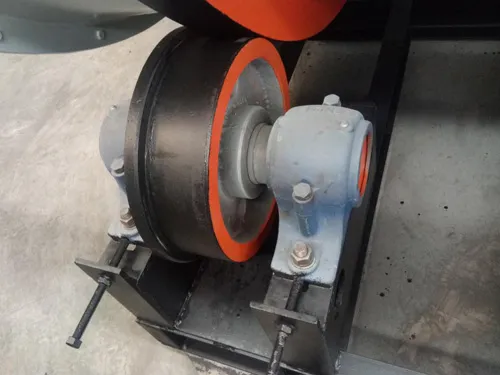
rotary dryer tug

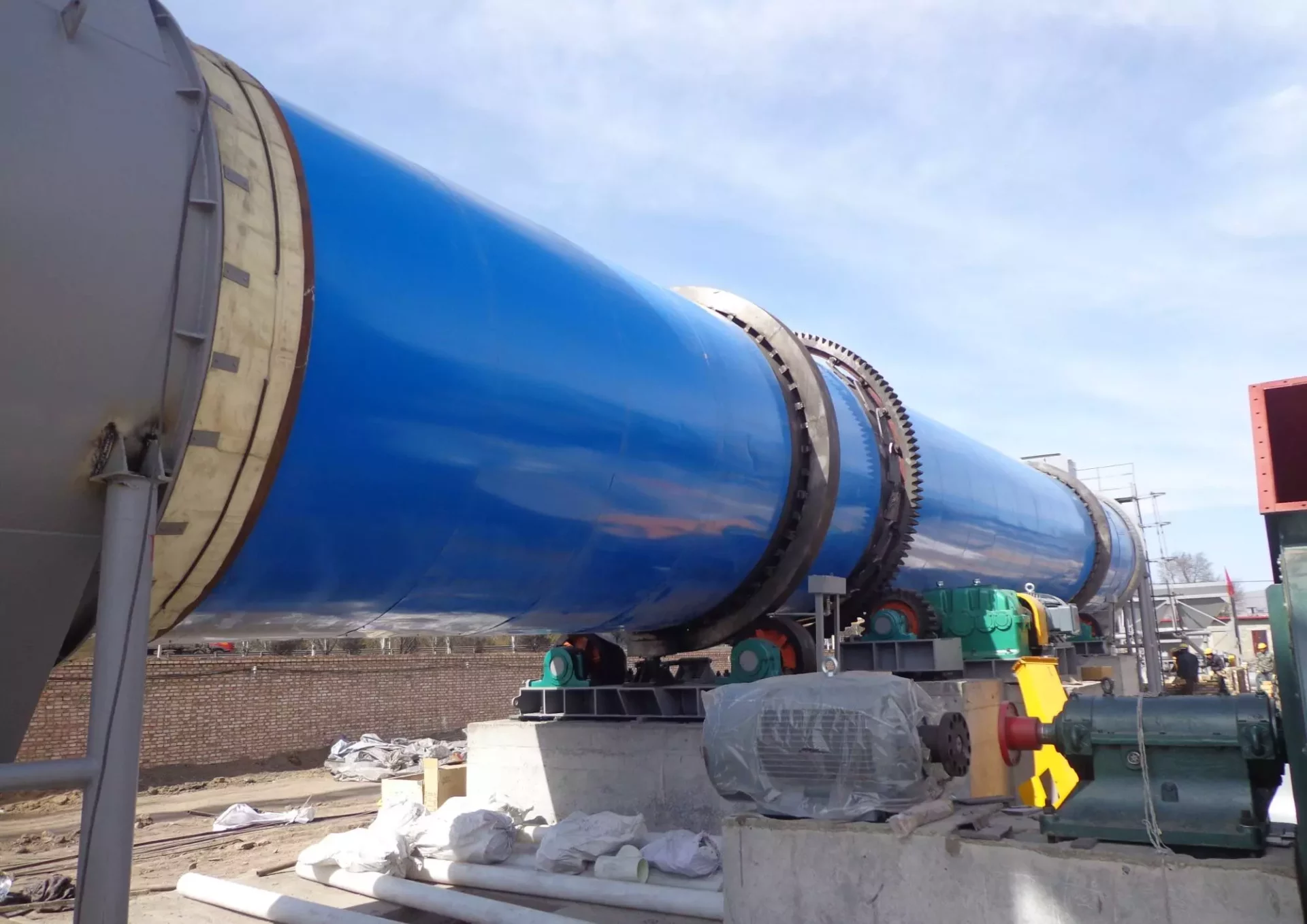
Inspect the tug or support roller for surface wear, alignment, lubrication condition and stable contact with the support ring. Maintenance and replacement depend on the actual load and operating condition.

ترس حلقة مجفف الأسطوانة الدوارة

Inspect the ring gear and support ring for alignment, tooth or surface wear, lubrication and abnormal vibration. Service decisions should be based on the current machine condition and maintenance documentation.

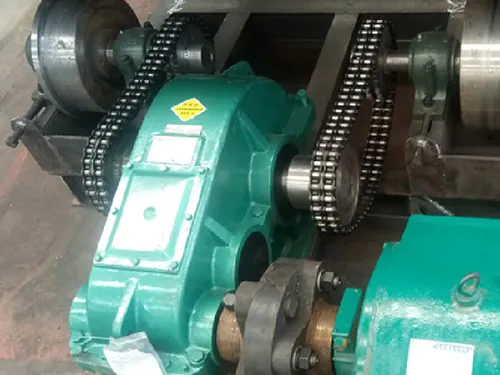
سلسلة محرك ماكينة التجفيف الأسطوانية الدوارة

Inspect the drive chain or coupling arrangement for alignment, tension, lubrication, fastener condition and abnormal noise. The installed drive configuration should be confirmed for the specific dryer.

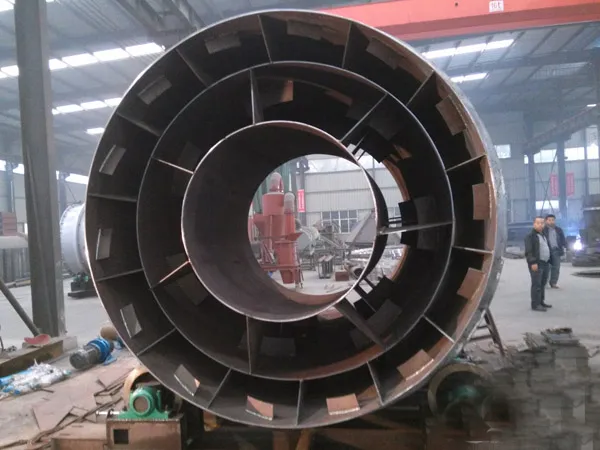
لوحة الرفع داخل المجفف

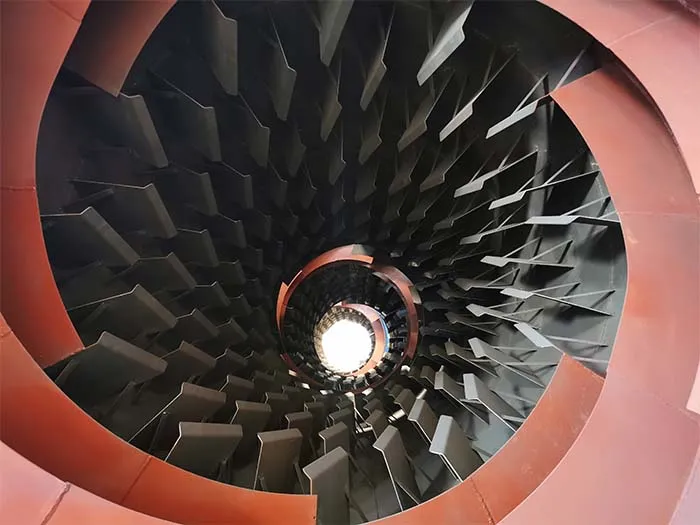
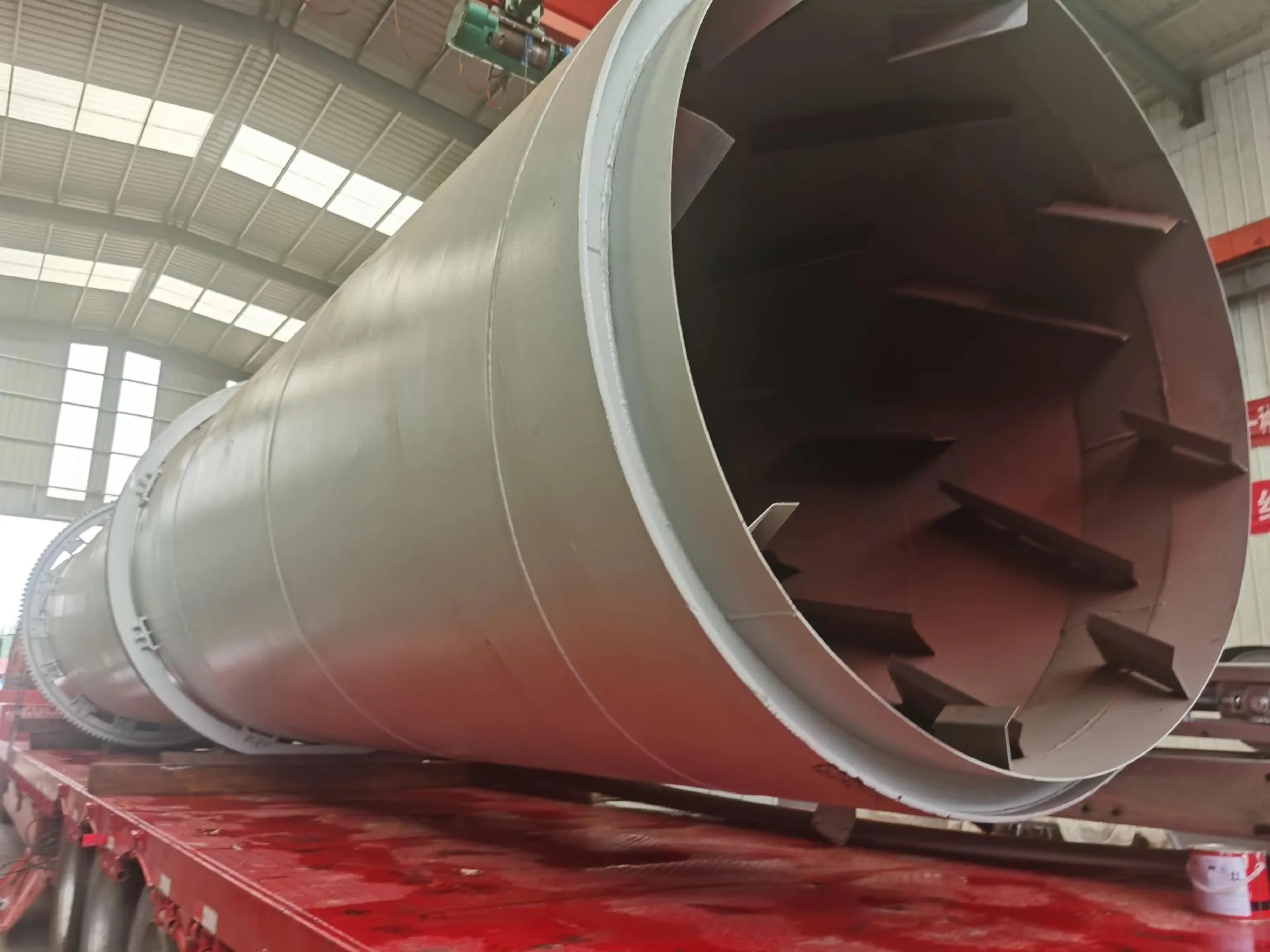
Inspect the drum and lifting plates for deformation, cracking, weld condition, material buildup and wear. The inspection focus depends on the processed material and operating conditions.

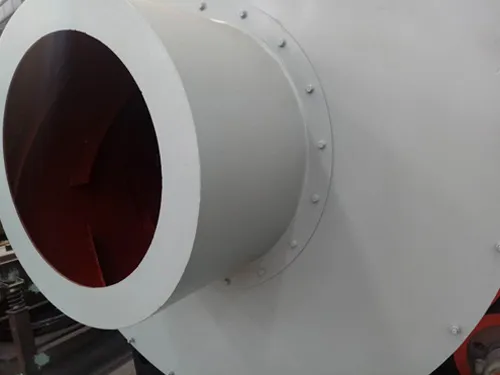
رأس مدخل المجفف الدوار

Inspect the inlet head and feed connection for heat-related wear, sealing condition, material buildup and structural damage. Replacement should follow the observed condition and the applicable maintenance plan.

تحدث إلى خبير

اتصل بنا
arالعربية