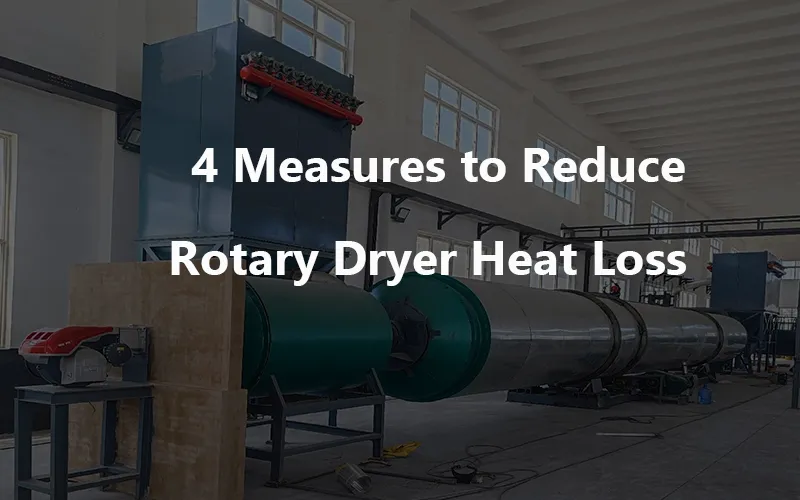
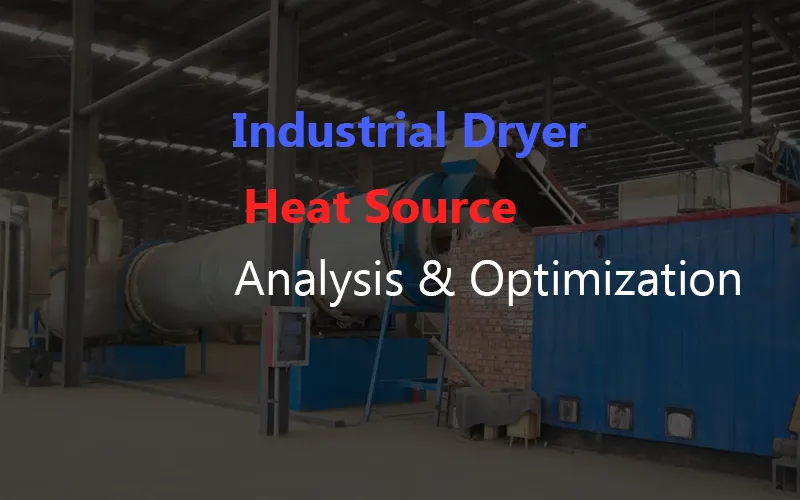
Rotary Dryers for Biomass, Sawdust and Wood Drying
Single-Pass and Three-Pass Rotary Dryers for Commercial Biomass Projects
How to Choose a Rotary Dryer for Biomass or Wood

Start with the raw material, initial moisture, target final moisture, wet material feed rate and/or required dry material output, daily operating hours and available heat source.
TCPEL can then review whether a current single-pass or three-pass reference model, a custom project configuration, a standalone dryer or a complete pellet production line is appropriate.
For detailed working principles, read how a rotary dryer works. Compare broader biomass drying technologies, or use the industrial dryer selection guide when evaluating different dryer types.
TCPEL Rotary Dryer Product Family
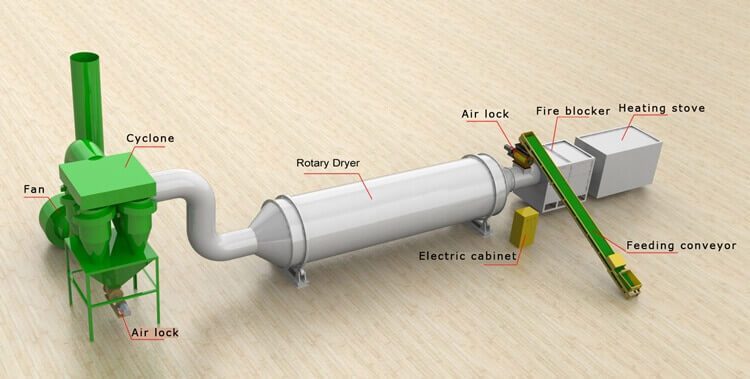
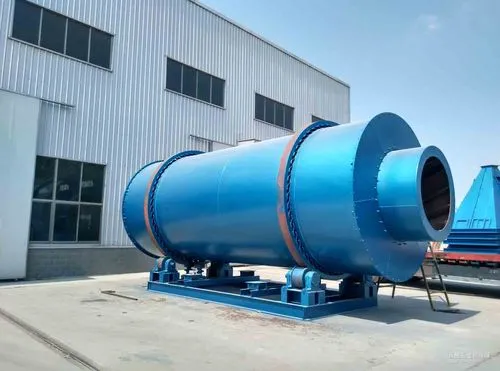
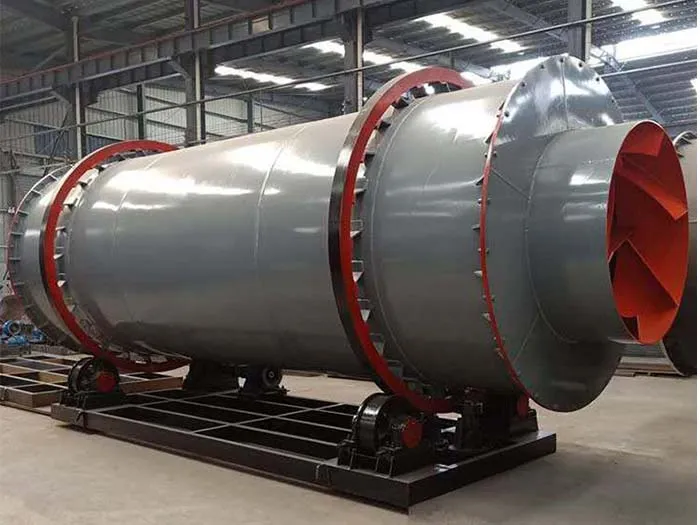
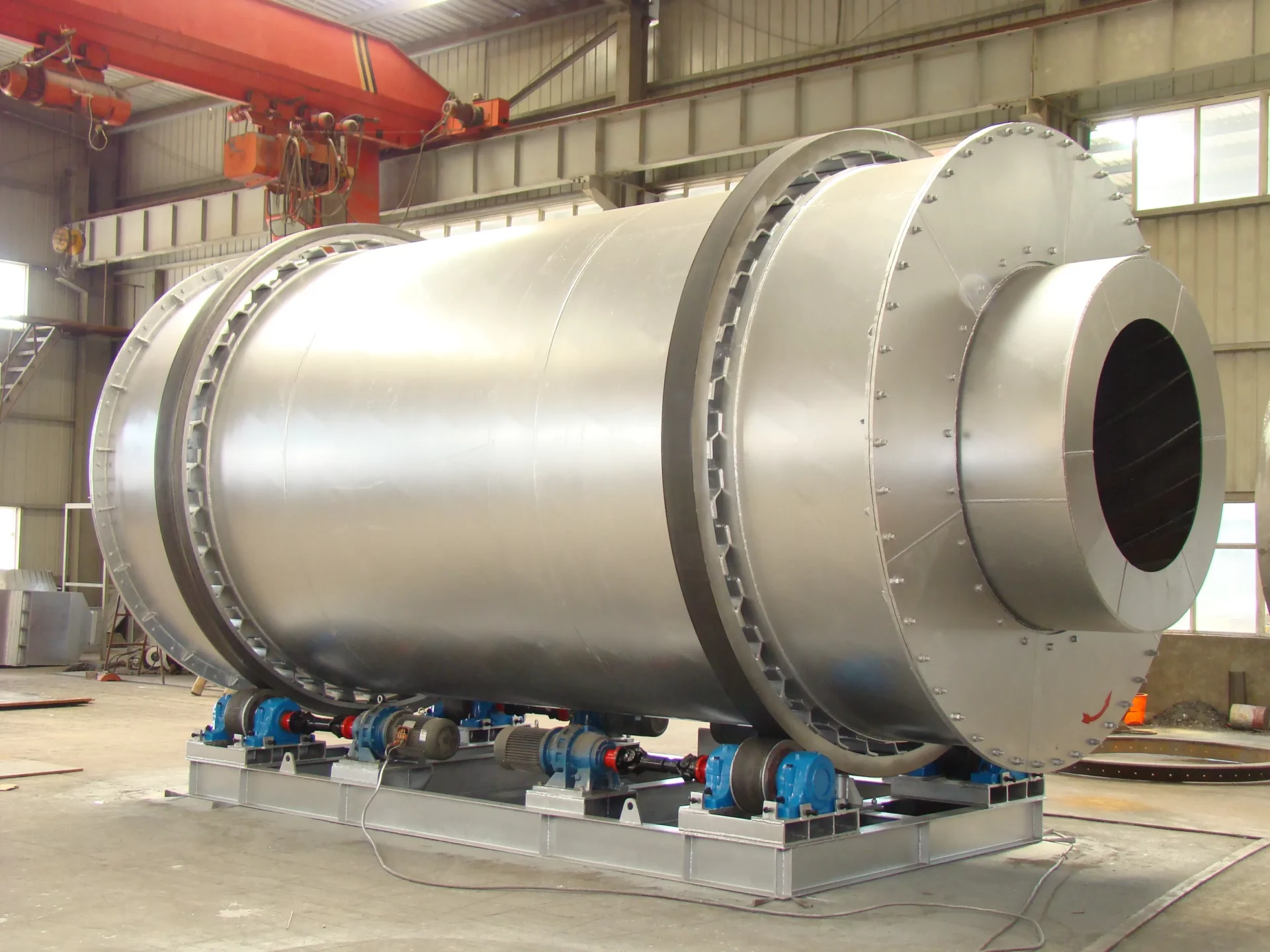
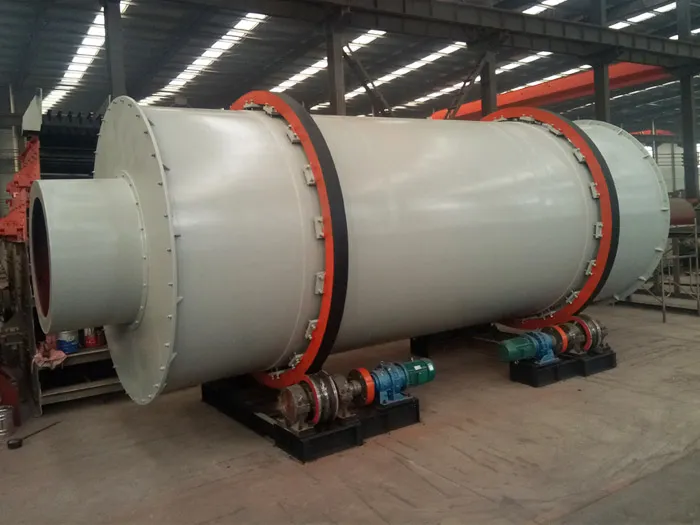
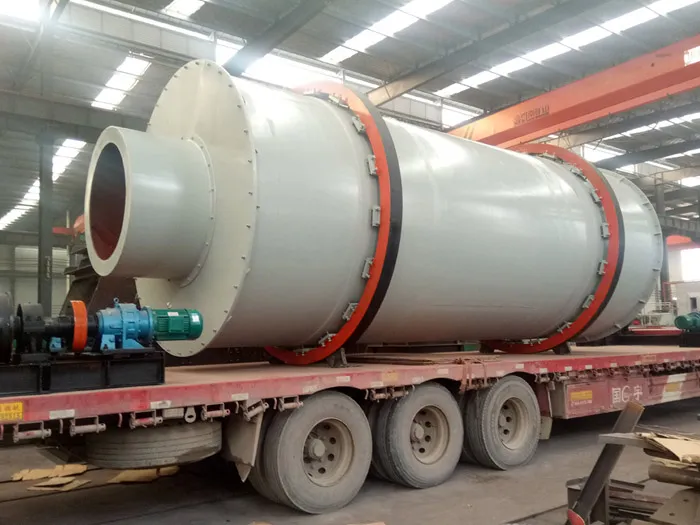
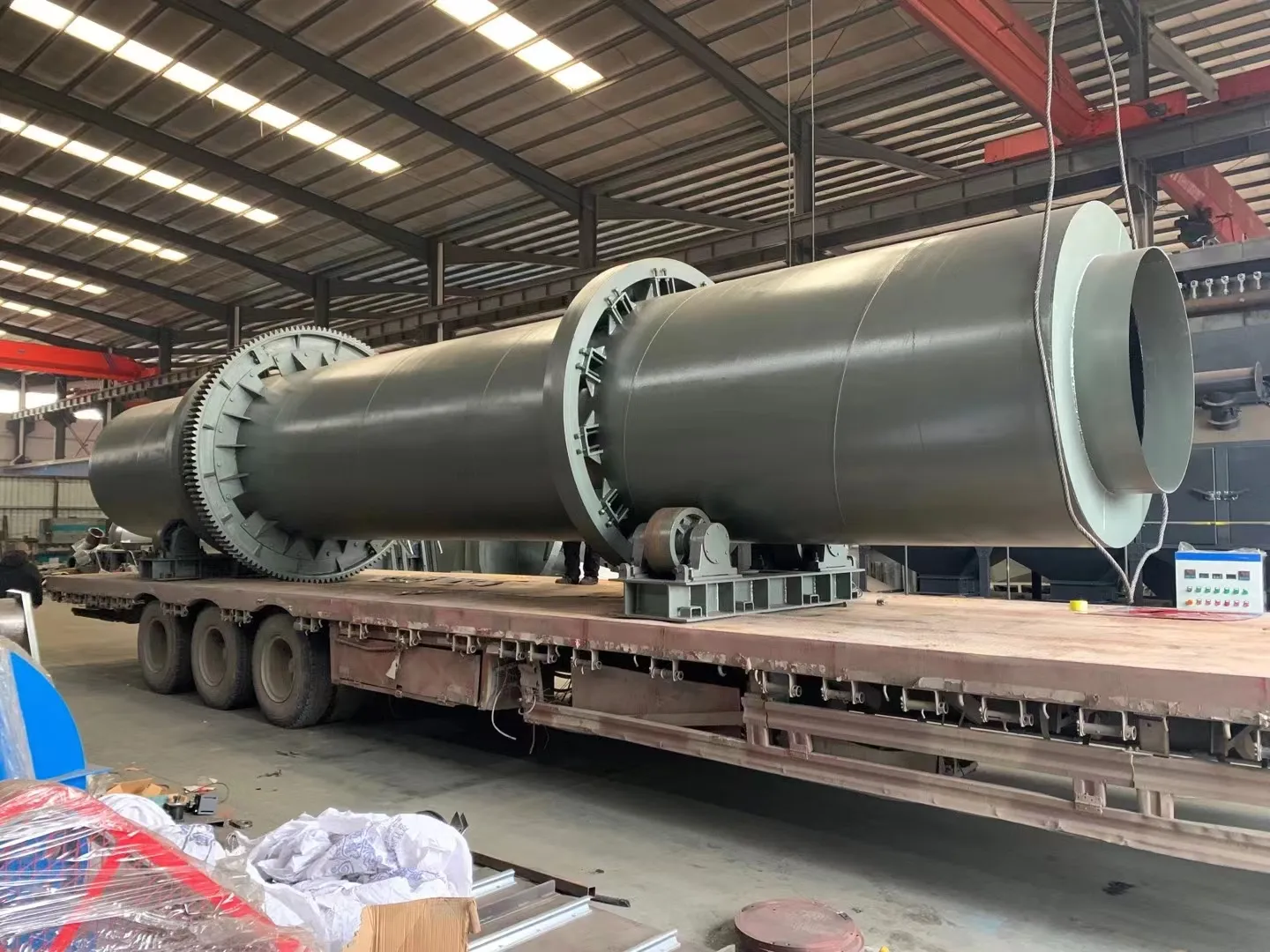
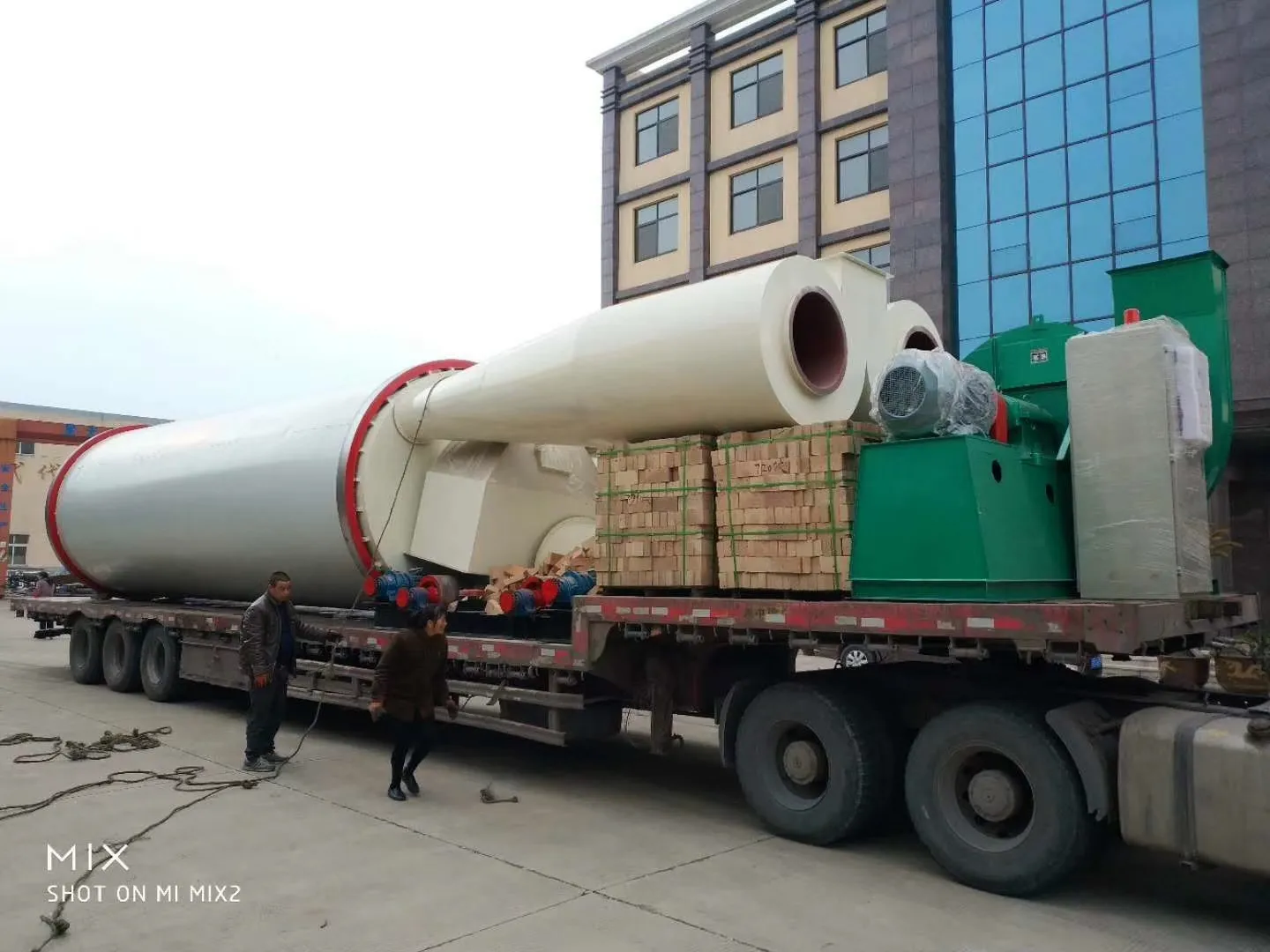
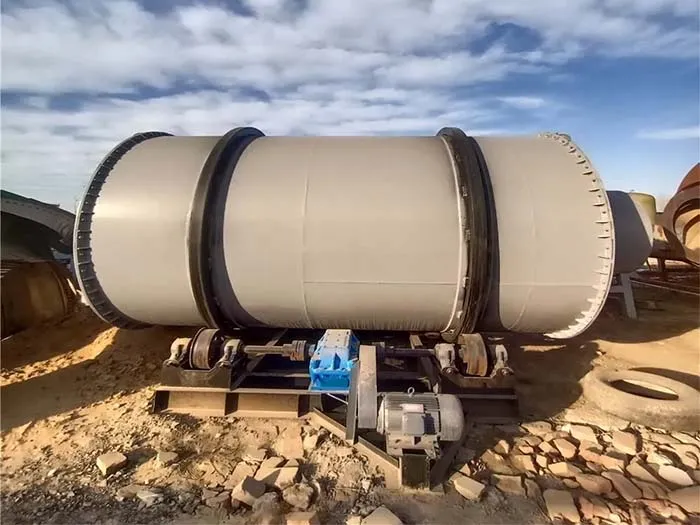
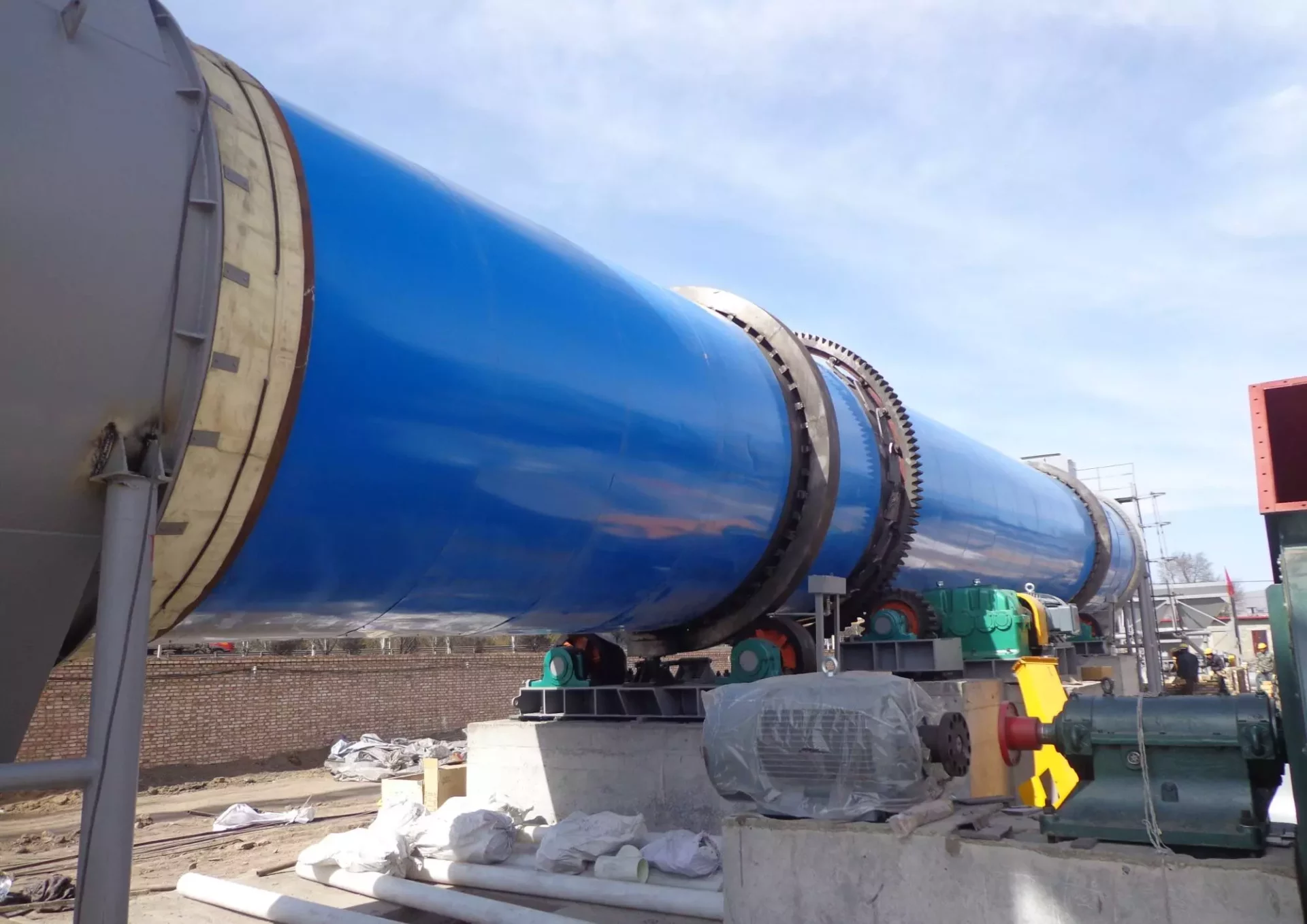
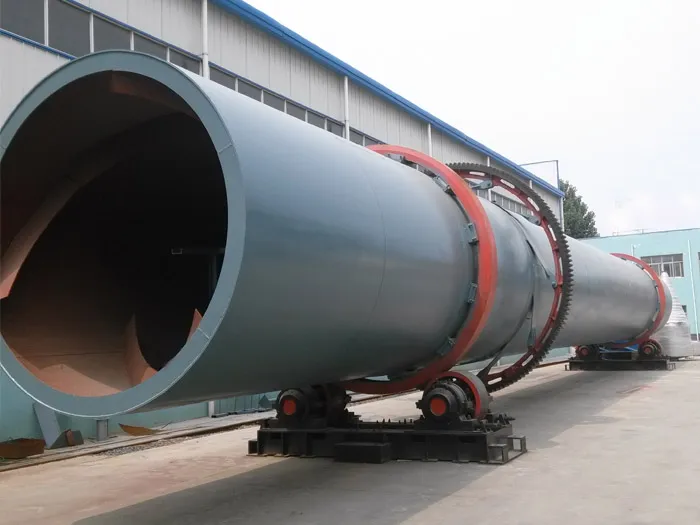
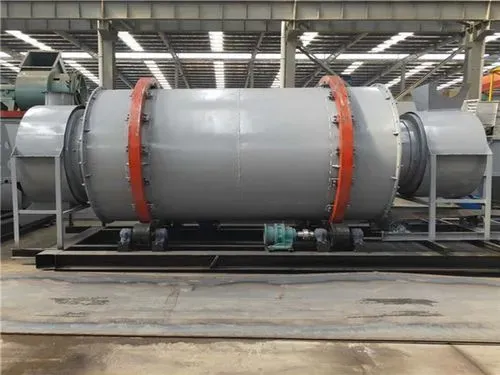
TCPEL supplies single-pass and three-pass rotary dryers for commercial biomass and wood-material drying projects. The current range combines standard TCG and TCSG models with engineered project configurations for wood sawdust, wood chips, straw, bagasse and other confirmed biomass materials. Published model capacity refers to dry material output, while actual dryer selection depends on the raw material, initial moisture, target final moisture, wet feed rate or required dry output, daily working hours, heat source and site conditions. Buyers can compare the current reference configurations below, then confirm whether the project requires a standalone dryer or a complete drying and pellet production line with material preparation, conveying, hot-air generation, dust collection and downstream equipment.
Quick Answer: How Do I Choose a Rotary Dryer for Biomass or Wood?
Choose a rotary dryer by first defining the raw material, initial moisture, target final moisture, wet feed rate or required dry material output, daily working hours and available heat source. TCPEL currently offers single-pass TCG dryers and three-pass TCSG dryers as standard reference configurations, with custom engineering available for project-specific requirements. Capacity in the model tables means dry material output; theoretical water evaporation is listed separately for three-pass models. The final family and configuration should be confirmed against the material behavior, site layout, operating conditions and whether the dryer will run alone or within a complete pellet production line.
Current Single-Pass and Three-Pass Rotary Dryer Models
TCPEL currently provides two rotary dryer families. The following values are current reference configuration data. Actual dryer configuration is selected according to the raw material, initial and target moisture, required dry output, heat source and operating conditions.
Single-Pass Rotary Dryer Models
| Modelo | Drum Size | Dry Material Output | Initial Moisture* | Final Moisture* | Hot-Air Inlet Temperature* | Emission Temperature* | Fan Power |
|---|---|---|---|---|---|---|---|
| TCG-10 | Ø1200 × 11000 mm | 1 t/h | 50% | 10% | 550°C | 70°C | 15 kW |
| TCG-20 | Ø1500 × 14000 mm | 2 t/h | 50% | 10% | 550°C | 70°C | 18.5 kW |
| TCG-30 | Ø1800 × 16000 mm | 3 t/h | 50% | 10% | 550°C | 70°C | 22 kW |
* Reference configuration data for the current TCG models. The values are not a universal guarantee for every raw material, heat source or project.
Three-Pass Rotary Dryer Models
| Modelo | Dryer Main Size | Dry Material Output | Initial Moisture* | Final Moisture* | Theoretical Water Evaporation | Drive Power | Fan Power |
|---|---|---|---|---|---|---|---|
| TCSG10 | Ø2000 × 5840 mm | 1 t/h | 50% | 15% | 700 kg/h | 8 kW | 15 kW |
| TCSG20 | Ø2300 × 7340 mm | 2 t/h | 50% | 15% | 1400 kg/h | 11 kW | 22 kW |
| TCSG30 | Ø2400 × 10460 mm | 3 t/h | 50% | 15% | 2100 kg/h | 16 kW | 45 kW |
| TCSG40 | Ø2800 × 10460 mm | 4 t/h | 50% | 15% | 2800 kg/h | 16 kW | 55 kW |
| TCSG50 | Ø2950 × 12420 mm | 5 t/h | 50% | 15% | 3500 kg/h | 22 kW | 75 kW |
| TCSG60 | Ø3300 × 12420 mm | 6 t/h | 50% | 15% | 4200 kg/h | 22 kW | 90 kW |
* Reference configuration data for the current TCSG models. Dry material output and theoretical water evaporation are separate parameters. No universal hot-air inlet temperature is stated for the TCSG family.
Rotary Dryer Project Selection and System Scope
TCPEL rotary dryer projects combine current standard models with custom engineered configurations. Final selection should be based on the actual material and operating conditions rather than a keyword or a single generic capacity claim.
Rotary Dryer Selection Logic
- Raw material: identify the prepared biomass or wood material.
- Initial moisture: measure the incoming material condition.
- Target final moisture: define the required condition after drying.
- Required dry material output: confirm the target in t/h. Wet feed rate should also be provided when available.
- Daily operating hours: define the planned production schedule.
- Heat source: confirm the available project energy source.
- Dryer family: review the single-pass or three-pass reference configuration.
- Project scope: select a standard model or custom configuration, then confirm a standalone dryer or complete line.
Decision path: Raw Material → Initial Moisture → Target Final Moisture → Required Dry Material Output → Daily Operating Hours → Heat Source → Single-pass / Three-pass → Standard Model / Custom Configuration → Standalone Dryer / Complete Pellet Line.
Verified Biomass and Wood Applications
The current rotary dryer family supports wood sawdust, wood chips, sawdust or wood residues, straw, bagasse and other biomass materials. Suitability remains project-specific and should be confirmed against the actual material and moisture conditions.
Supported Heat Sources
Current supported options include a biomass hot-air furnace, natural gas, diesel and coal. Other heat sources require project-specific confirmation.
Standalone Rotary Dryer or Complete Pellet Line?
A standalone dryer can be evaluated when the buyer already has suitable material preparation, feeding, heat generation, dust collection and discharge equipment. A complete project may also require a drum chipper for wood-chip preparation, a hammer mill for material preparation, conveying, a hot-air furnace, dust collection, a máquina de pellets de madera, a enfriador de pellets and a envasadora de pellets. Review the complete pellet production line when these processes must be engineered together.
Rotary Dryer FAQ
What information is needed to size a rotary dryer?
Provide the raw material, initial moisture, target final moisture, wet material feed rate and/or required dry material output, daily working hours, heat source and site conditions.
What does rotary dryer capacity mean?
In the current TCPEL model tables, capacity means dry material output in t/h. Theoretical water evaporation is a separate parameter for the three-pass TCSG models.
What materials can TCPEL rotary dryers process?
Current verified series-level applications include wood sawdust, wood chips, sawdust or wood residues, straw, bagasse and other biomass materials.
What is the difference between single-pass and three-pass rotary dryers?
They are separate current equipment families with different reference tables. Final selection depends on the material, moisture, required dry output, heat source, site and project configuration.
Can the heat source be customized?
Supported options include a biomass hot-air furnace, natural gas, diesel and coal. Other options require project-specific confirmation.
When should a dryer be included in a pellet production line?
A dryer should be evaluated when incoming material must reach the target moisture before pelletizing and the project also needs coordinated preparation, conveying, heating, dust collection or downstream equipment.
Project Input Checklist
Send the raw material, initial moisture, target moisture, wet feed rate if available, required dry material output, daily working hours, preferred heat source, power supply, site or layout information and whether the project needs a standalone dryer or a complete line. Request a rotary dryer configuration after these inputs are available.

Single-Pass vs Three-Pass Project Configuration
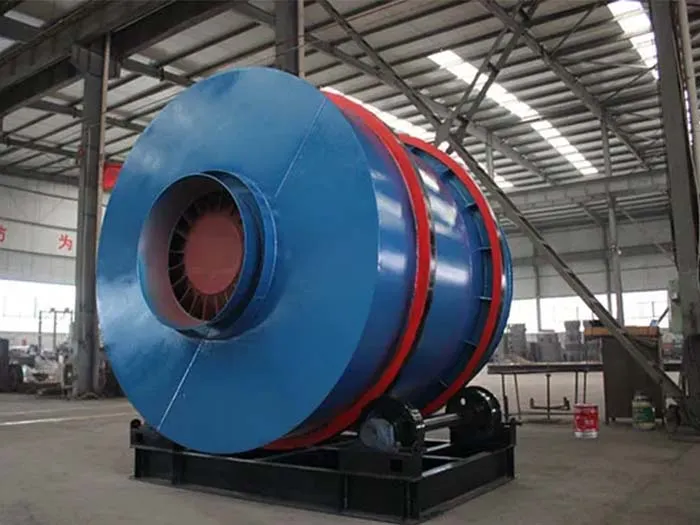
TCPEL currently provides both single-pass and three-pass rotary dryer families. They are separate current configurations, and neither should be selected from a generic efficiency, footprint or material claim. The final family is reviewed using the raw material, moisture conditions, required dry output, heat source, site and complete project scope.
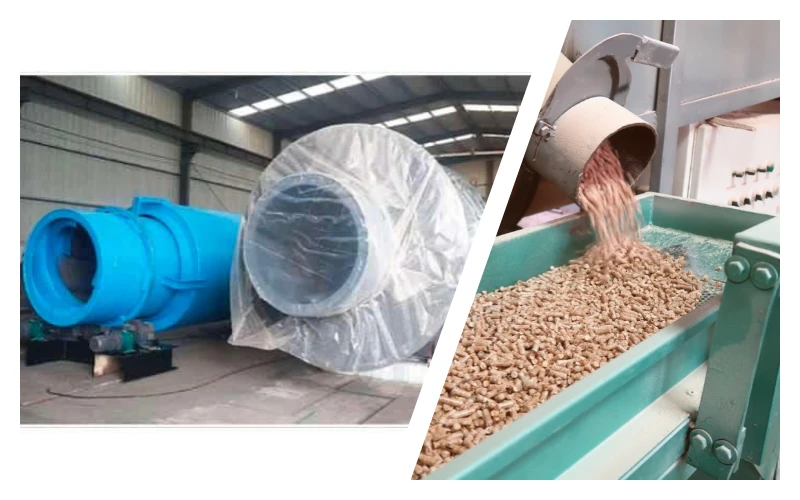
Use how a rotary dryer works for technical principles, compare biomass drying technologies for multi-technology research, or read the industrial dryer selection guide when comparing dryer categories.
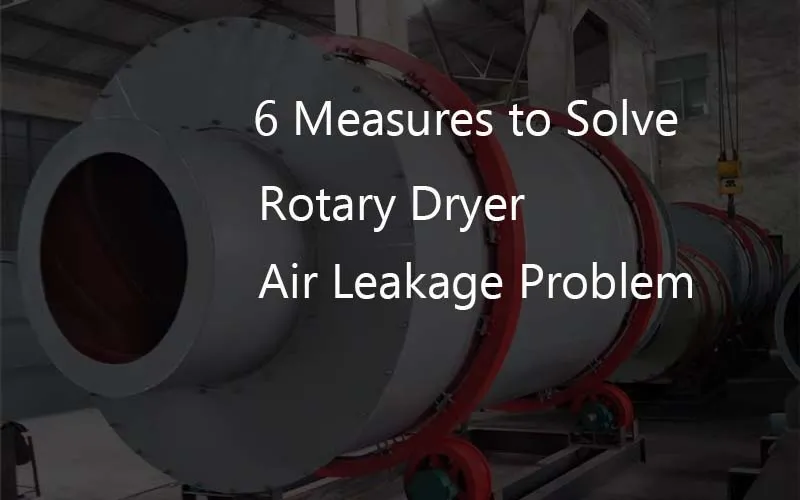
Verified Biomass Applications and Related Dryer Guides
The current TCPEL rotary dryer family supports wood sawdust, wood chips, sawdust or wood residues, straw, bagasse and other biomass materials. Final suitability is confirmed for the actual raw material, moisture conditions, required dry output, heat source and project configuration.
Broader Dryer Technology Guides
The existing guide links below discuss wider dryer technologies and industries. They are informational resources and do not expand the verified application scope of the current TCPEL rotary dryer product family.
Un secador de arena es una máquina diseñada para eliminar la humedad de la arena, mejorando su utilidad en la construcción y la fabricación. Utilizando el calor y el flujo de aire, reduce eficazmente el contenido de humedad, haciendo que la arena sea adecuada para diversas aplicaciones como la producción de hormigón y los procesos de fundición.
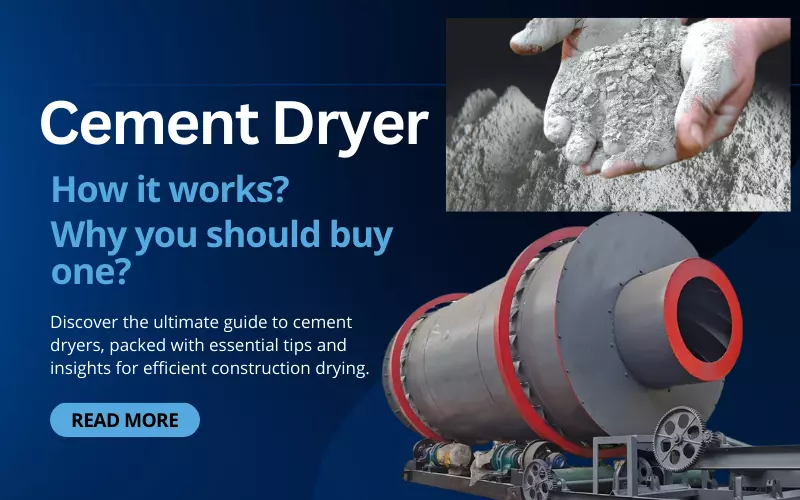
Un secador de cemento es un equipo especializado utilizado para reducir la humedad de los materiales de cemento, mejorando su calidad y rendimiento. Utilizando calor y un flujo de aire controlado, reduce eficazmente el contenido de humedad, garantizando la estabilidad y resistencia del producto final de cemento para la construcción.
Un secador de biomasa es una máquina vital para procesar materiales orgánicos como astillas de madera, residuos agrícolas y materias primas bioenergéticas. Utilizando el calor y el flujo de aire, reduce el contenido de humedad, optimizando la eficiencia de la combustión y facilitando la producción de bioenergía. Desempeña un papel crucial en las prácticas energéticas sostenibles y la reducción de residuos.
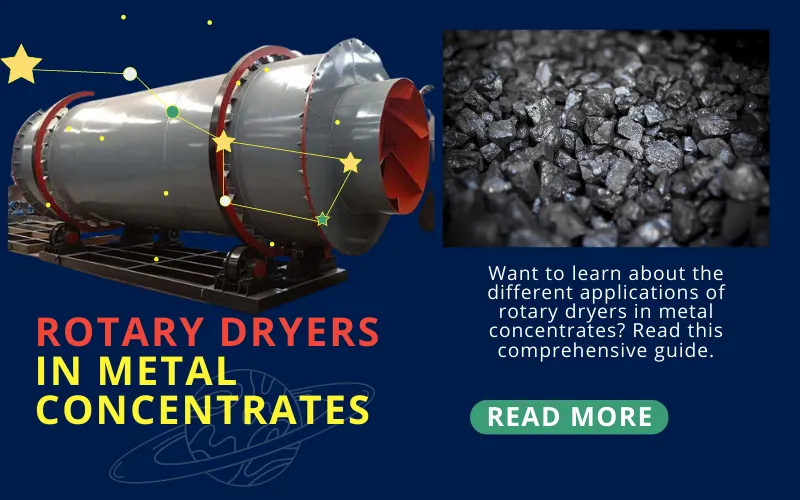
Los secadores rotatorios desempeñan un papel fundamental en la industria metalúrgica al secar eficazmente los concentrados metálicos antes de su posterior procesamiento. Al eliminar la humedad, estos secadores aumentan la eficiencia energética, reducen los costes de transporte y mejoran la calidad de los productos metálicos. Son indispensables para optimizar los procesos metalúrgicos de diversas industrias.
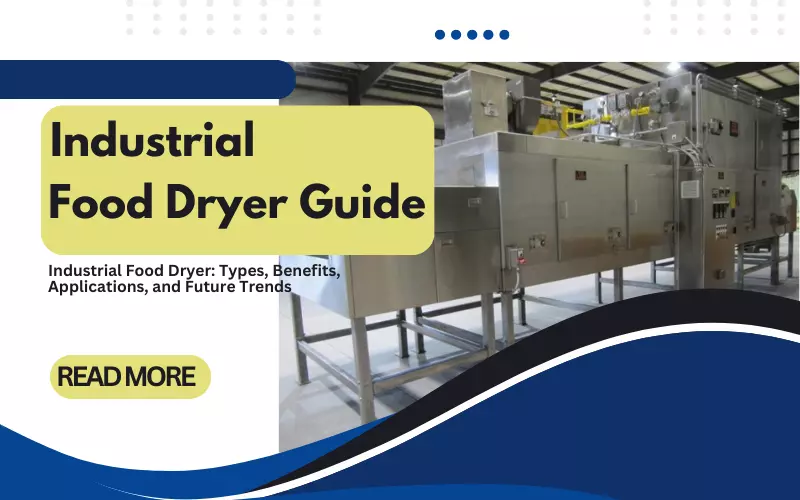
Un secador rotativo industrial de alimentos es un equipo crucial en el sector del procesado de alimentos, que elimina eficazmente la humedad de diversos productos alimenticios como especias, frutos secos y granos de café. Al utilizar calor y flujo de aire controlados, prolonga la vida útil, evita la proliferación microbiana y conserva los sabores y texturas de los productos alimenticios finales.
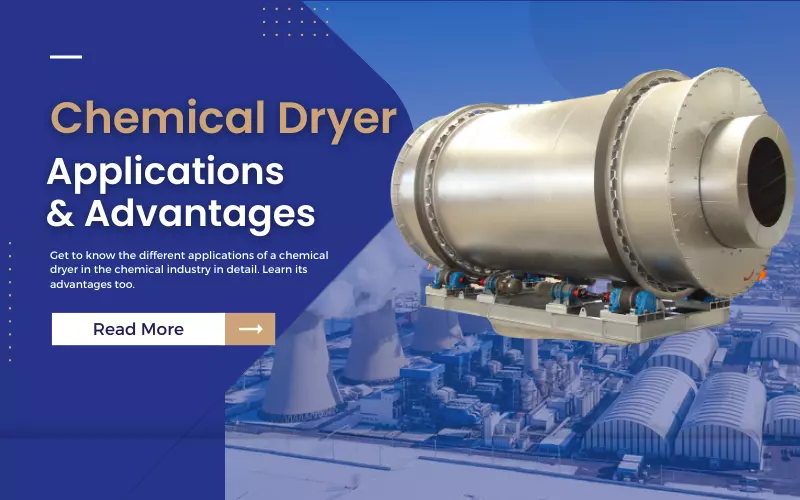
Un secador rotativo químico es una herramienta esencial en la industria química, ya que seca eficazmente una serie de productos químicos, como fertilizantes, pigmentos y catalizadores. Al utilizar calor preciso y condiciones de secado controladas, evita reacciones no deseadas, garantiza la calidad del producto y contribuye a la eficiencia general de los procesos químicos.
A bamboo powder rotary dryer helps reduce moisture before storage, fuel preparation or pellet production. The system should be selected according to powder size, inlet moisture, final moisture and dust collection requirements.
In agricultural material drying, a rotary dryer can process grains, crop residues, fibers or other bulk materials when temperature, airflow and retention time are matched to the product requirement.
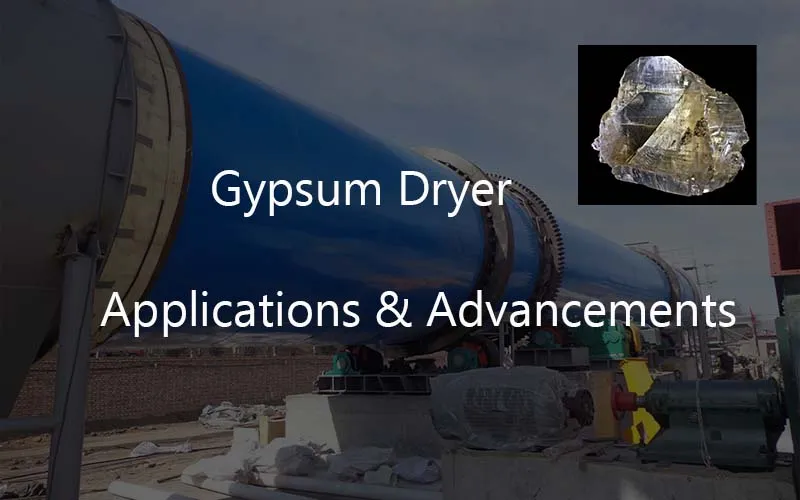
Un secador de yeso forma parte integral del procesamiento del yeso, ya que reduce la humedad y mejora la capacidad de uso. Mediante el uso de aire caliente, elimina eficazmente el exceso de agua, evitando la formación de grumos y mejorando el almacenamiento y el transporte. Los diseños modernos dan prioridad a la eficiencia energética, lo que contribuye a obtener productos de yeso rentables y de alta calidad para la construcción y la fabricación.
Rotary Dryer Wear Parts and Maintenance Planning
Rotary dryer wear parts should be inspected and maintained according to the processed material, operating conditions, alignment, lubrication requirements and the applicable machine documentation. Replacement decisions should follow actual wear condition rather than a universal lifetime claim.
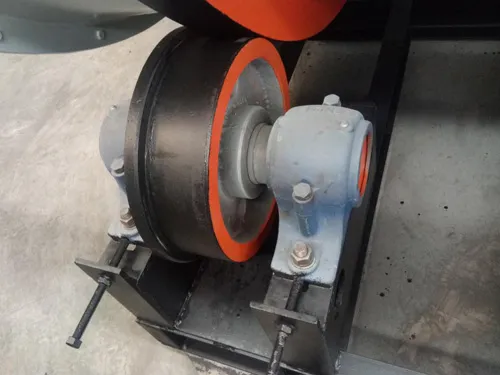
Inspect the tug or support roller for surface wear, alignment, lubrication condition and stable contact with the support ring. Maintenance and replacement depend on the actual load and operating condition.
Inspect the ring gear and support ring for alignment, tooth or surface wear, lubrication and abnormal vibration. Service decisions should be based on the current machine condition and maintenance documentation.
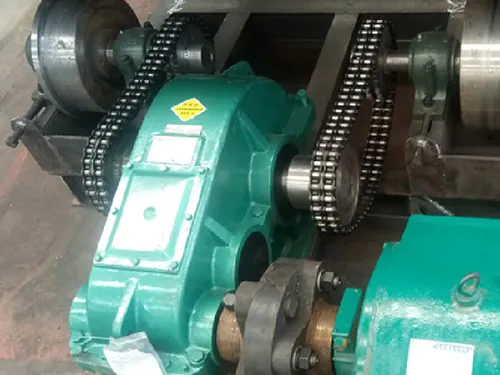
Inspect the drive chain or coupling arrangement for alignment, tension, lubrication, fastener condition and abnormal noise. The installed drive configuration should be confirmed for the specific dryer.
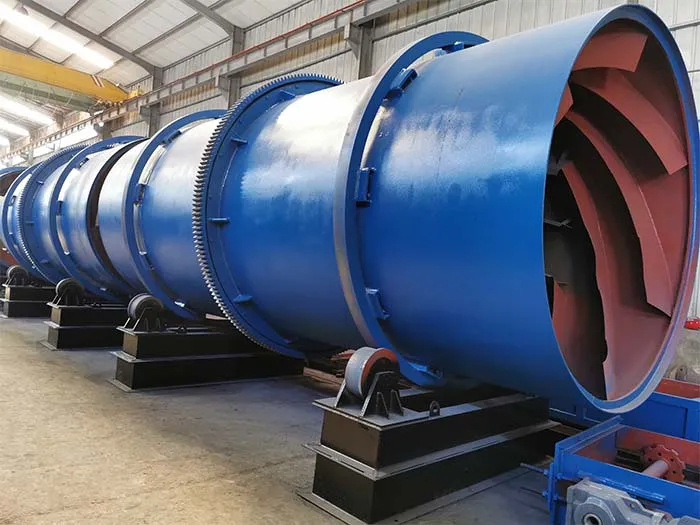
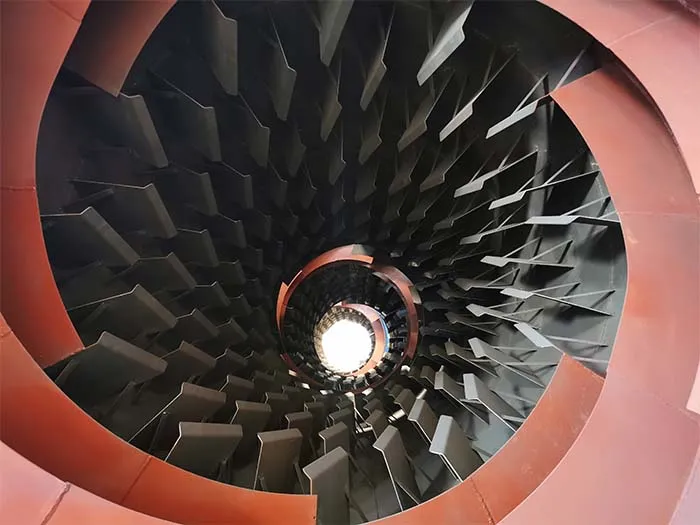
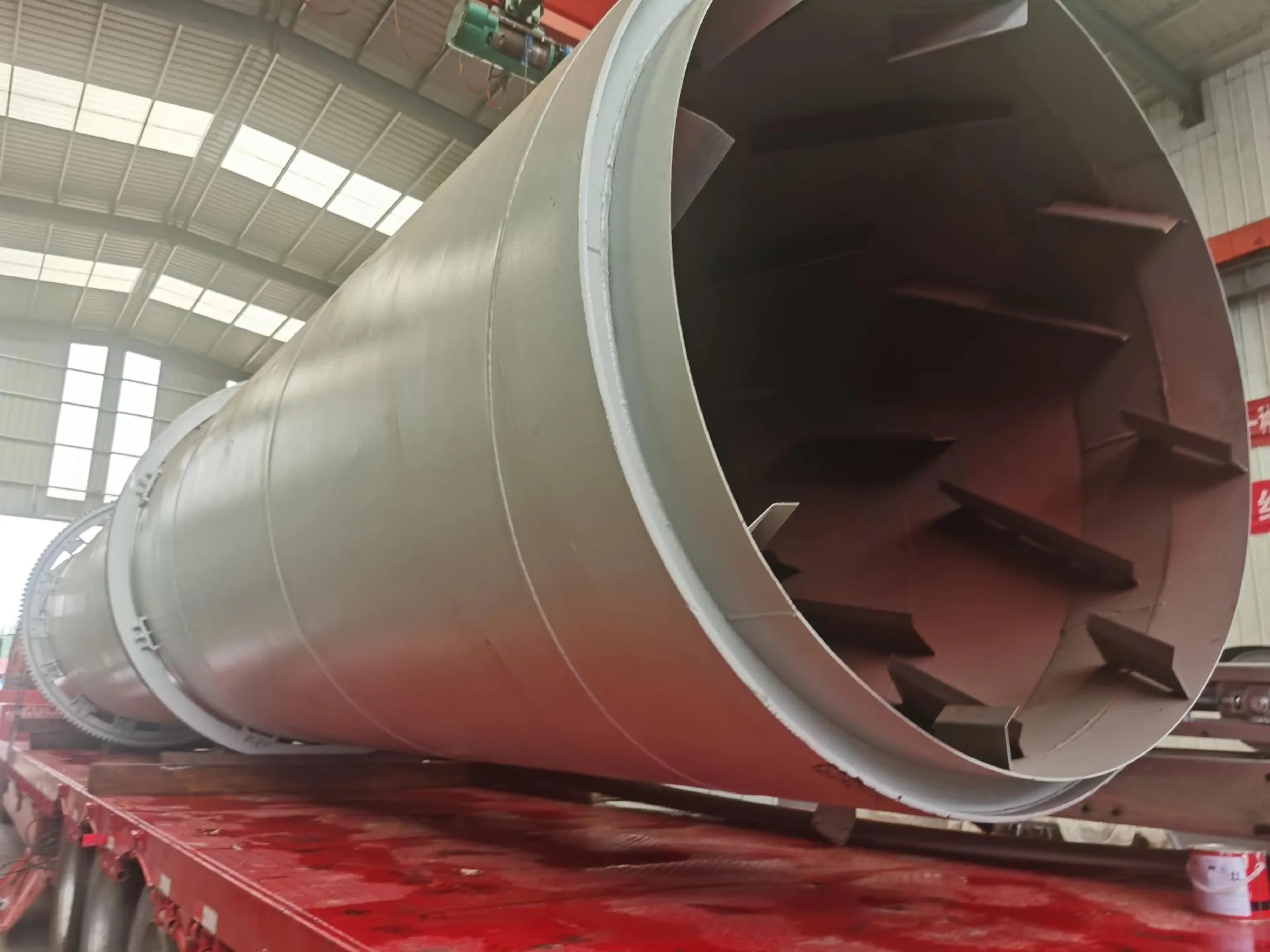
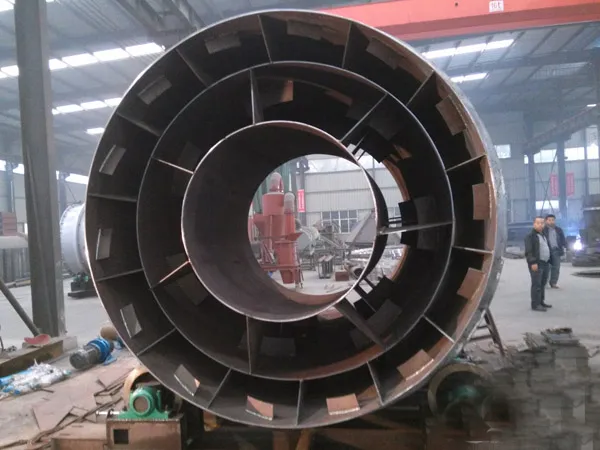
Inspect the drum and lifting plates for deformation, cracking, weld condition, material buildup and wear. The inspection focus depends on the processed material and operating conditions.
Inspect the inlet head and feed connection for heat-related wear, sealing condition, material buildup and structural damage. Replacement should follow the observed condition and the applicable maintenance plan.