
Feed Pellet Machines for Animal Feed Production
- Inclined roller feed pellet machine design
- TCF150–TCF800 models for poultry and livestock feed
- Feed-specific selection by formula and required output
- Confirm pellet requirement and local power supply
- Single machine or complete feed pellet line
- Machine testing before delivery
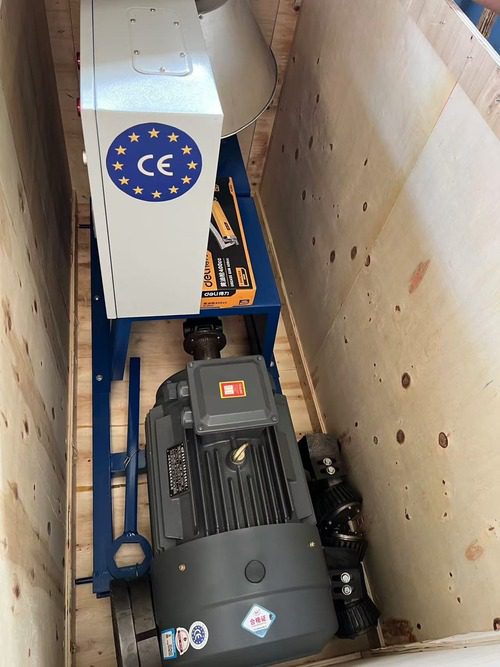
- Export packing and operation guidance
Política de privacidade: Segurança e privacidade garantidas 100%
Feed Pellet Machine Product Family Overview
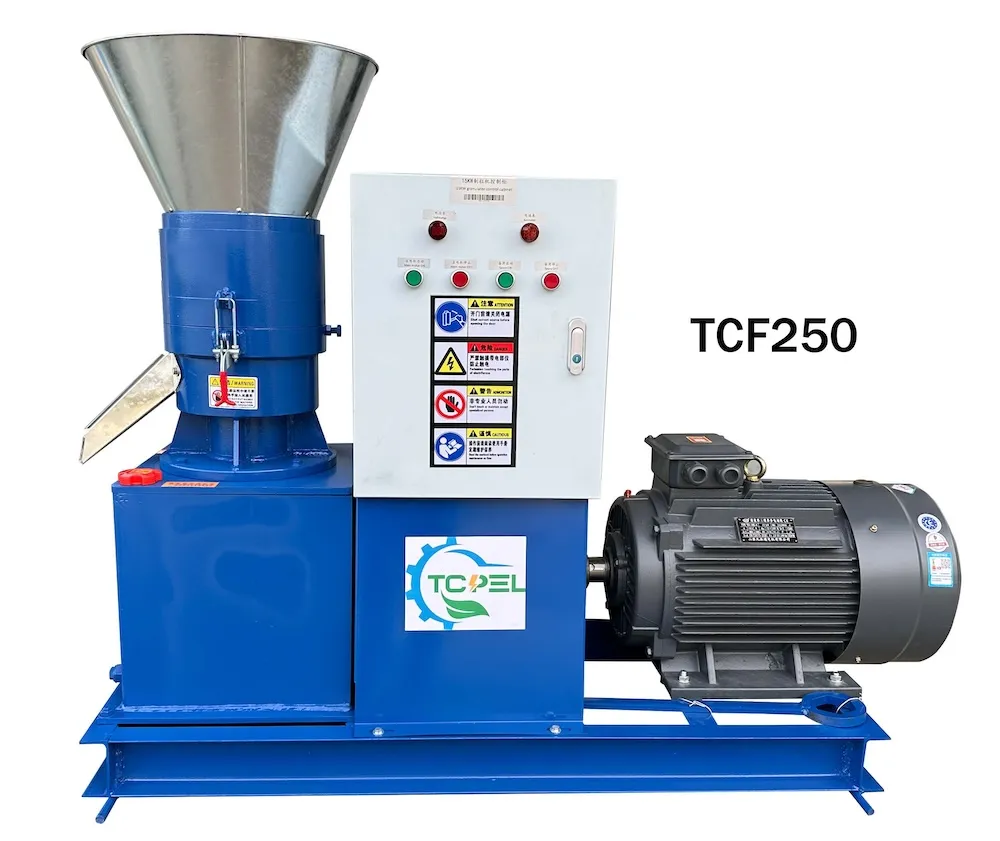
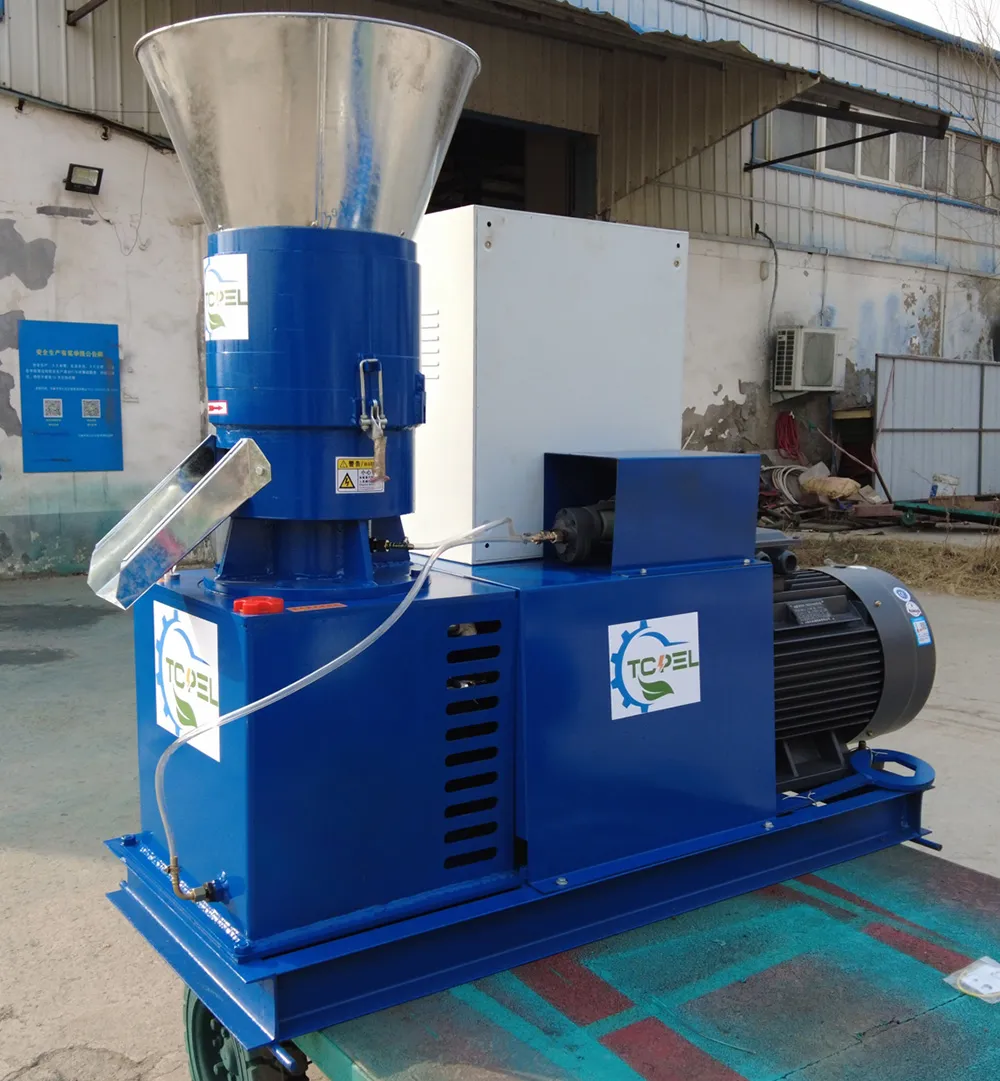
TCPEL feed pellet machines are designed for poultry and livestock feed production using prepared feed powders and formulas. The TCF series is the main product family on this page, using an inclined-roller, stationary-flat-die design across models for different production requirements. To select the right machine, confirm the feed formula and raw-material condition, required hourly output, target pellet diameter, operating schedule and local power supply. Buyers who already have crushing and mixing equipment may need only a standalone pellet machine; projects that require preparation, cooling, screening or packing should evaluate a complete feed pellet production line. Use the model table and application guidance below to narrow the suitable TCF configuration before quotation.
If you still need to compare wood, biomass and feed applications, compare pellet machine types by application. For a broader commercial overview, browse the full pellet machine range.
Quick Answer: What Is a Feed Pellet Machine?
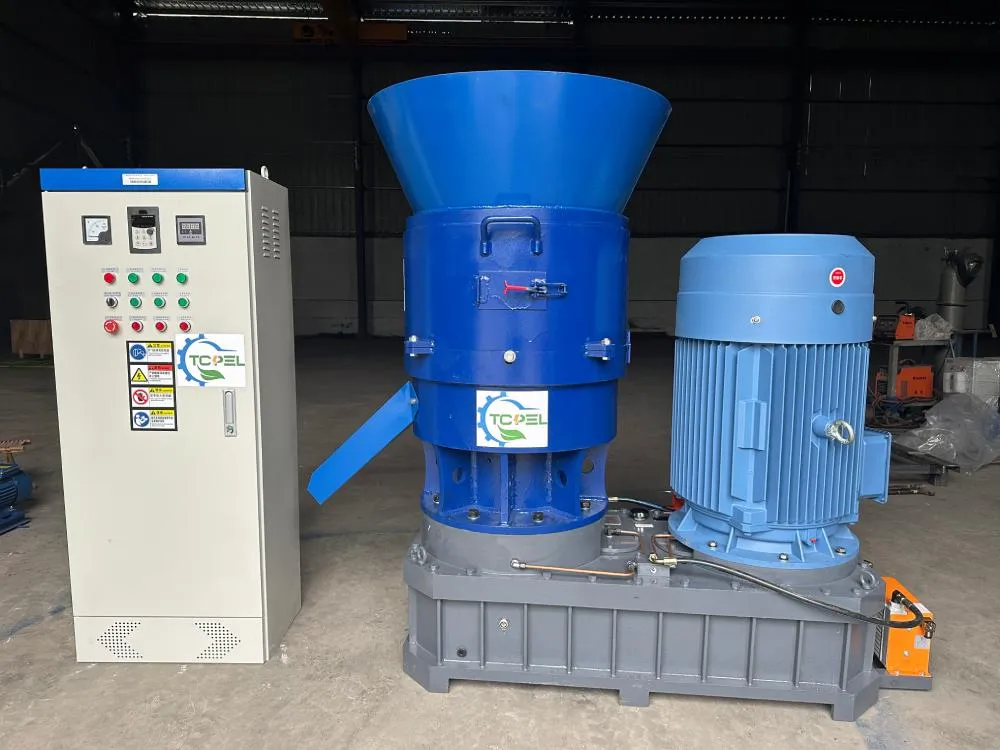
A feed pellet machine compresses prepared animal-feed ingredients into uniform pellets through a die and roller system. TCPEL’s TCF series uses inclined rollers with a stationary flat die for poultry and livestock feed applications. Choose a model by feed formula, required output, target pellet diameter, operating schedule and local power supply. If crushing, mixing, cooling, screening or packing are also required, evaluate a complete feed pellet line instead of a standalone machine.
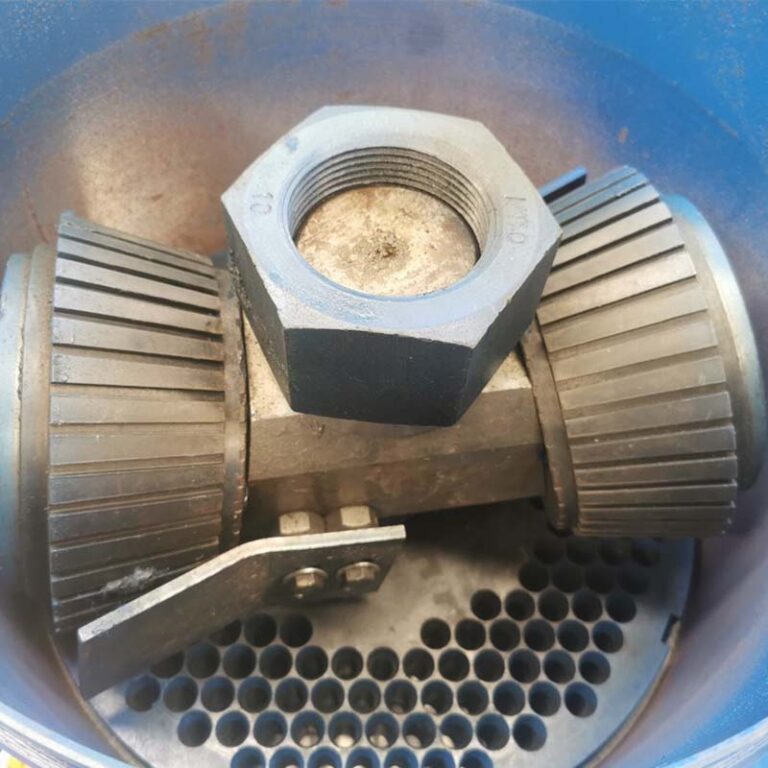
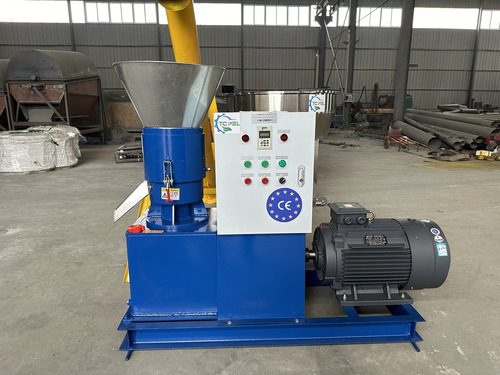
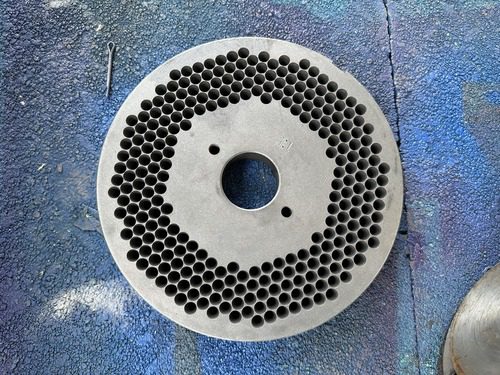
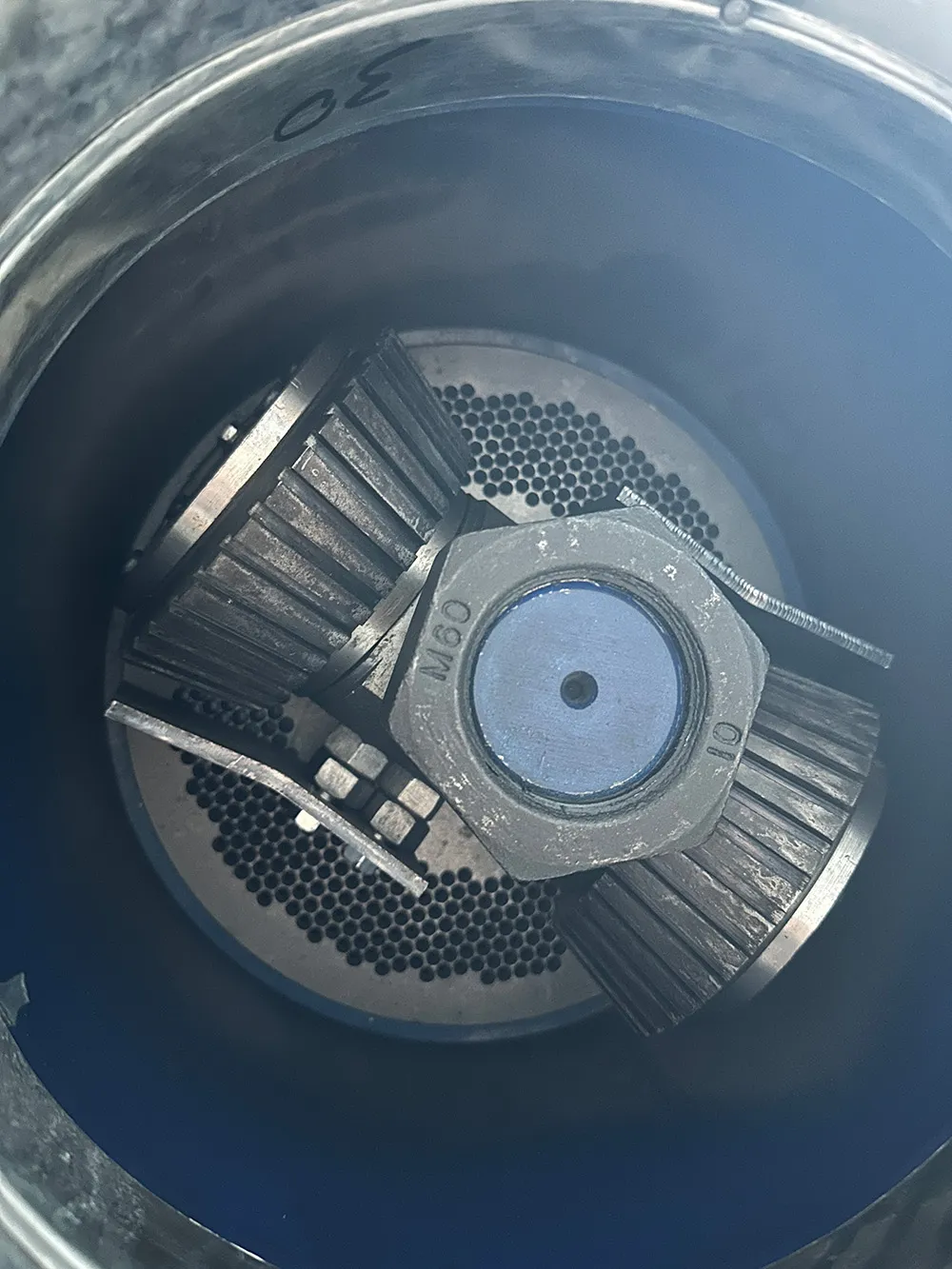
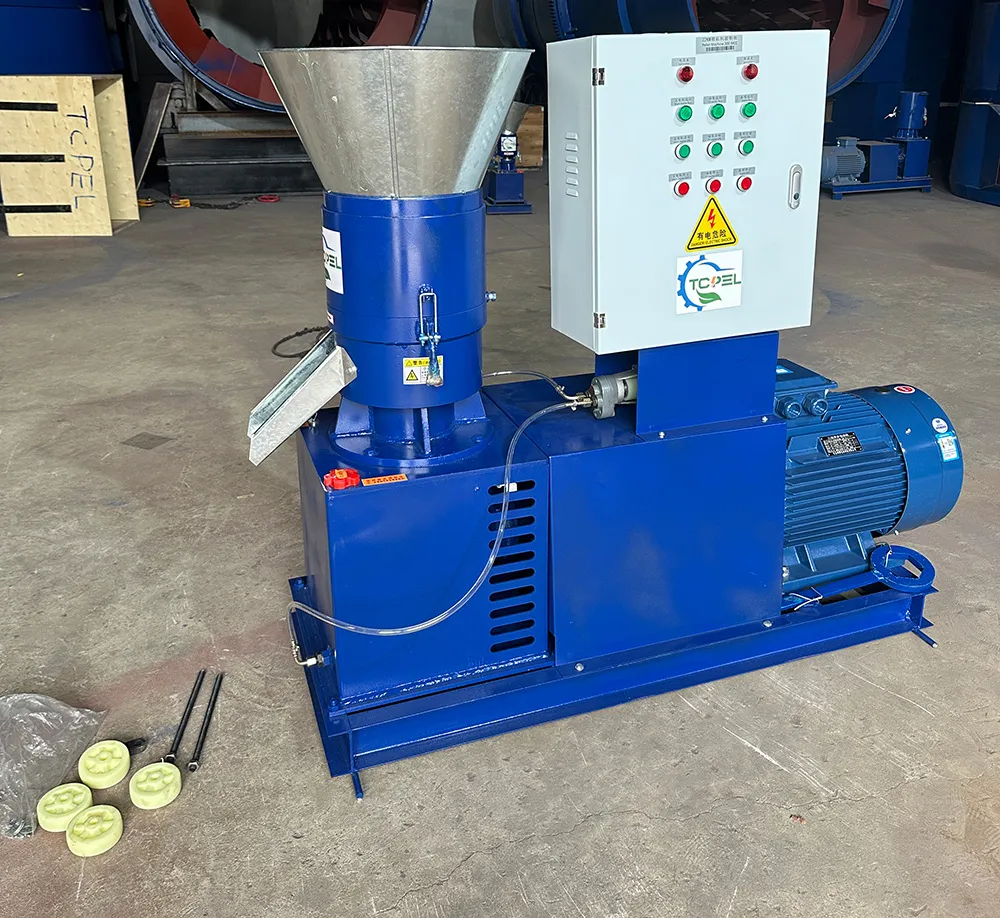
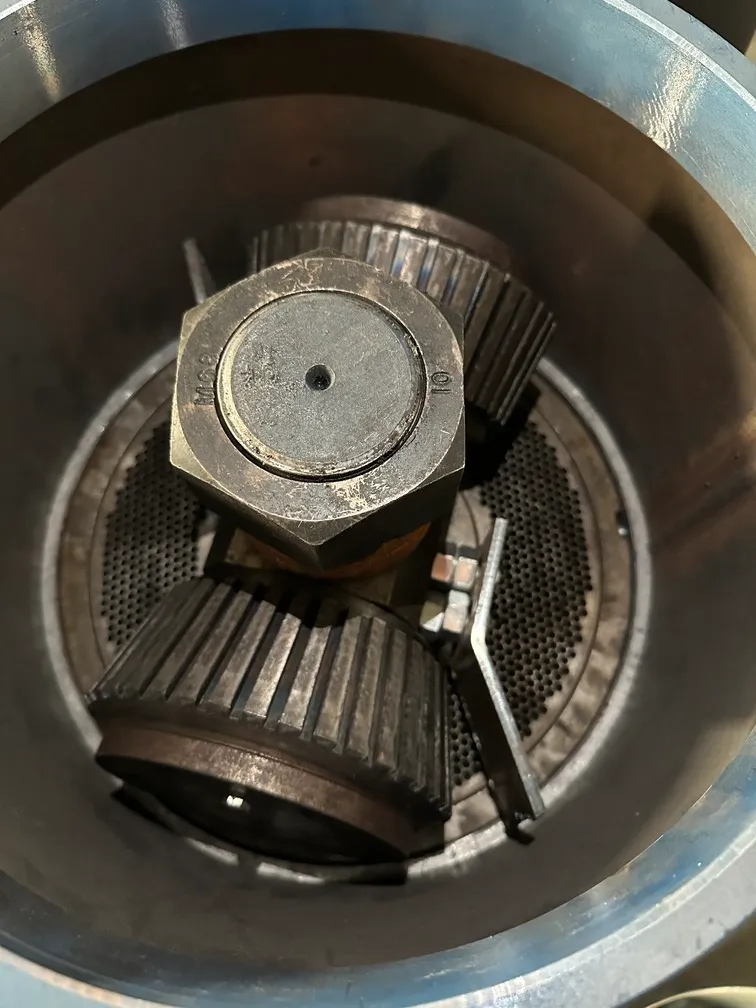
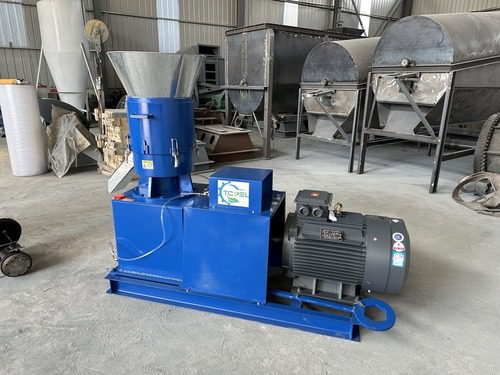
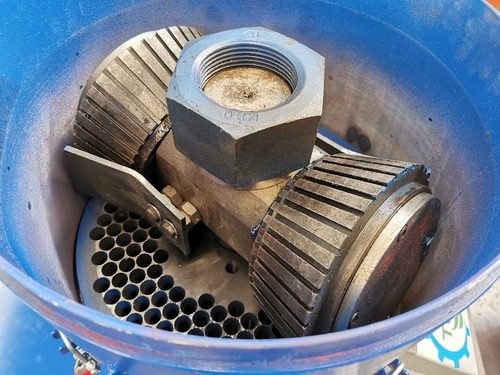
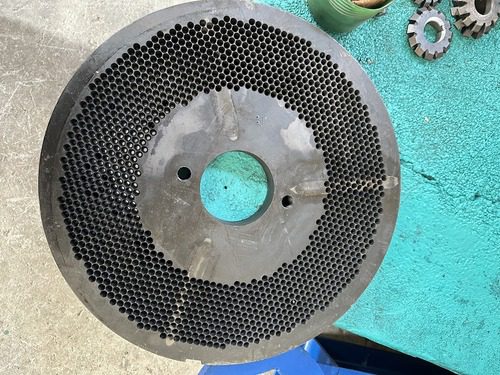
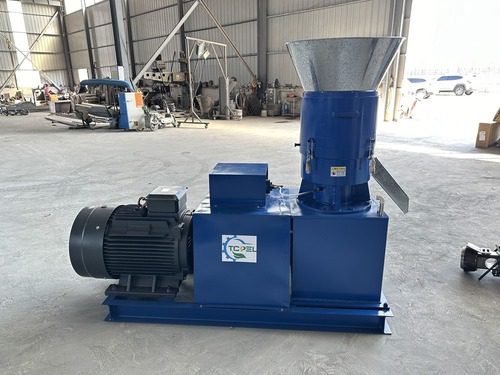
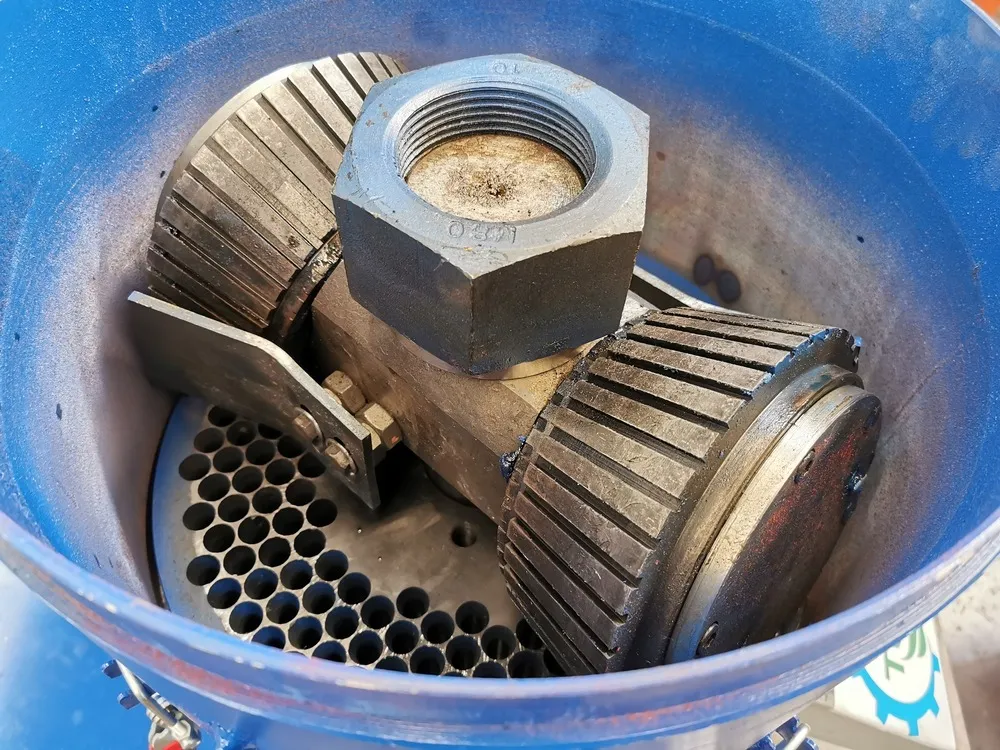
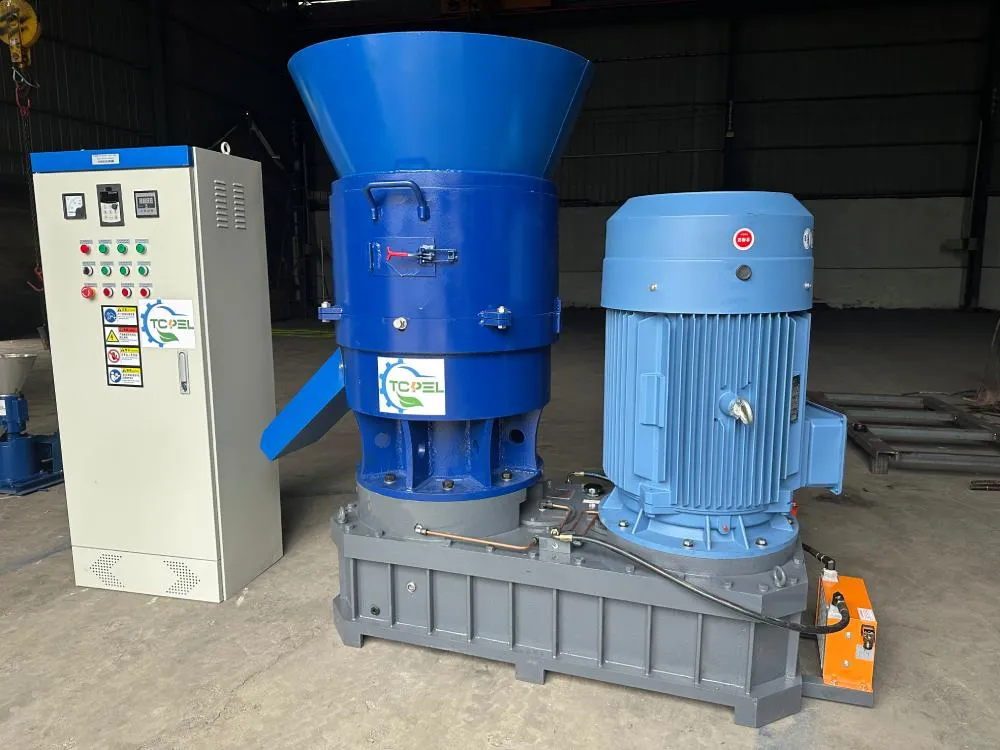
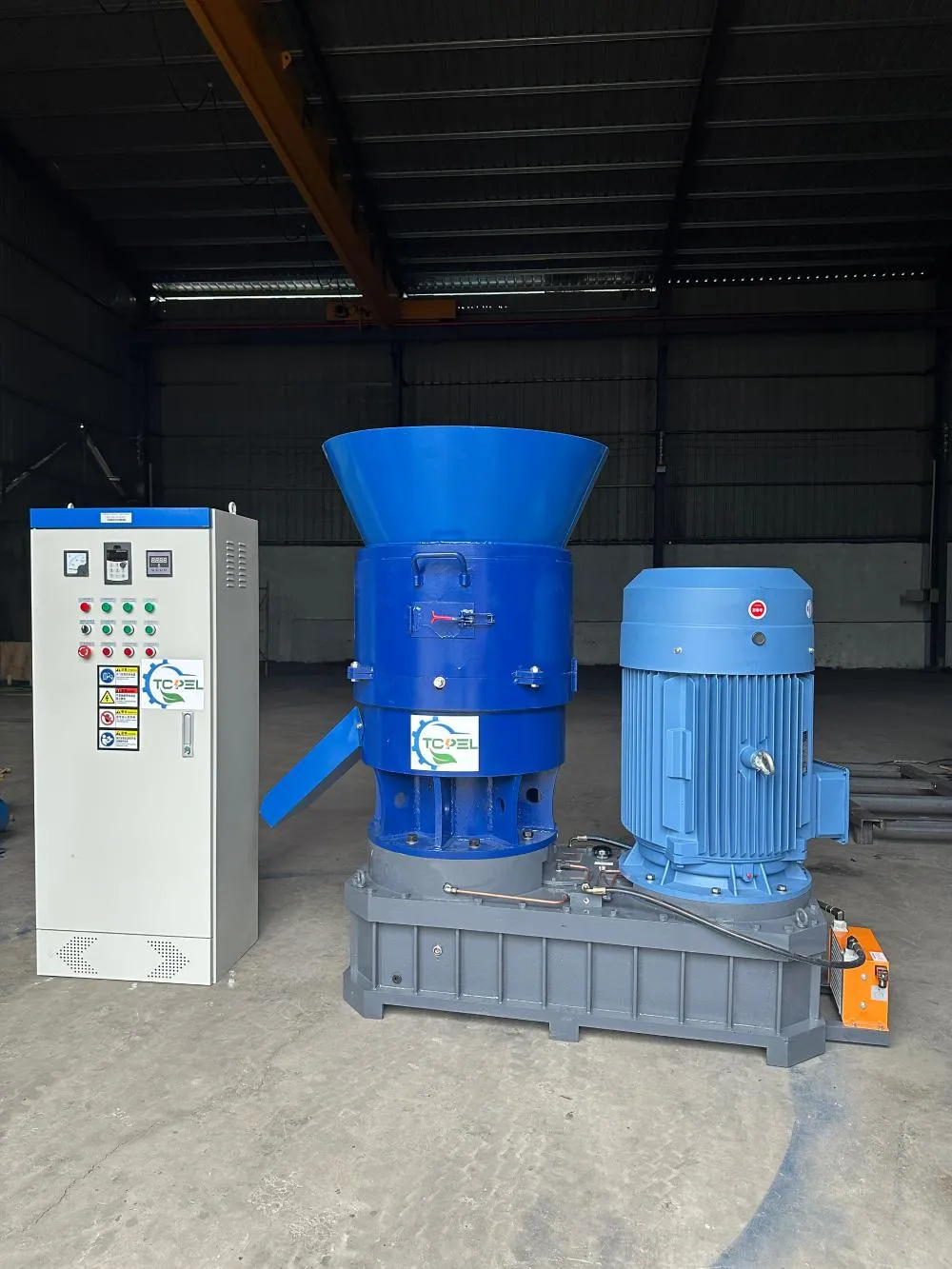
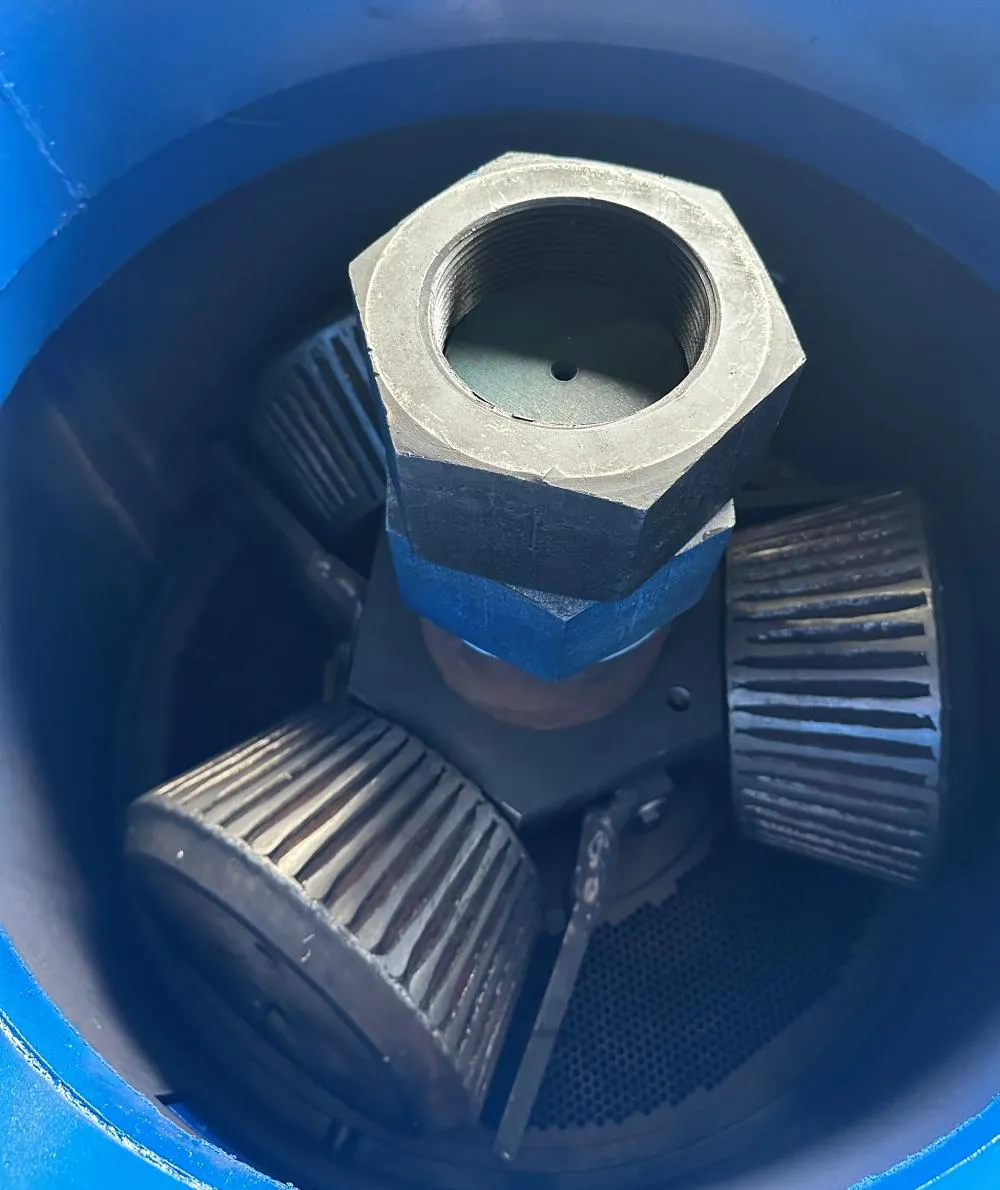
The inclined roller and flat die assembly is designed for stable compression during animal feed pellet production. Die material and roller condition should be checked according to raw material and working hours.
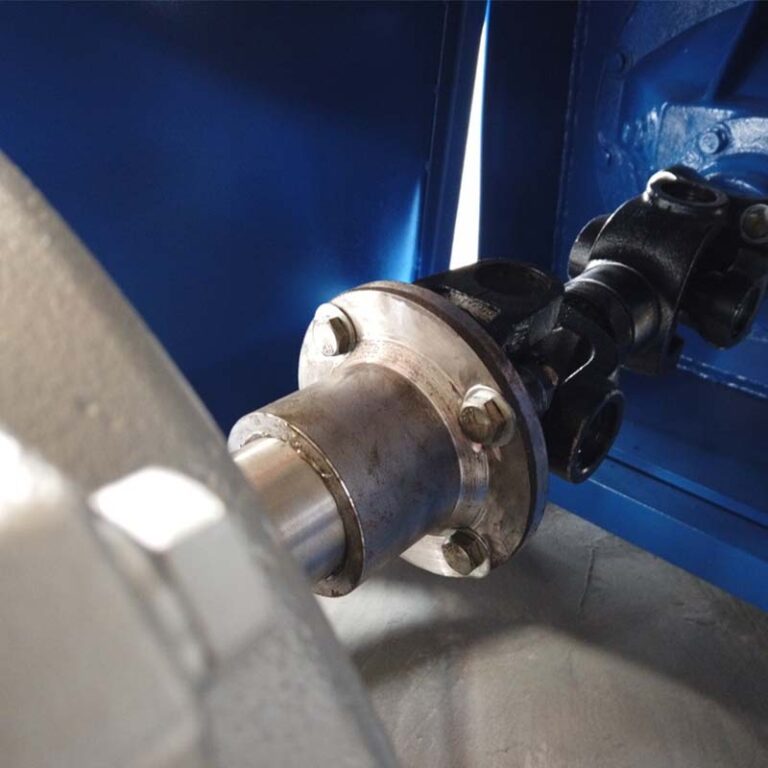
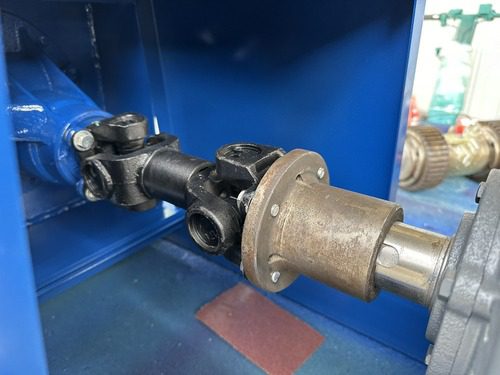
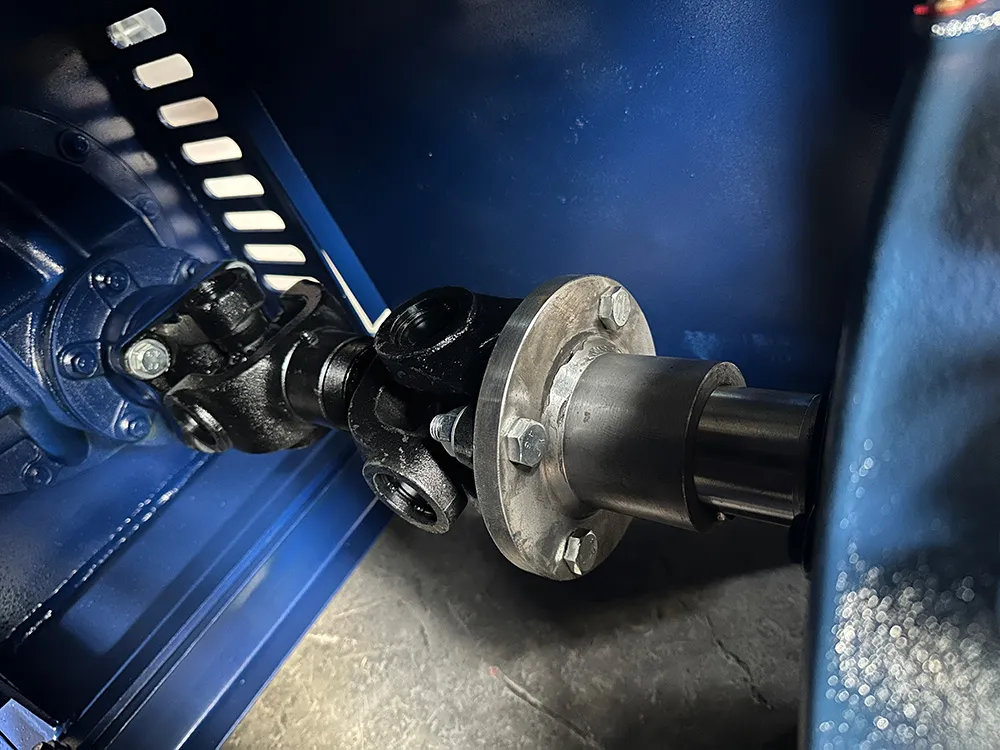
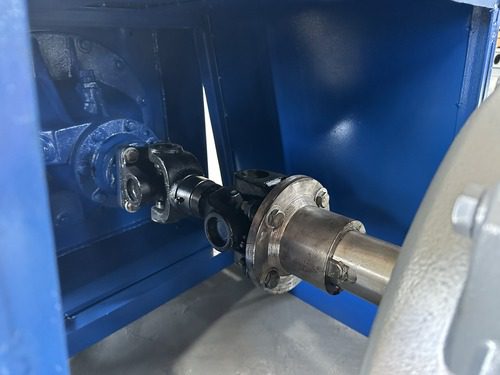
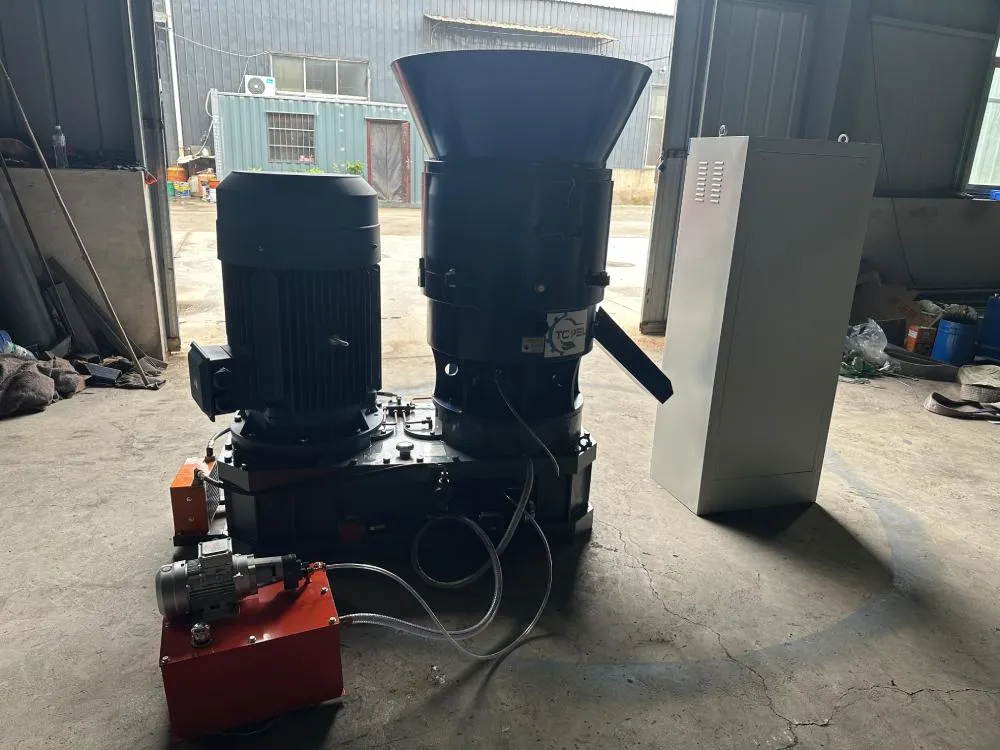
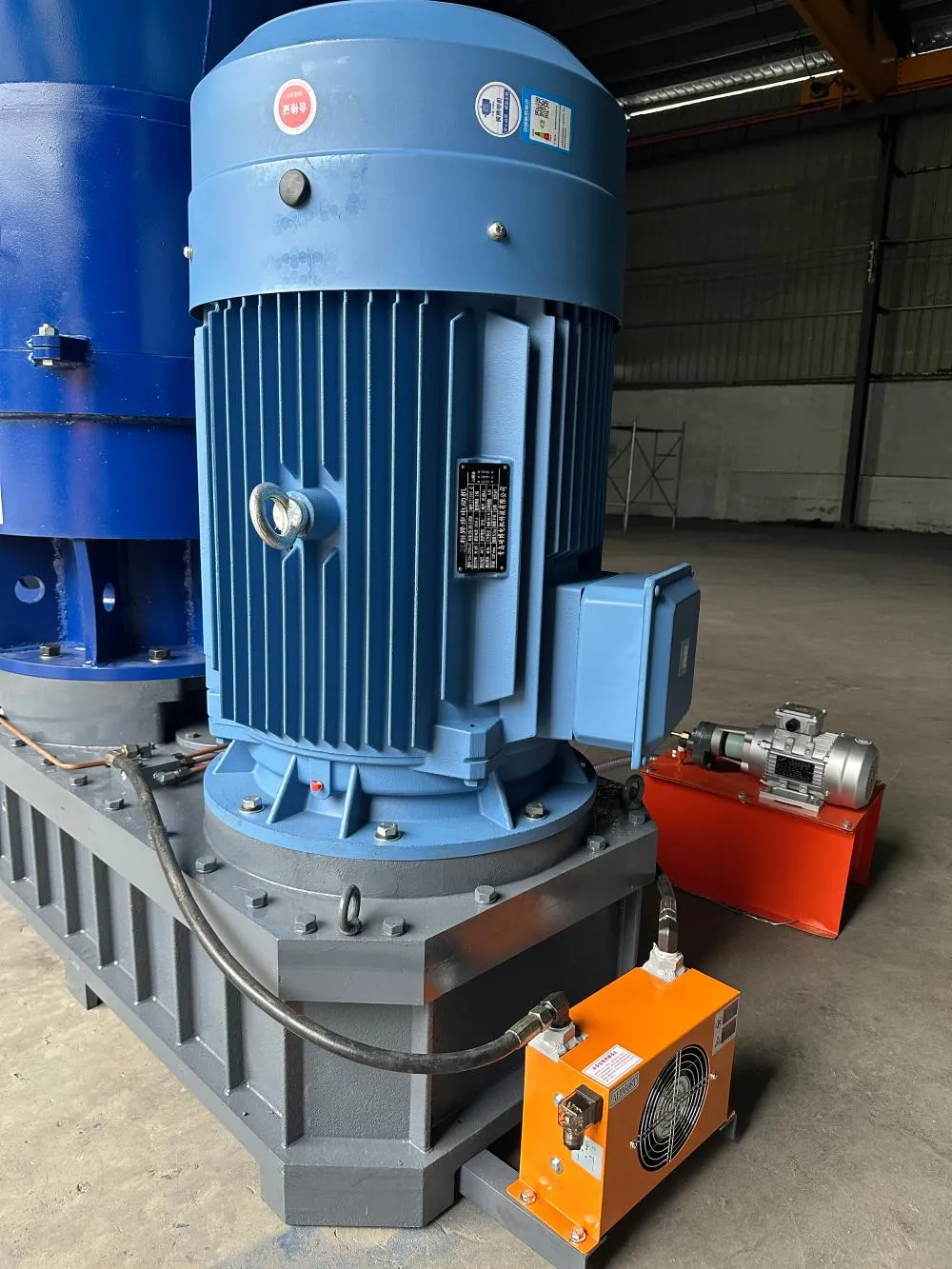
Direct coupling helps keep the machine structure compact and practical for farm or local feed processing layouts. Final motor and electrical configuration should match destination voltage.
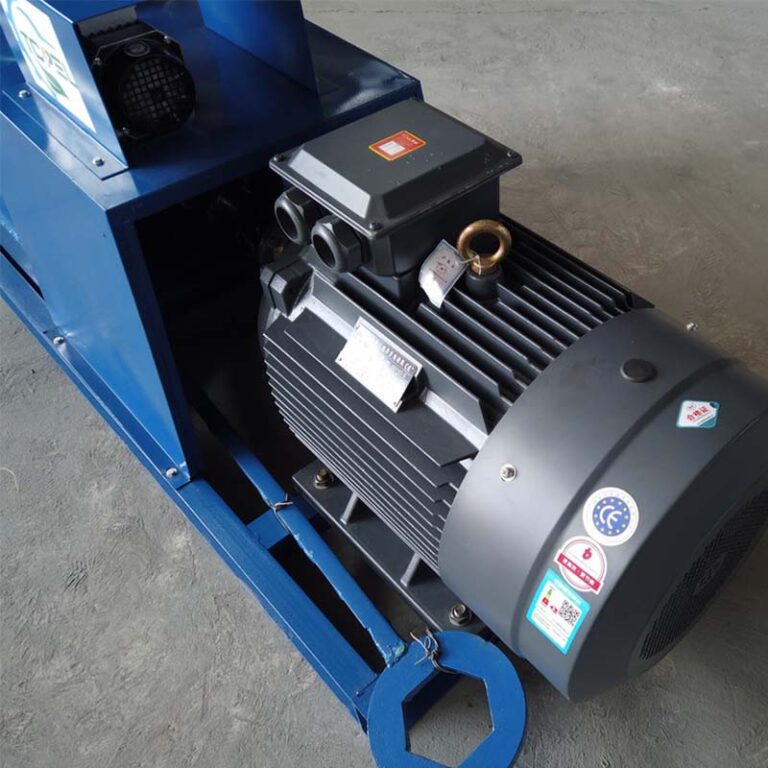
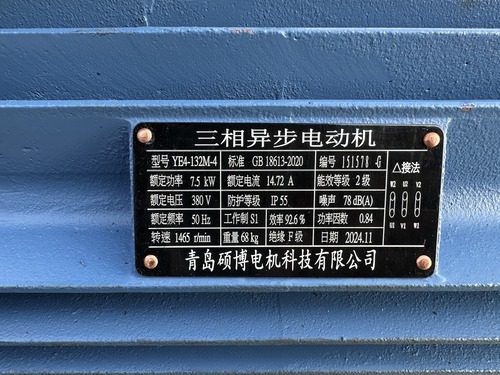
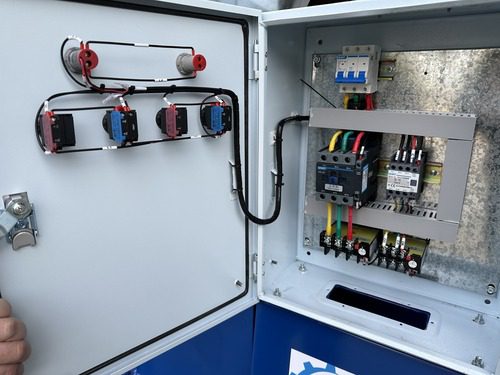
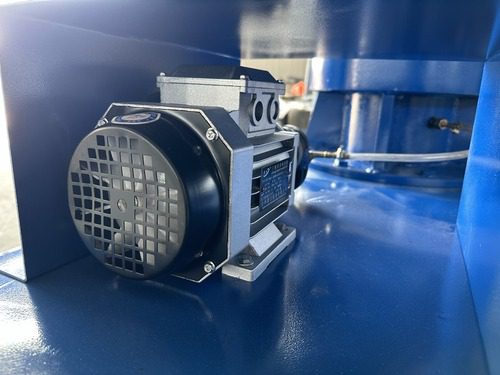
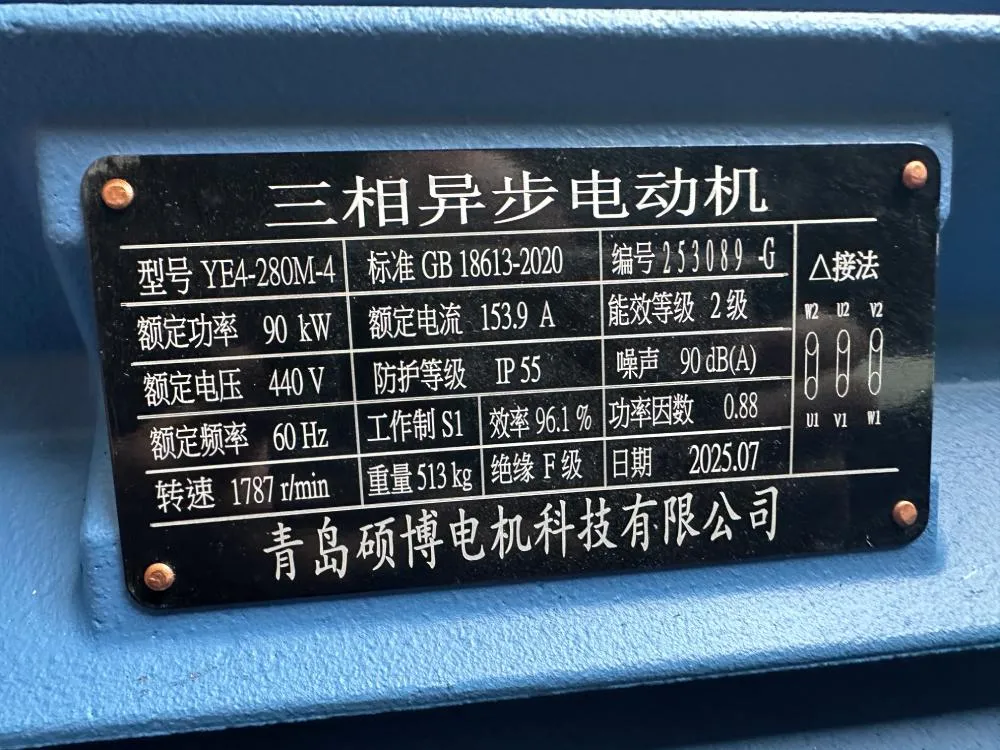
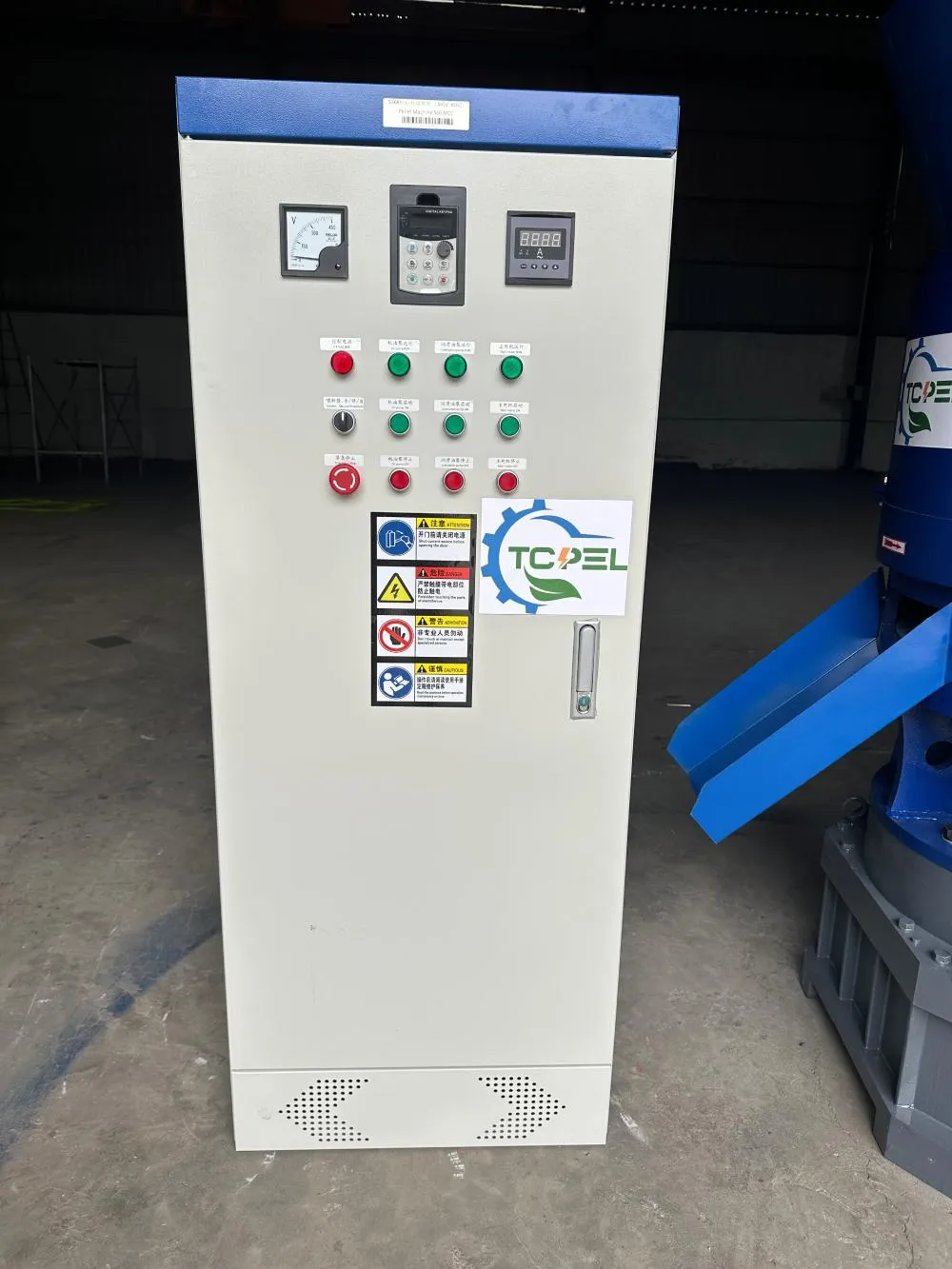
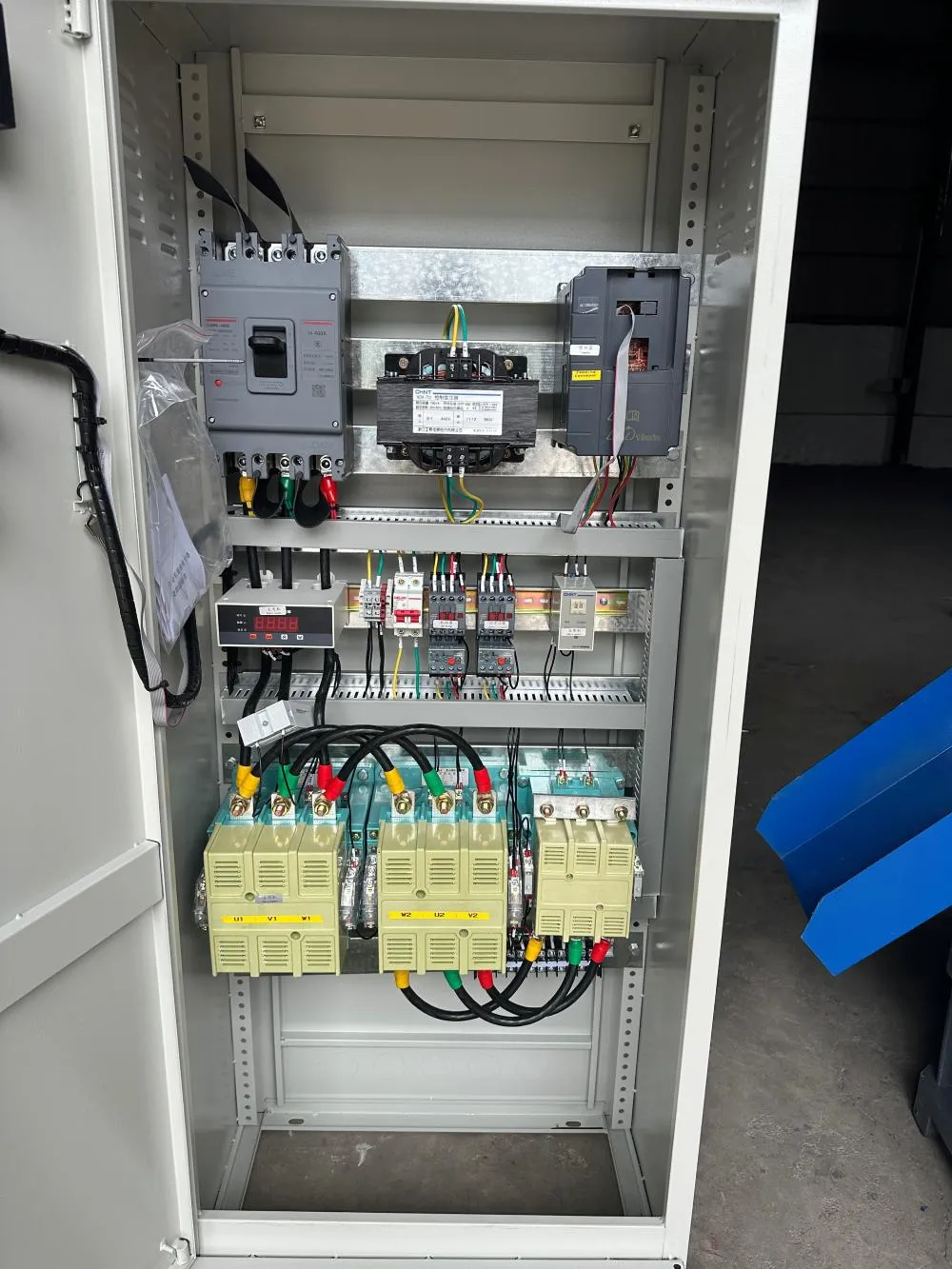
The motor configuration is selected according to model, voltage, frequency and project requirements. TCPEL confirms power supply details before quotation.
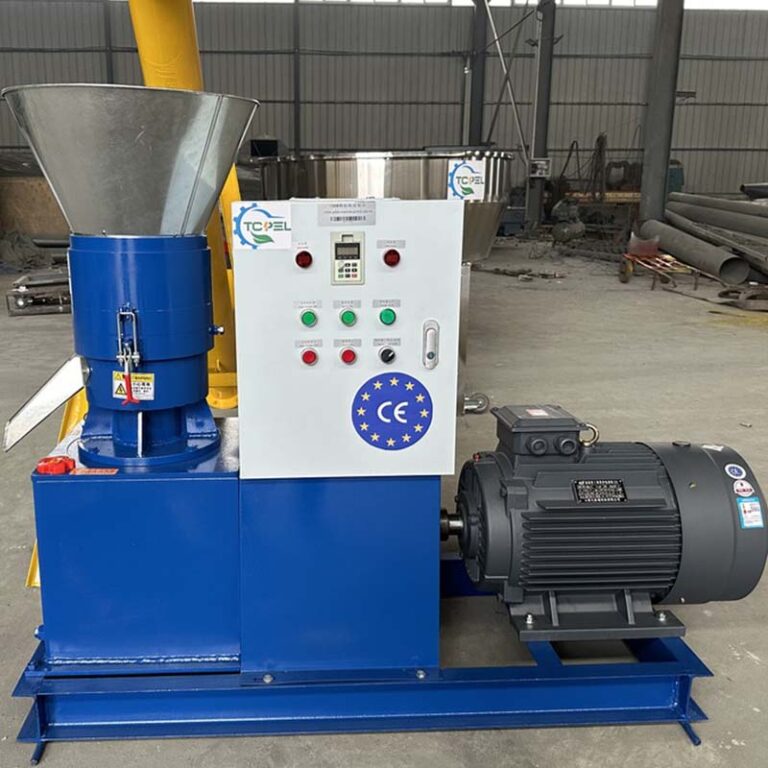
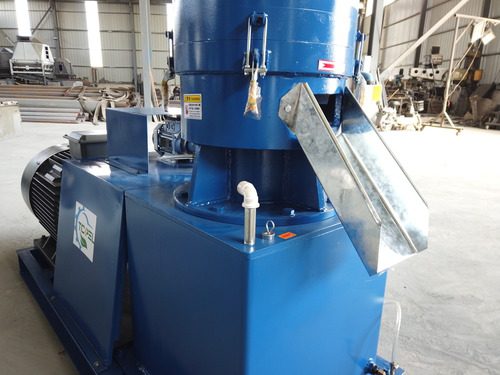
The feeding inlet and discharge area support steady material flow when raw materials are crushed, mixed and adjusted to suitable moisture before pelletizing.
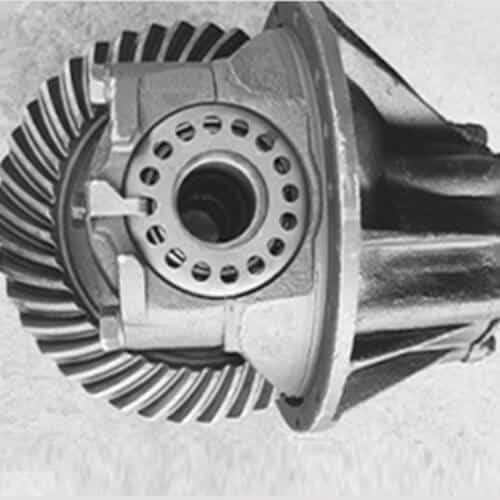
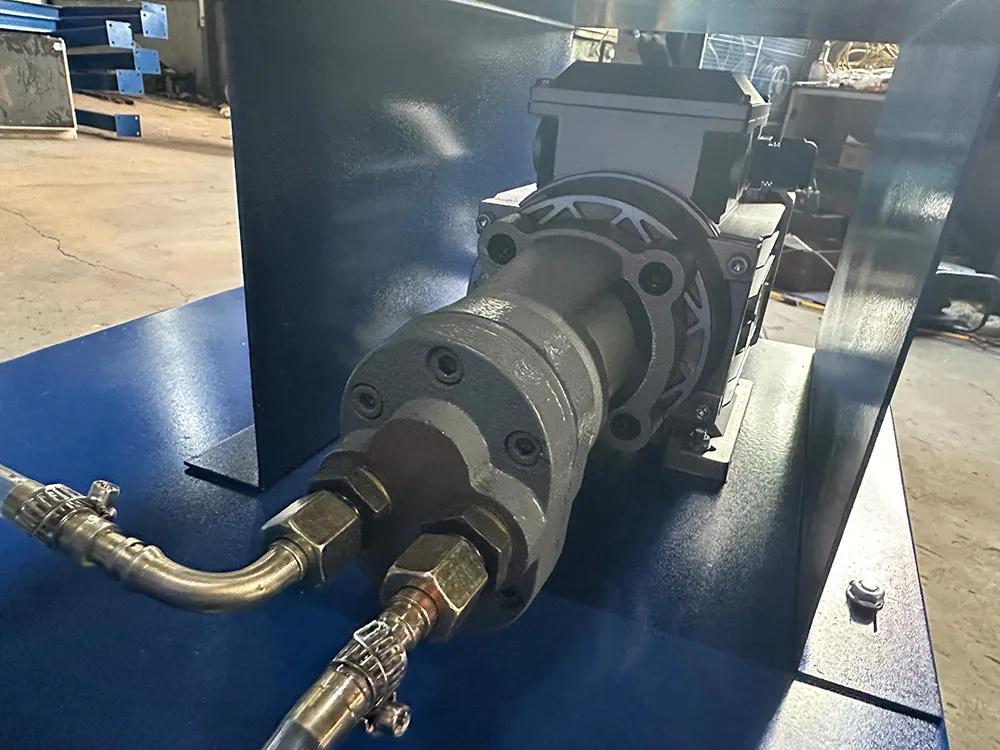
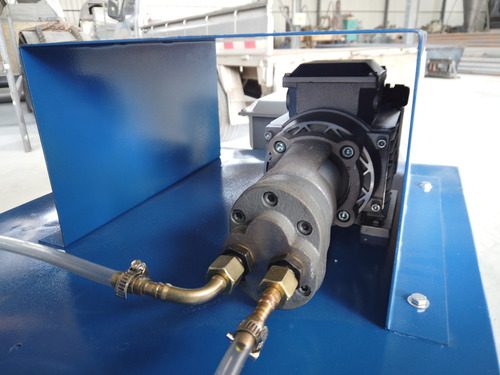
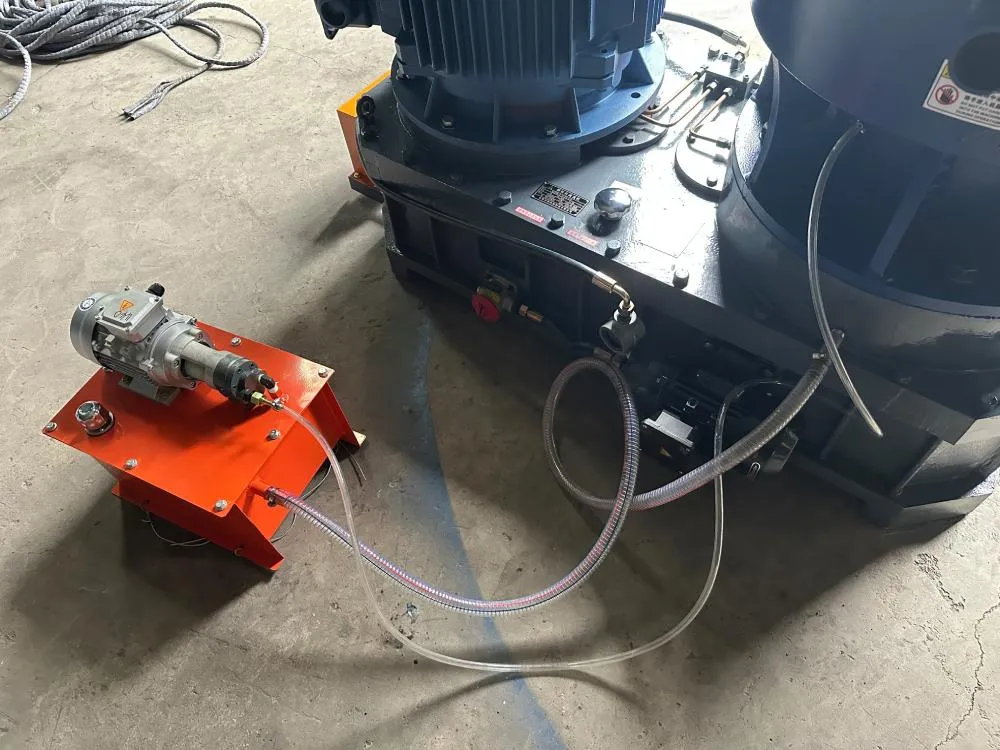
The gearbox and transmission structure should be lubricated and checked before operation. Regular maintenance helps keep pelletizing stable over daily use.
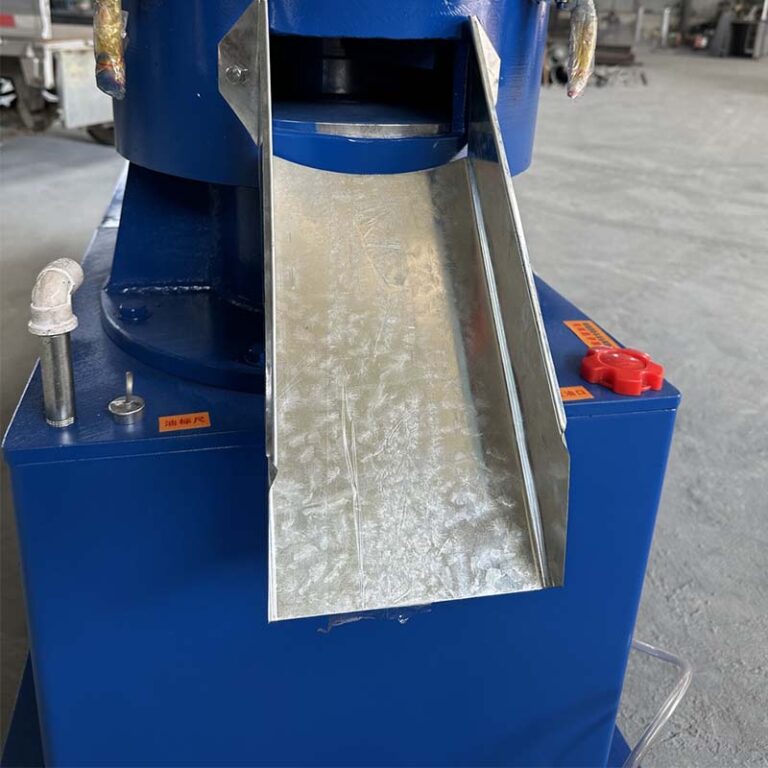
Lubrication points are arranged for routine maintenance. Use the confirmed oil type and maintenance interval according to the machine manual and working load.
TCF Inclined Roller Feed Pellet Machine Series
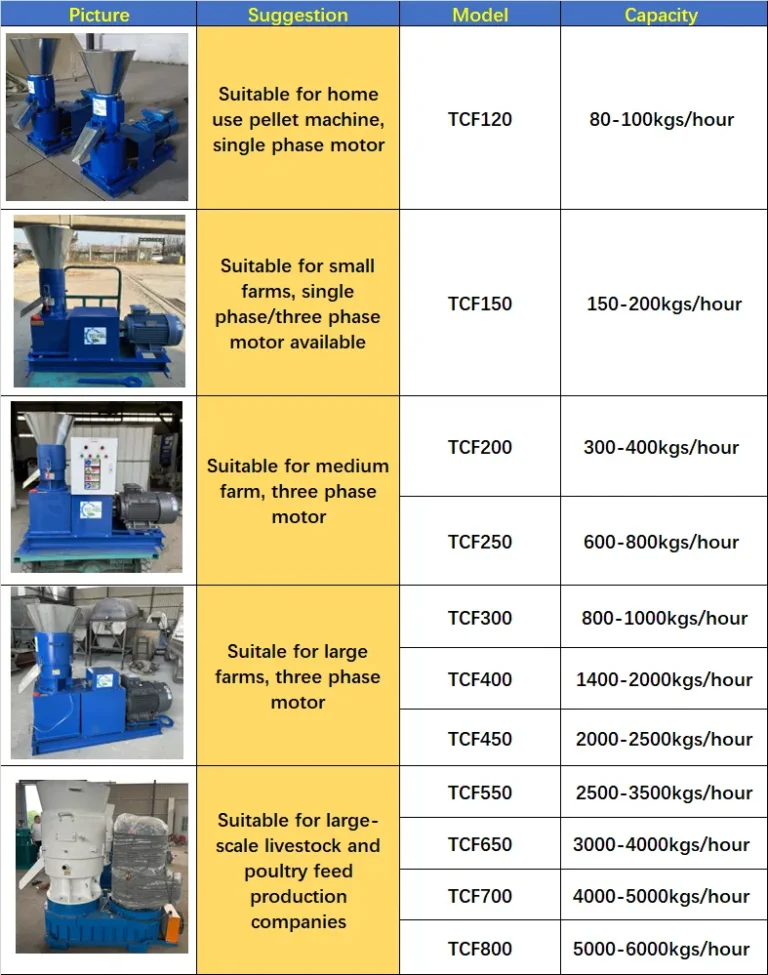
Use the verified 11-model TCF table below as the technical reference. Catalogue capacity is a model range; actual output depends on the feed formula, raw-material condition, selected die, operating schedule and site conditions.
- TCF250: 15 kW, verified catalogue capacity 600–800 kg/h.
- TCF300: 22 kW, verified catalogue capacity 800–1000 kg/h.
- TCF350: 30 kW, verified catalogue capacity 1000–1200 kg/h.
- TCF400: 37 kW, verified catalogue capacity 1400–2000 kg/h.
- TCF550: 75 kW, verified catalogue capacity 2500–3500 kg/h.
The current TCF family also includes TCF150, TCF200, TCF450, TCF650, TCF700 and TCF800. Confirm the ordered die and electrical configuration before quotation.
| Modelo | Capacidade | Tipo de rolo | Potência | Tensão (V) | Peso | Dimensão (mm) |
|---|---|---|---|---|---|---|
| TCF150 | 150-200kgs/h | Dois rolos inclinados | 7,5 kW | 380V, 50/60HZ, TRIFÁSICO | 190 kg | 1220*620*840 |
| TCF200 | 300-400kgs/h | Dois rolos inclinados | 11kw | 380V, 50/60HZ, TRIFÁSICO | 270 kg | 1420*670*1100 |
| TCF250 | 600-800kgs/h | Dois rolos inclinados | 15kw | 380V, 50/60HZ, TRIFÁSICO | 480 kg | 1660*740*1220 |
| TCF300 | 800-1000kgs/h | Dois rolos inclinados | 22kw | 380V, 50/60HZ, TRIFÁSICO | 650 kg | 1830*880*1560 |
| TCF350 | 1000-1200kgs/h | Dois rolos inclinados | 30kw | 380V, 50/60HZ, TRIFÁSICO | 750 kg | 1960*920*1680 |
| TCF400 | 1400-2000kgs/h | Dois rolos inclinados | 37kw | 380V, 50/60HZ, TRIFÁSICO | 900 kg | 2550*980*1600 |
| TCF450 | 2000-2500kgs/h | Dois rolos inclinados | 45kw | 380V, 50/60HZ, TRIFÁSICO | 1500kgs | 2780*1100*1700 |
| TCF550 | 2500-3500kgs/h | Três rolos inclinados | 75kw | 380V, 50/60HZ, TRIFÁSICO | 1800 kg | 2900*1300*1900 |
| TCF650 | 3000-4000kgs/h | Três rolos inclinados | 90kw | 380V, 50/60HZ, TRIFÁSICO | 2100 kg | 2950*1500*2000 |
| TCF700 | 4000-5000kgs/h | Três rolos inclinados | 110kw | 380V, 50/60HZ, TRIFÁSICO | 2500kgs | 3000*1600*2100 |
| TCF800 | 5000-6000kgs/h | Três rolos inclinados | 132kw | 380V, 50/60HZ, TRIFÁSICO | 2900 kg | 3150*1800*2200 |
Feed Pellet Machine Project Support
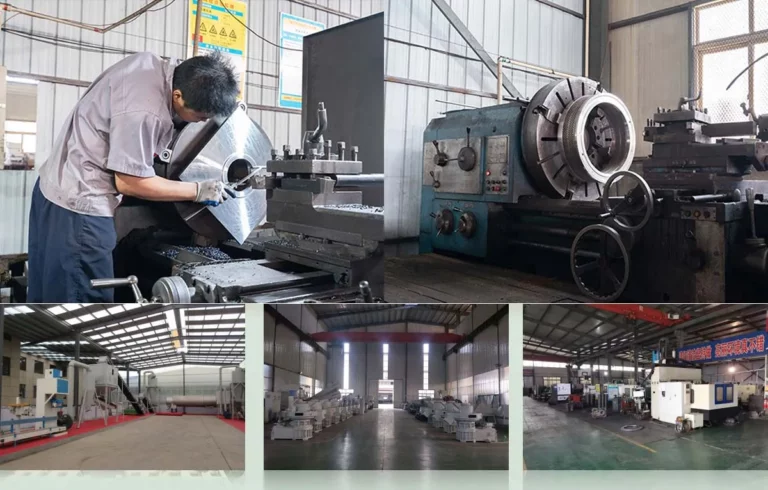
TCPEL supports feed pellet machine model review, production-line configuration, machine testing and export preparation. For a feed project, confirm the prepared ingredients or formula, animal application, required capacity, pellet requirement, daily operating schedule, local power supply and destination before quotation.
Why Choose TCPEL for Feed Pellet Machines?
Practical Model Selection
We recommend models according to formula, output requirement, pellet diameter, working hours and site conditions.
Machine Testing Before Delivery
Machine configuration, die and roller installation, lubrication and basic running condition are checked according to the confirmed order scope.
Single Machine or Complete Line
The machine can be supplied alone or combined with crusher, mixer, conveyor, cooler, screener and packing machine.
Export Support
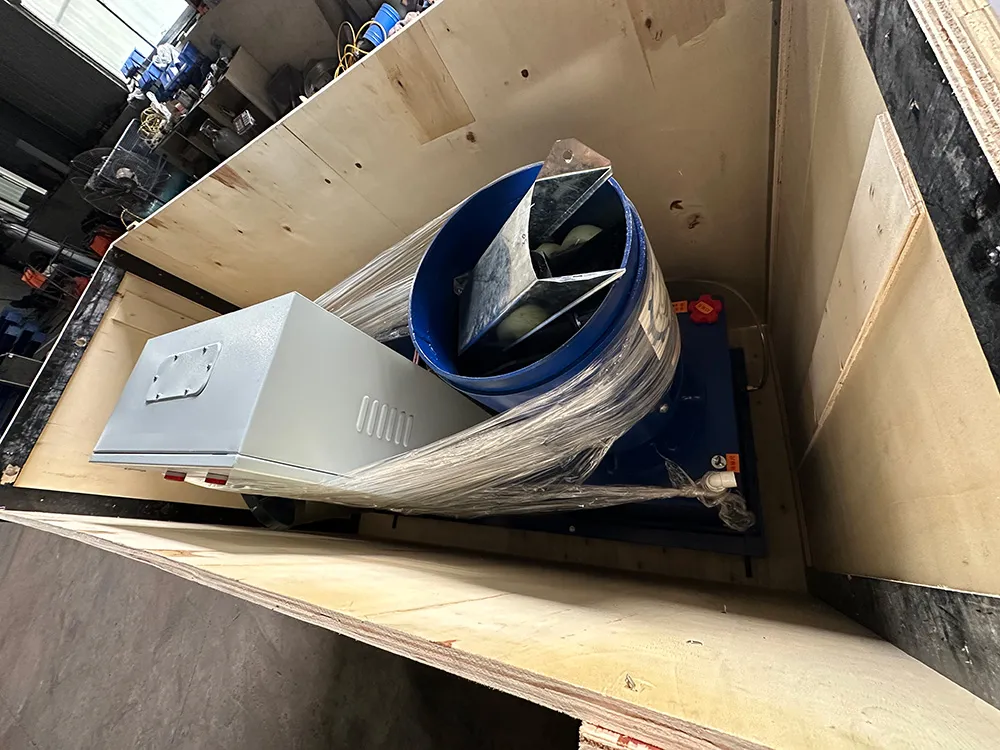
Packing, shipping marks and basic operation guidance can be prepared according to the confirmed order and destination.
Operation Guidance
TCPEL can provide basic operation guidance, maintenance notes and machine photos or videos when required for shipment confirmation.
Quotation Information
Send raw material, required capacity, pellet diameter, voltage, working hours and destination port for a clearer model or line recommendation.
Information Needed for a Feed Pellet Machine Recommendation
Quick Answer
A useful feed pellet machine recommendation starts with the feed and the production job, not with a model number. TCPEL needs to know the animal or feed application, ingredient mix, current material form, moisture condition, required pellet form, expected finished-feed output, power supply, automation preference and whether the request covers only a pellet machine or a configured line. These inputs determine whether the project fits the current TCF inclined-roller feed pellet machine route and which upstream or downstream stages may be needed. If some information is not yet available, send representative material details and state what is still unknown; TCPEL can then identify the next engineering questions without presenting a provisional selection as a guarantee.
Illustration for decision support; not customer-site or performance evidence.
Introduction
This guide is built around one decision: define the project inputs required before TCPEL can recommend a feed pellet machine. It does not replace the current product page, machine manual, project quotation or acceptance agreement. It also does not treat a Baoke model, customer, photograph or historical number as TCPEL proof. The practical logic is reused because it matches TCPEL’s experience; product data and publication evidence remain controlled by current TCPEL sources.
Start with the feed job, not the machine label
Two buyers can ask for a feed pellet machine and still need different engineering routes. The finished feed application affects ingredient handling, conditioning decisions and the pelletizing duty. The same model name cannot resolve differences in raw material form, formula behavior, operating schedule or required project scope. For this reason, the first recommendation should define the job to be done before it narrows the machine family.
TCPEL’s current feed route is the TCF inclined-roller feed pellet machine family. That identifies the product family, but not the final model or line configuration. The current specification record is model-specific and the actual order and nameplate remain controlling. A selection statement should therefore stay conditional until the project inputs are complete.
The input set that changes the recommendation
| Project input | Why it matters | Safe first-contact description |
|---|---|---|
| Feed application | Establishes the process objective and prevents fuel-pellet assumptions | Animal or feed use, without making nutrition claims |
| Ingredient and formula context | Affects preparation and pelletizing behavior | Main ingredients and whether a nutritionist controls the formula |
| Current material form | Shows whether grinding or other preparation may be required | Whole, chopped, meal, powder or mixed form |
| Moisture condition | Helps decide whether the material is ready for the intended process | Measured condition and sampling method if available |
| Finished pellet requirement | Defines the requested physical output | Intended pellet use and requested diameter or form |
| Finished-feed output | Separates machine throughput from the required line result | Required hourly or daily finished output |
| Project scope | Prevents a machine-only quote from being read as a complete plant | Standalone machine, selected modules or configured line |
| Site conditions | Affects electrical and installation planning | Power supply, location and available space |
Machine-only and line requests are different
A standalone pellet machine request assumes the buyer already understands and controls the required material preparation, feeding and product handling. A configured feed line may include receiving, grinding, conveying, pelletizing and electrical control as required stages, with dosing, mixing, cooling, screening, fines handling, storage and packing added only when the project needs them. Optional stages are not automatically included, and full EPC, civil works, utilities, permits and local labor are not automatically part of TCPEL’s supply.
This distinction belongs in the recommendation itself. It prevents a buyer from comparing a bare machine quotation with a system quotation as if they represented the same delivery boundary.
A practical recommendation workflow
Begin with a short input sheet and identify missing information. Confirm whether the feed application and formula responsibility are understood. Check whether the material already meets the preparation requirements of the intended pelletizing route. Separate finished-feed output from the capacity of any individual machine. Then identify the current TCF route and the project modules that require engineering review. The final recommendation should record its assumptions so that a later change in formula, material form, output target or packing requirement is visible rather than silently absorbed into the quote.
Common mistakes that weaken a request
Buyers often send only a desired machine name, copy a competitor’s model, or describe annual demand without stating the operating schedule. Another common mistake is to omit the current material form and assume every ingredient can enter the pellet mill directly. Some requests combine pelletizing, grinding, cooling and packing capacity into one number, which hides the system bottleneck. A useful request separates these metrics and makes uncertainty explicit.
TCPEL practical experience
In practical project work, the quality of the first recommendation depends heavily on the quality of the input boundary. Material condition, formula responsibility, finished-feed target and line scope should be visible before model selection. This experience is directly applicable, while any model, output, power or dimensional data must come from the current TCPEL source for the selected machine and project.
Common mistakes
- Choosing a model before defining the feed application.
- Treating a standalone pellet machine as a complete feed line.
- Using an ingredient list as a substitute for a controlled formula.
- Combining machine and finished-line output into one undefined figure.
Project and evidence notes
Before publication, the implementation team should preserve the exact source map, verify every selected TCPEL asset visually, and keep model-specific data on its canonical product owner. If a buyer supplies an unfamiliar or highly variable material, a representative sample or project test may be required. No image, test or shipment record should be described as a completed customer result unless TCPEL has the corresponding first-party record and publication permission.
Frequently asked questions
Can TCPEL recommend a feed pellet machine from the animal type alone?
No. The animal or feed application is one input, but material form, formula context, moisture, pellet requirement, output target, power and project scope also affect the route.
Do I need a finished formula before the first conversation?
You may start with the ingredients and known formulation responsibility, but TCPEL does not create or guarantee nutrition. The customer, nutritionist or project party controls the formula.
Is a feed pellet machine quotation the same as a complete line quotation?
No. A machine-only scope and a configured production-line scope include different equipment, controls, services and assumptions.
What if the material condition is unknown?
State that it is unknown and provide representative samples, photos or measurements when available. The recommendation should identify the missing engineering check rather than assume readiness.
Will the first recommendation guarantee output?
No. Any output statement must be tied to the selected current model, material, operating condition and project definition.
Request a Feed Pellet Machine Recommendation
Request a Feed Pellet Machine Recommendation
Send your feed application, ingredients, current material form, moisture condition, finished-feed target, pellet requirement, power supply and machine-only or line scope. WhatsApp, email and message remain the preferred first-contact routes.
Related TCPEL resources
Feed Pellet Machine Guide and FAQ
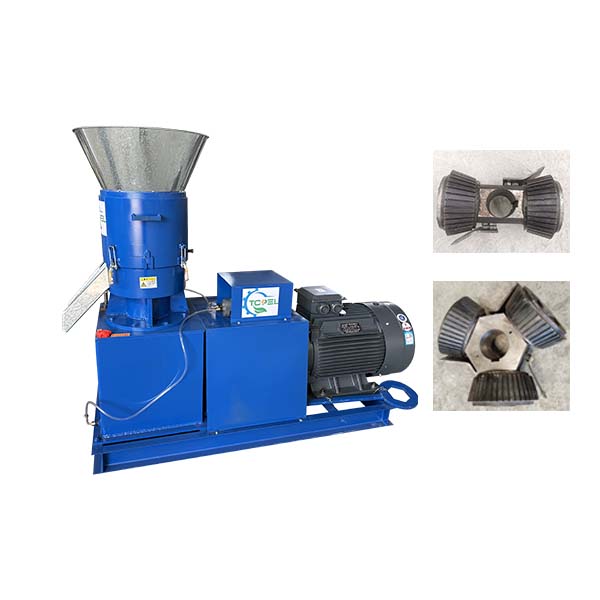
Máquina de pelotização de ração compresses prepared feed materials into pellets for poultry, cattle, sheep and other livestock. Stable production requires suitable particle size, uniform mixing and proper moisture.
What Is a Feed Pellet Machine?
A feed pellet machine is the pelletizing component that compresses correctly prepared animal-feed ingredients through the ordered die. TCPEL’s current TCF Series uses an inclined-roller, stationary-flat-die design for verified poultry and livestock applications.
How the TCF Pelletizing Core Works
Prepared feed material is supplied steadily to the die-and-roller assembly, where it is formed into the ordered pellet specification. Formula, ingredient condition, die selection, feeding stability and operating conditions influence component output.
How to Choose a TCF Model
- Formula and ingredients: confirm the feed formulation and prepared-material condition.
- Required component output: compare the project target with verified model-specific output.
- Ordered die: select from the approved 2, 3, 4, 5, 6, 7, 8 and 10 mm TCF die-hole options for the confirmed pellet specification.
- Operating plan: confirm daily working hours and feeding stability.
- Electrical configuration: confirm voltage, frequency and phase for the destination.
Verified Model-Specific Examples
Current examples include TCF250 at 600–800 kg/h, TCF300 at 800–1000 kg/h, TCF350 at 1000–1200 kg/h, TCF400 at 1400–2000 kg/h, and TCF550 at 2500–3500 kg/h. These are pellet-machine component outputs, not complete-line capacity.
Standalone Machine or Complete Feed Line?
A standalone TCF machine is appropriate when the required upstream preparation and downstream interfaces already exist. Projects that need connected receiving, size reduction, conveying, control and selected downstream modules should review the complete feed pellet production line.
Pellet Diameter Guidance for Animal Feed
TCF Series die holes are available in the approved ordered sizes 2, 3, 4, 5, 6, 7, 8 and 10 mm. The ordered die should be selected for the confirmed animal application, feed formula, ingredient condition and required pellet specification.
These are official TCF Series die-hole options. They should not be treated as universal animal-to-diameter recommendations or confused with unverified market guidance.
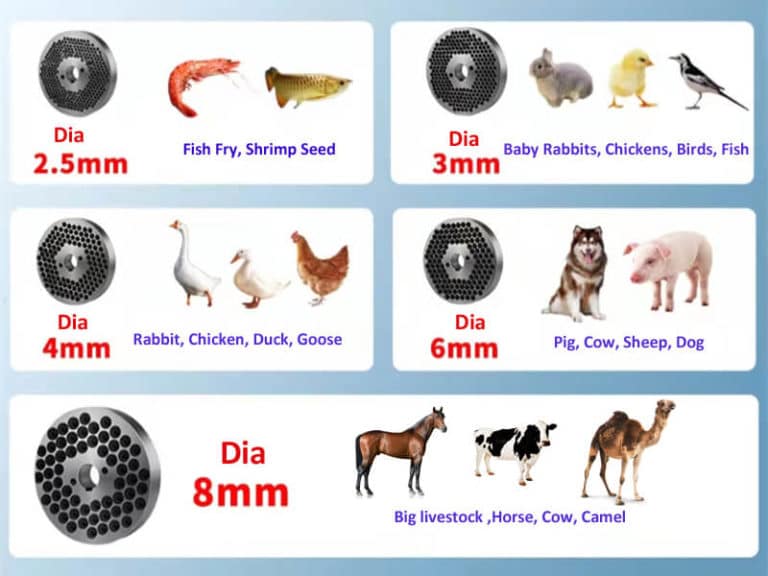
Feed Pellet Applications
TCPEL feed pellet machines are intended for prepared poultry and livestock feed materials. For supporting application detail, review the animal feed pellet machine guide, cattle feed pellet machine options e chicken feed pellet machine options.
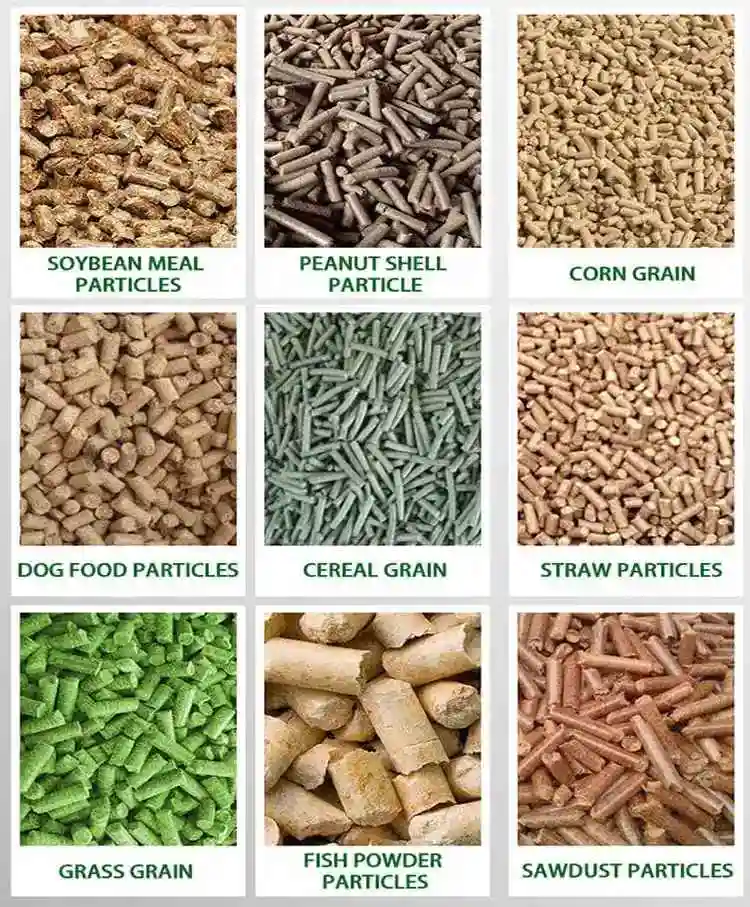
How to Choose a Feed Pellet Machine
Choose the TCF model and project scope in a feed-specific sequence. Final selection should be confirmed against the prepared ingredients, formula and operating requirements.
- Feed formula and raw material: identify the prepared ingredients and their condition before pelleting.
- Animal and feed application: confirm whether the project serves poultry, cattle or another supported livestock feed application.
- Required capacity and operating schedule: define the hourly requirement and planned daily operating time.
- Target pellet requirement: confirm the ordered die and target pellet with the feed formula.
- TCF model and power supply: review the suitable model and confirm the destination-market electrical configuration for the order.
- Machine or line scope: decide whether the project needs a standalone feed pellet machine or upstream and downstream equipment.
Decision path: Feed formula or prepared ingredients → animal and feed application → required capacity and operating schedule → target pellet requirement → TCF model and local power-supply review → standalone machine or complete feed pellet line.
Feed Formula and Raw-Material Condition
Use prepared animal-feed ingredients rather than wood, sawdust or biomass fuel. Crushing and mixing requirements depend on the ingredient condition and formula.
Animal and Feed Application
Confirm the animal application and feeding purpose so the machine and ordered die can be reviewed in the correct feed-production context.
Required Capacity and Operating Schedule
Compare the verified TCF model table with the required hourly output and planned working schedule. A model should not be selected from nominal capacity alone.
Pellet Requirement and Power Supply
Confirm the target pellet requirement, local power standard and order configuration before production. Do not treat one voltage or die option as a universal standard for every project.
Standalone Feed Pellet Machine vs Complete Feed Line
A standalone feed pellet machine can be suitable when the buyer already has correctly prepared and mixed ingredients. If the project also needs grinding, mixing, conveying, cooling, screening or packing, evaluate a complete feed pellet production line instead of sizing only the pellet machine.
Feed Preparation and Downstream Equipment
When feed ingredients need size reduction, review feed ingredient grinding with a hammer mill. Continuous projects may also need equipment to cool pellets before screening and packing and dedicated feed pellet packing equipment. For process context, see the animal feed pellet production process.
Feed Pellet Machine FAQ
What type of pellet machine is used for animal feed?
The TCF series is an inclined-roller feed pellet machine family with a stationary flat die for prepared animal-feed materials.
How do I choose feed pellet machine capacity?
Start with the required hourly output and operating schedule, then review the verified model table together with the feed formula, prepared-material condition and target pellet requirement.
Can one feed pellet machine process different feed formulas?
A model may be reviewed for different prepared feed formulas, but material condition, die selection and operating settings must be confirmed for the actual project.
Do I need a mixer before a feed pellet machine?
Mixing is relevant when the formula contains multiple ingredients or additives and uniform preparation is required before pelleting.
When do I need a complete feed pellet line?
Evaluate a complete line when the project requires ingredient preparation, conveying, cooling, screening or packing in addition to pelleting.
Request a Feed Pellet Machine Recommendation
Send your feed formula or prepared ingredients, required capacity, target pellet diameter, animal or feed application, local power supply, daily operating schedule and project scope. TCPEL will review the suitable TCF model and whether your project needs a standalone machine or a complete feed pellet line.
TCF Videos, Images and Product Examples
TCF400 Feed Pellet Machine Working Video
Vídeo de funcionamento da máquina de pelotização de ração TCF400
Diferença entre a peletizadora de ração de rolo inclinado e a peletizadora de ração de rolo plano
Como trocar a matriz plana e o rolo da peletizadora de ração?
Vídeo de funcionamento da máquina de pellets de ração
Vídeo de funcionamento da máquina de pelotização com rolo inclinado
Máquina de pelotização de ração TCF150
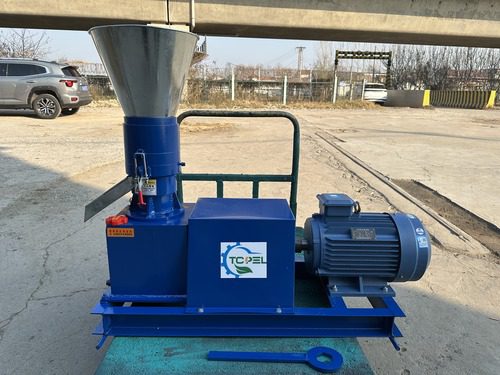
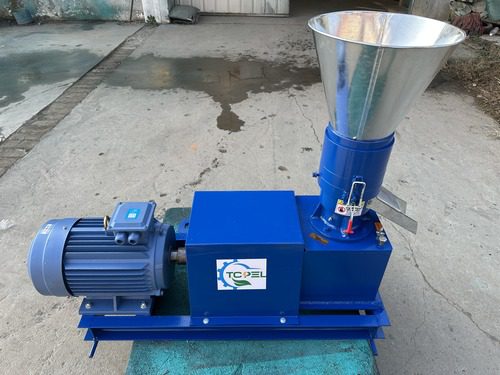
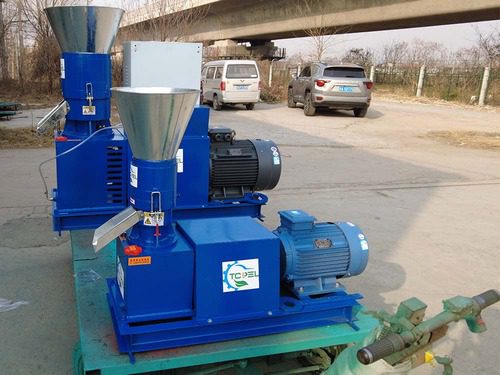
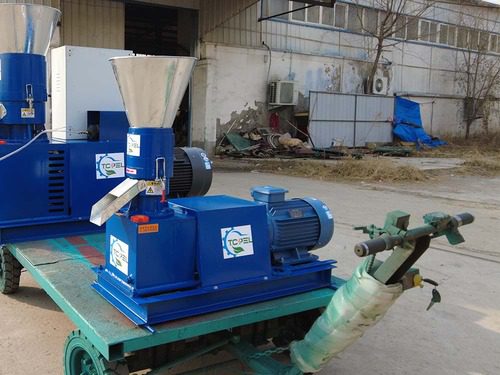
Máquina de pelotização de ração TCF250
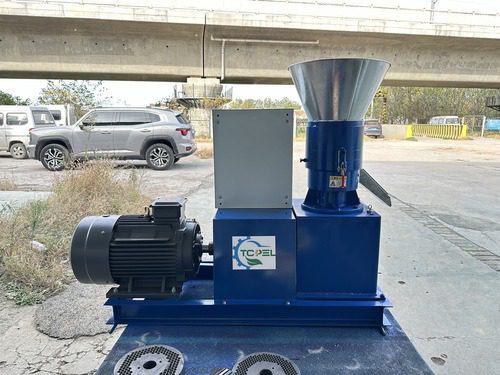
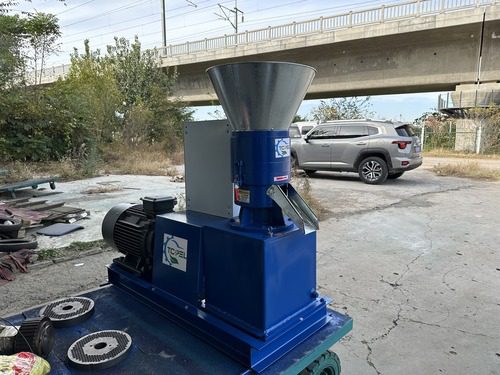
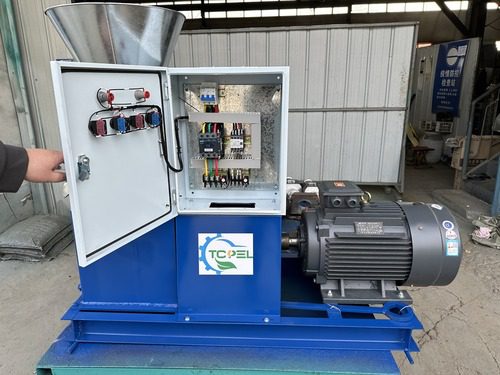
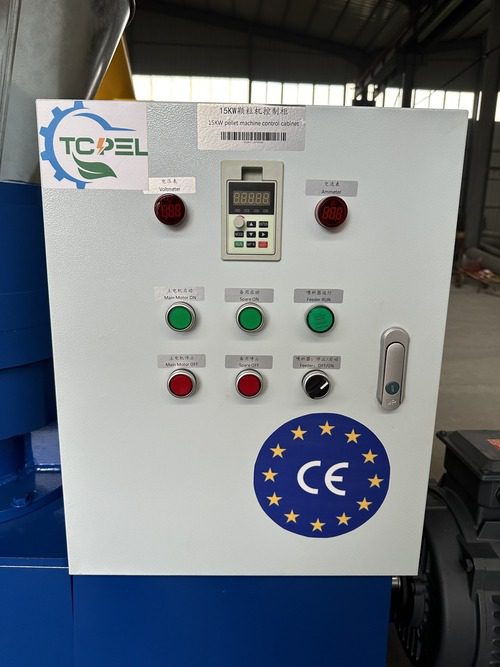
Feed Pellet Machine TCF250D With Diesel Engine
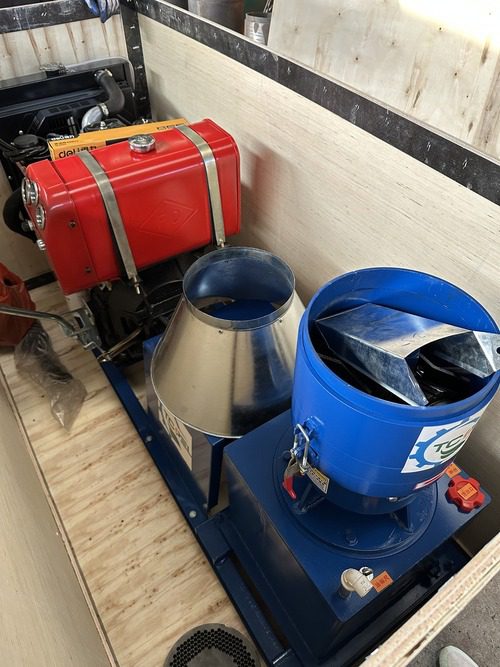
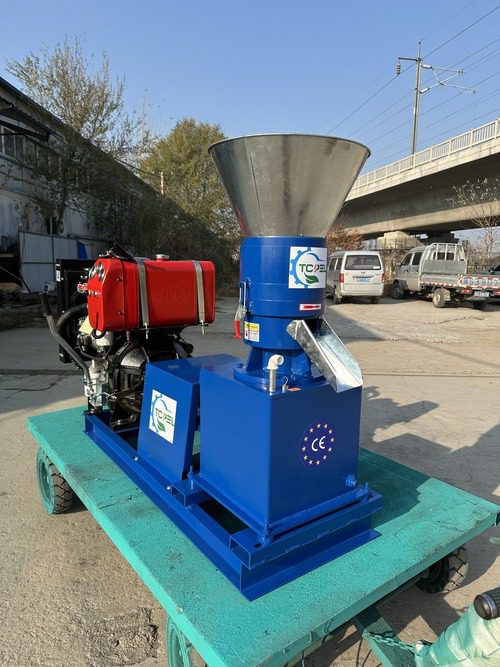
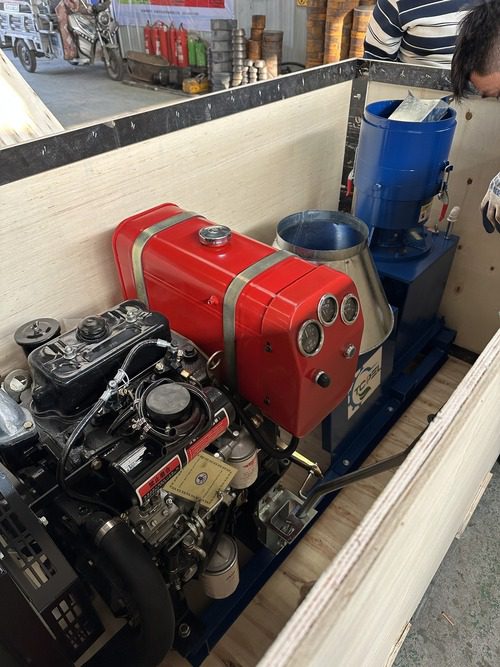
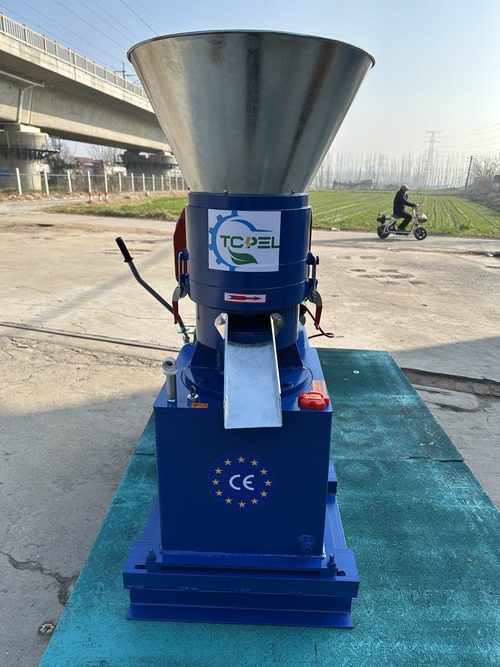
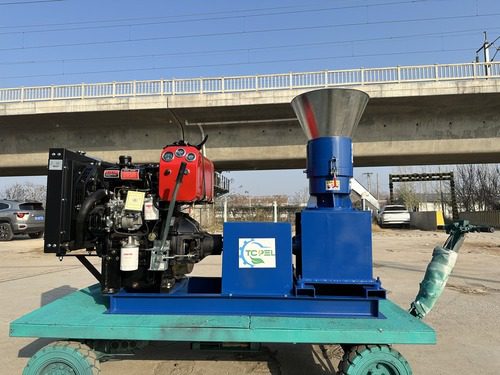
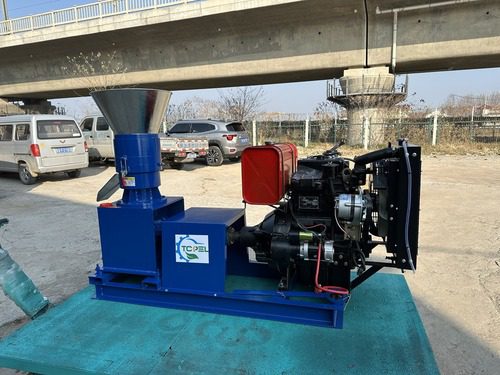
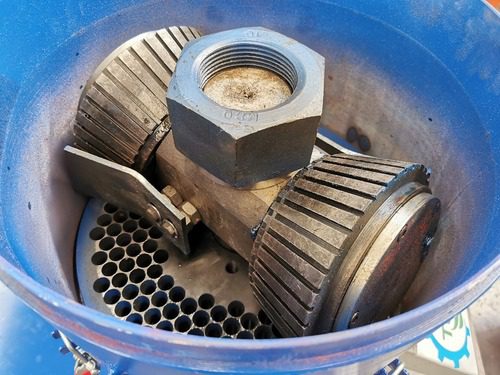
Feed Pellet Machine TCF300
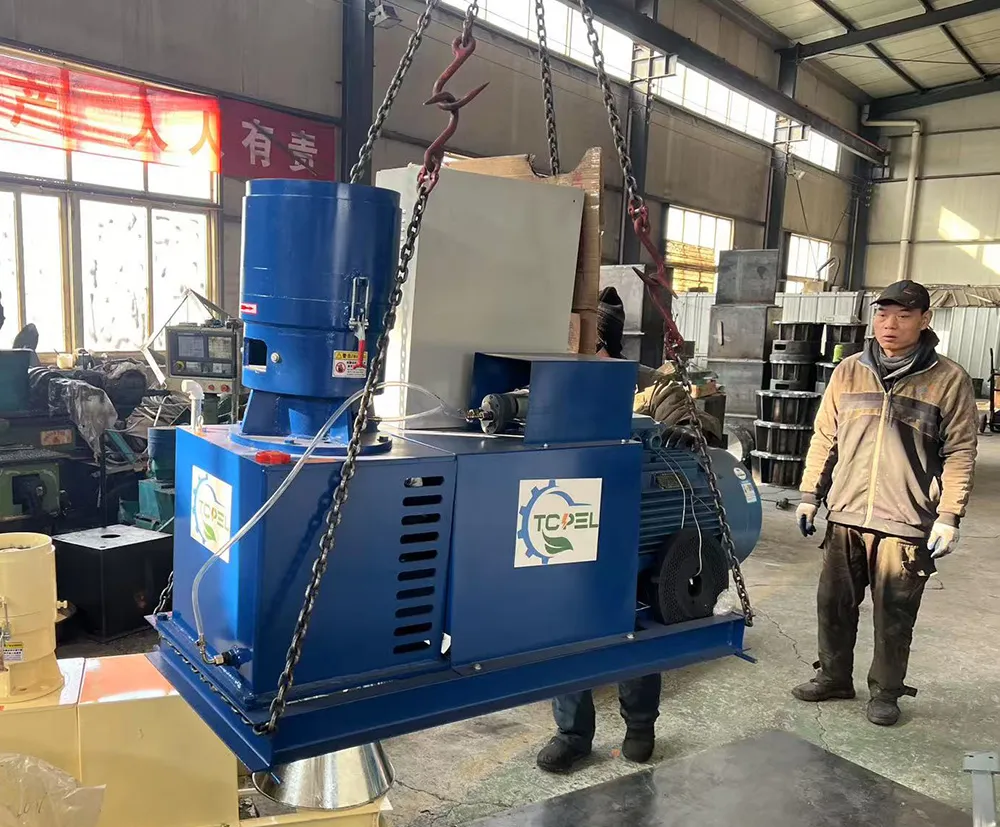
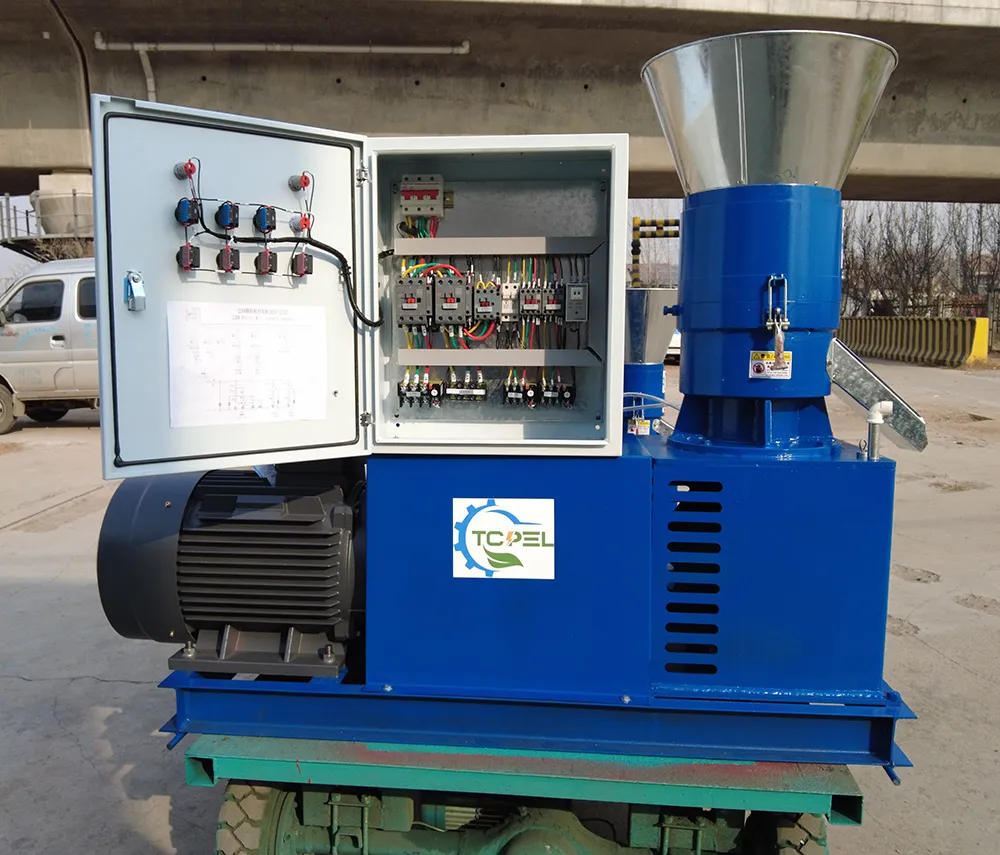
Feed Pellet Machine TCF350
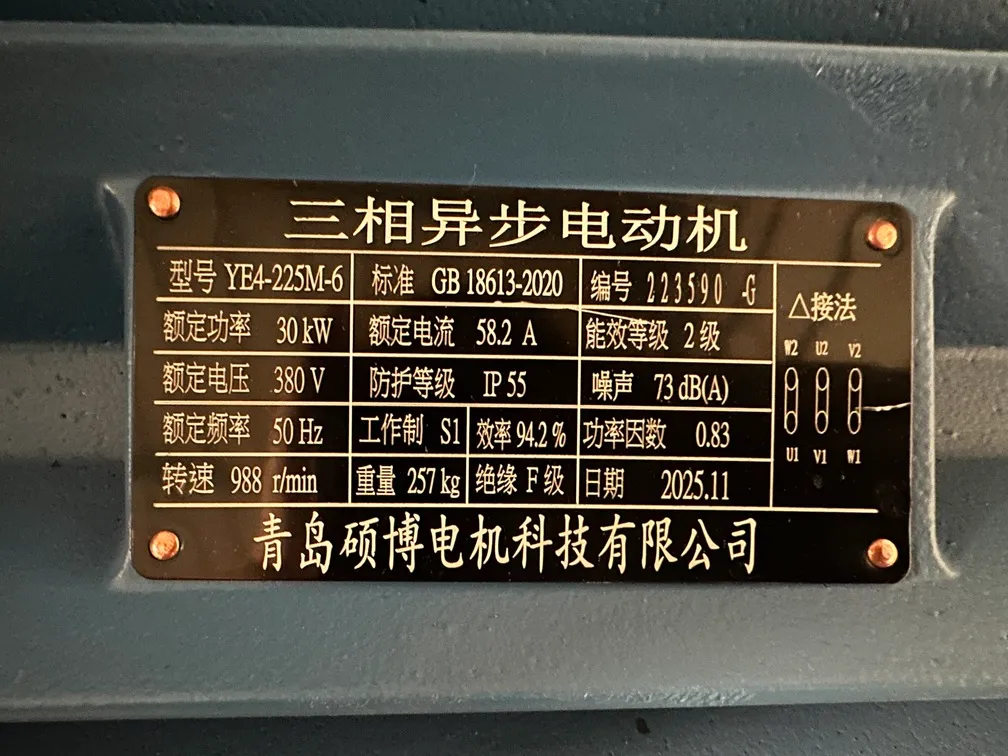
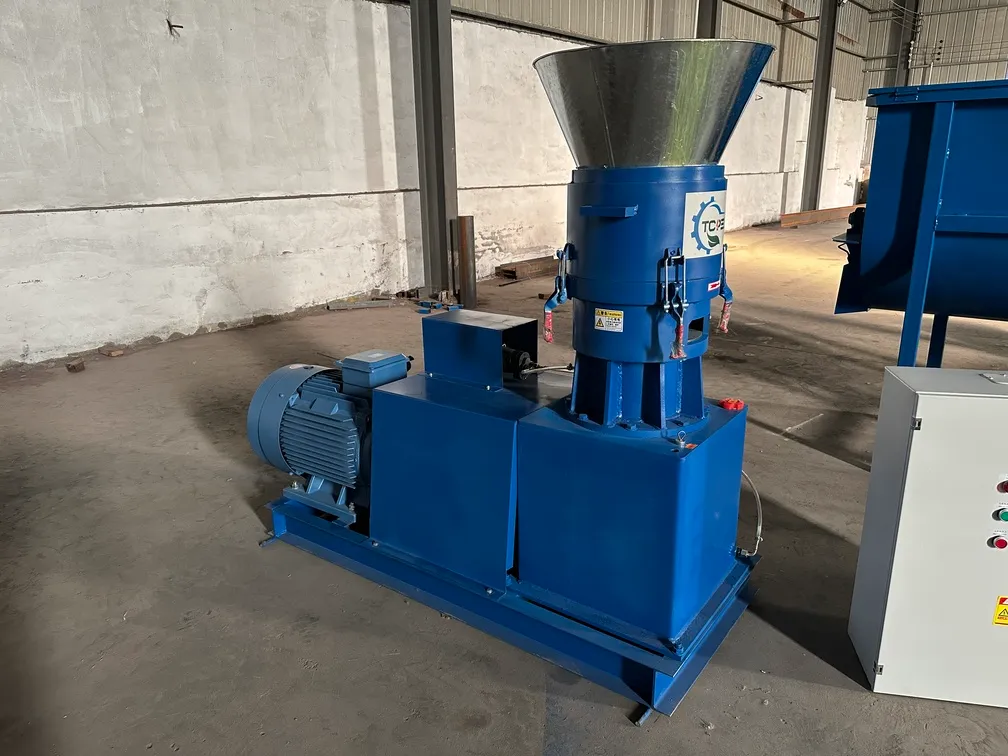
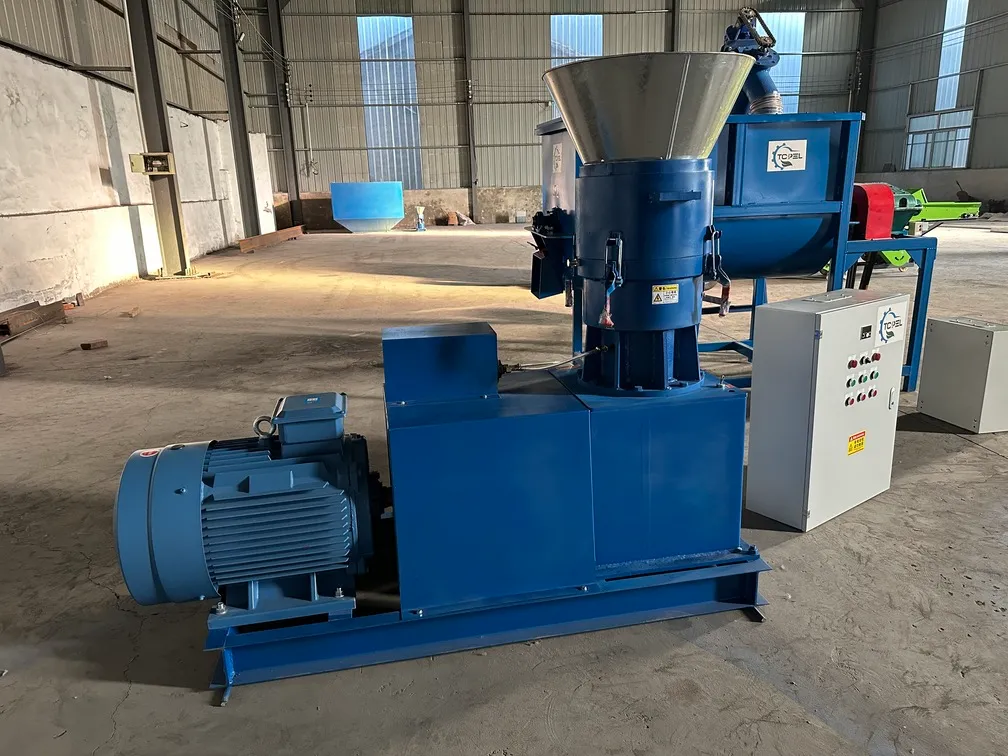
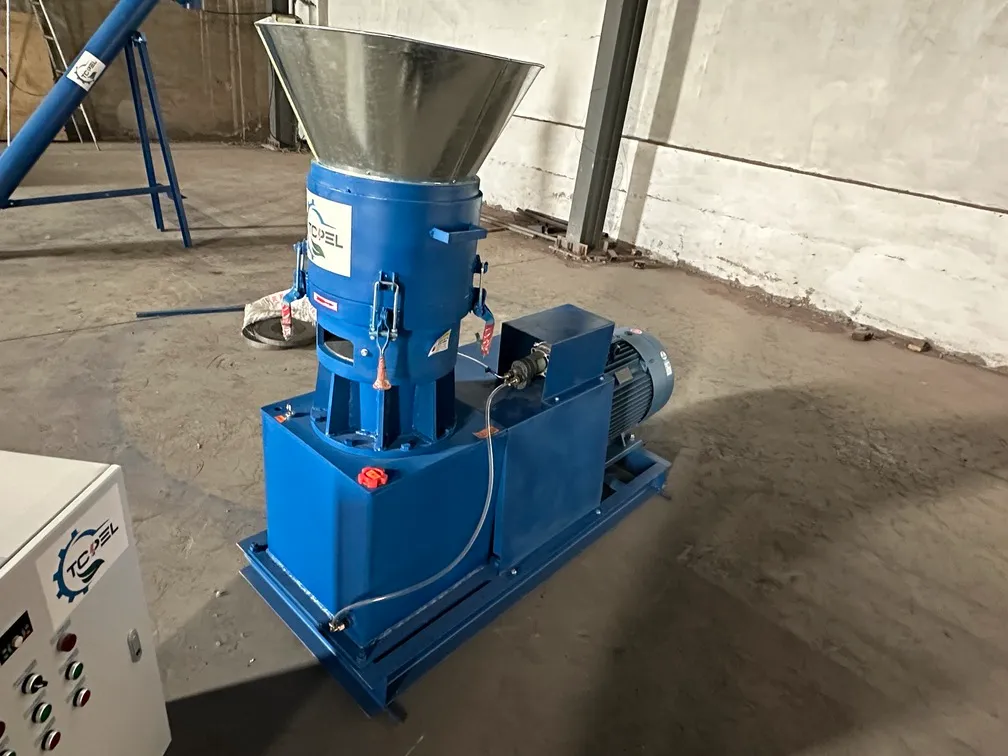
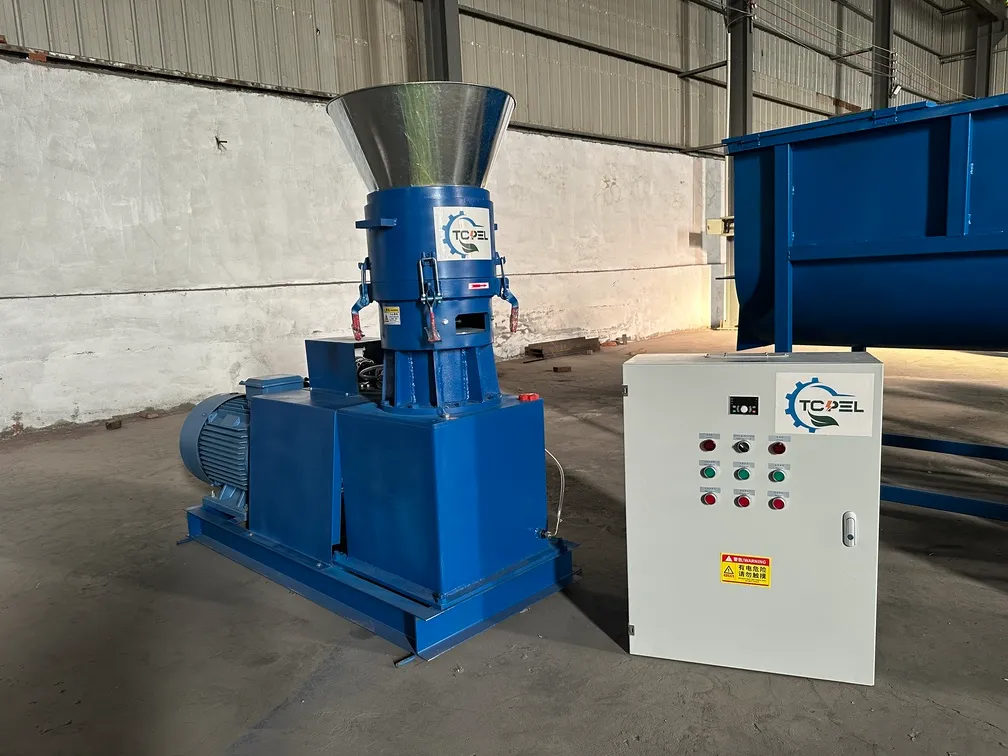
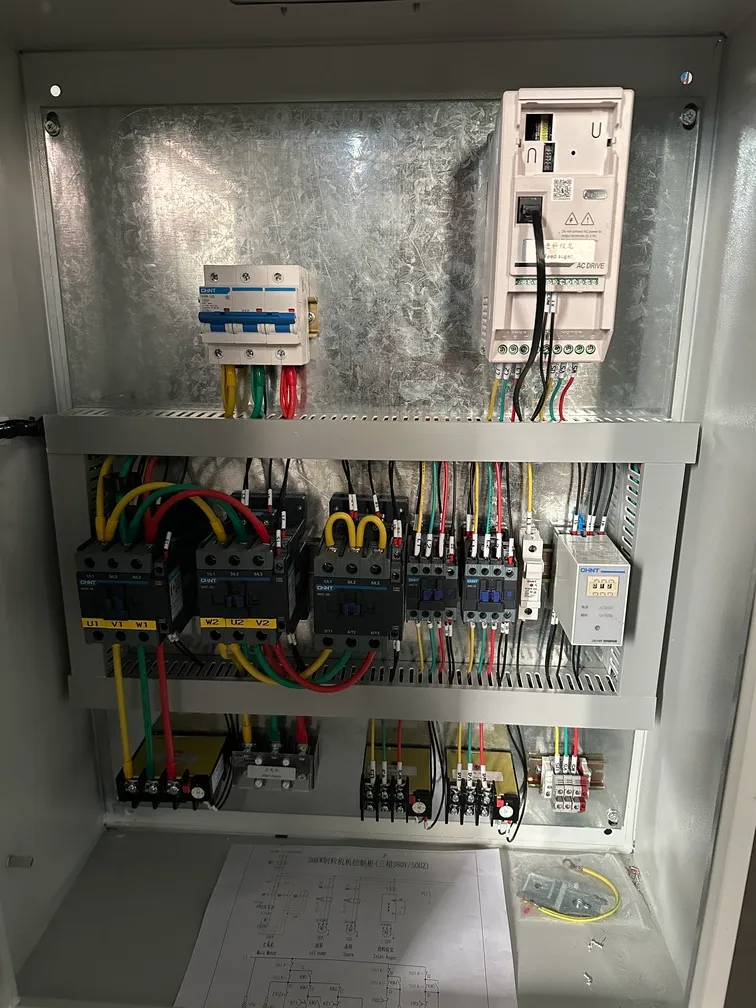
Máquina de pelotização de ração TCF400
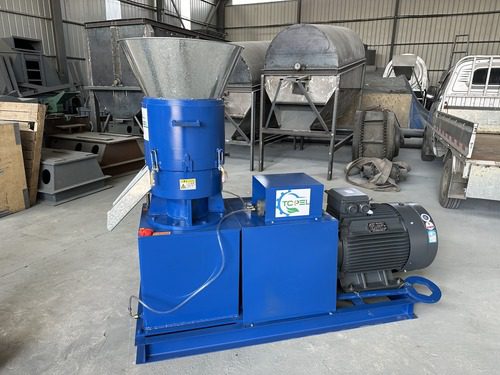
Feed Pellet Machine TCF450
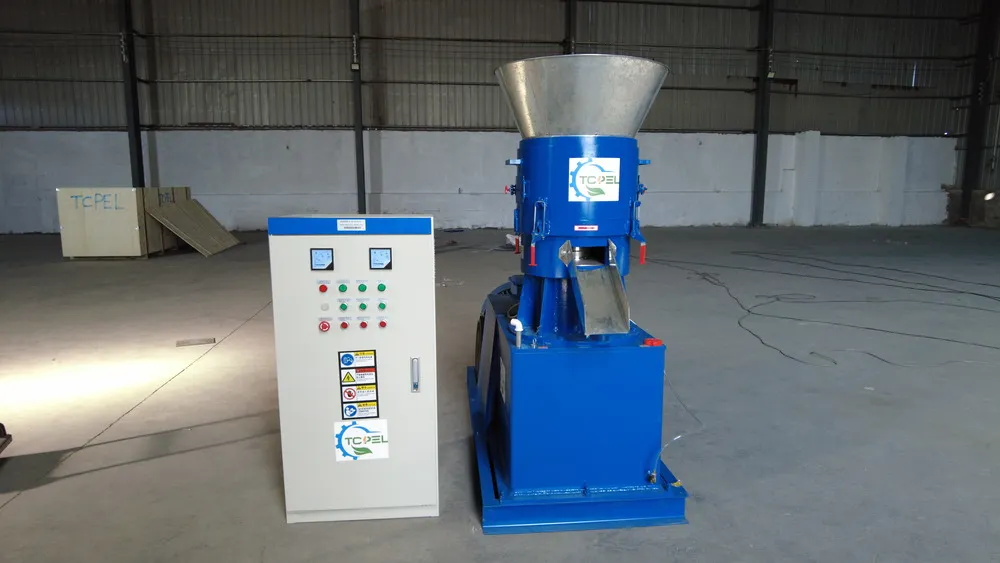
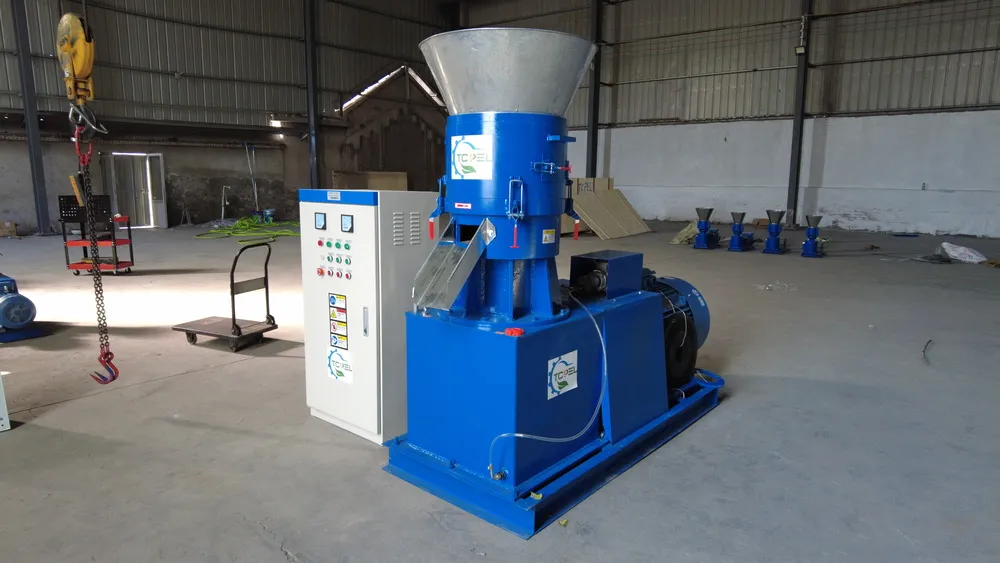
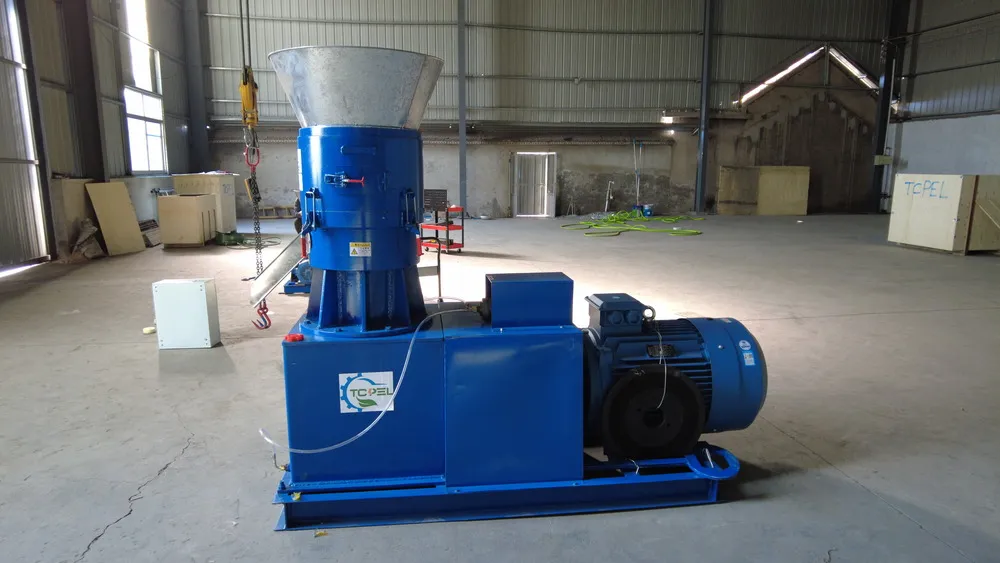
Feed Pellet Machine TCF650
 Português do Brasil
  English
  Español de México
  Bahasa Indonesia
  العربية
  Français
  Русский
  Italiano