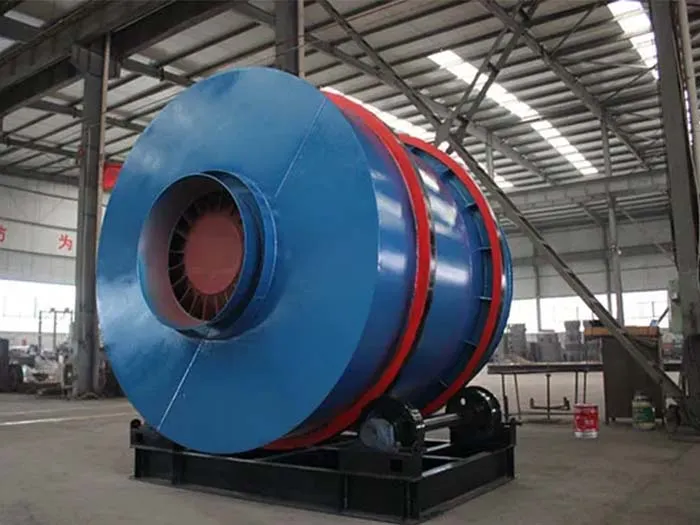
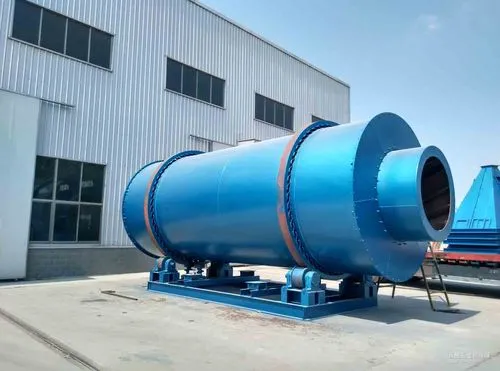
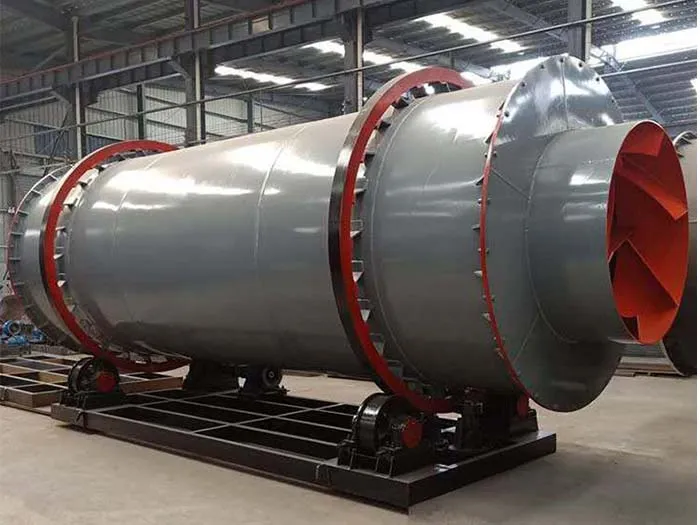
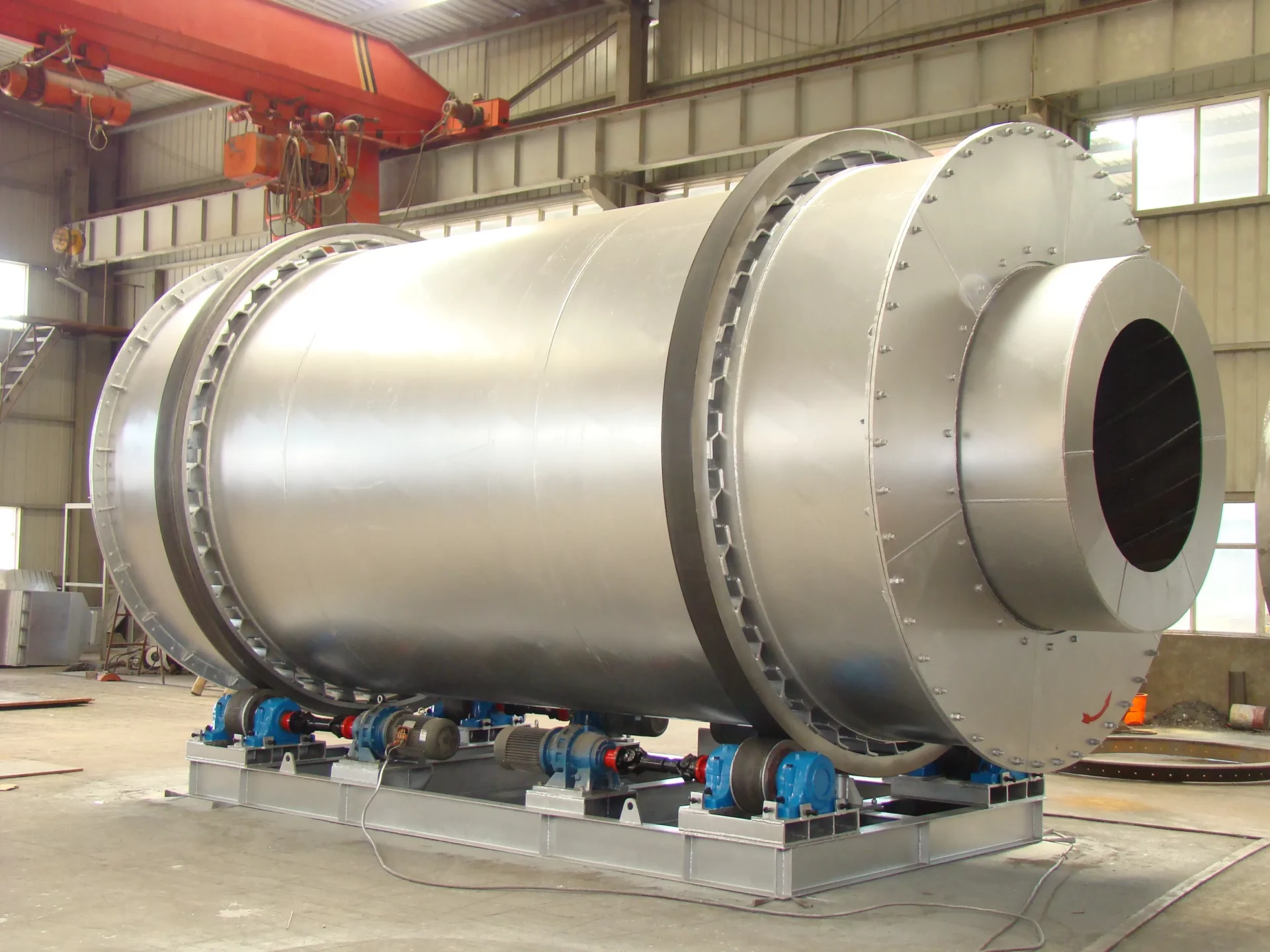
Rotary Dryer Machine for Sawdust, Biomass and Bulk Materials
Industrial rotary drum dryer for biomass, fertilizer, minerals and bulk material drying projects
Rotary Dryer Selection Guide

A rotary dryer should be selected by moisture removal load, material behavior, heating method and line layout. Before choosing a model, confirm the material name, particle size, initial moisture, target final moisture, hourly capacity and available heat source.
For biomass, fertilizer, mineral and other bulk material projects, TCPEL can review the material condition and recommend whether a single rotary dryer or a complete drying line is more suitable.
What Is a Rotary Dryer?
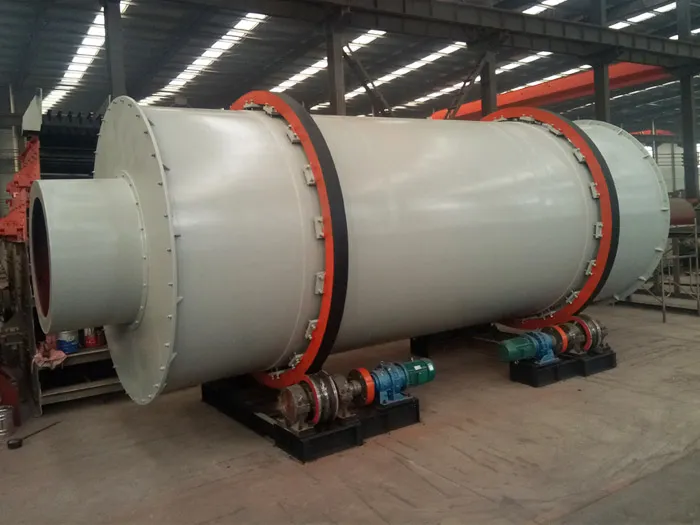
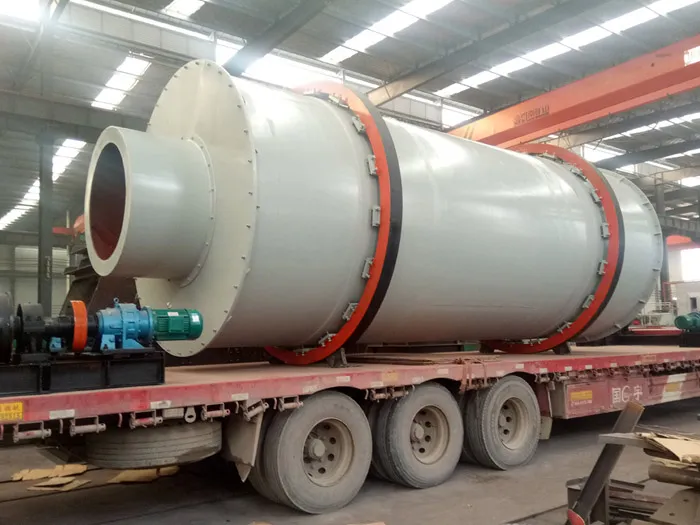
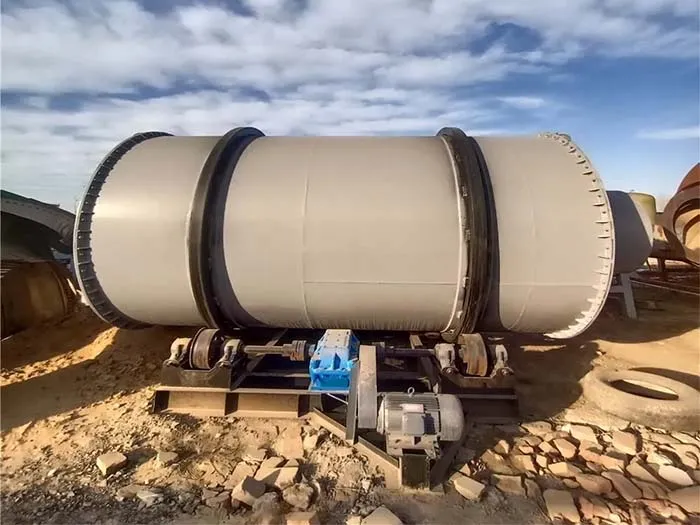
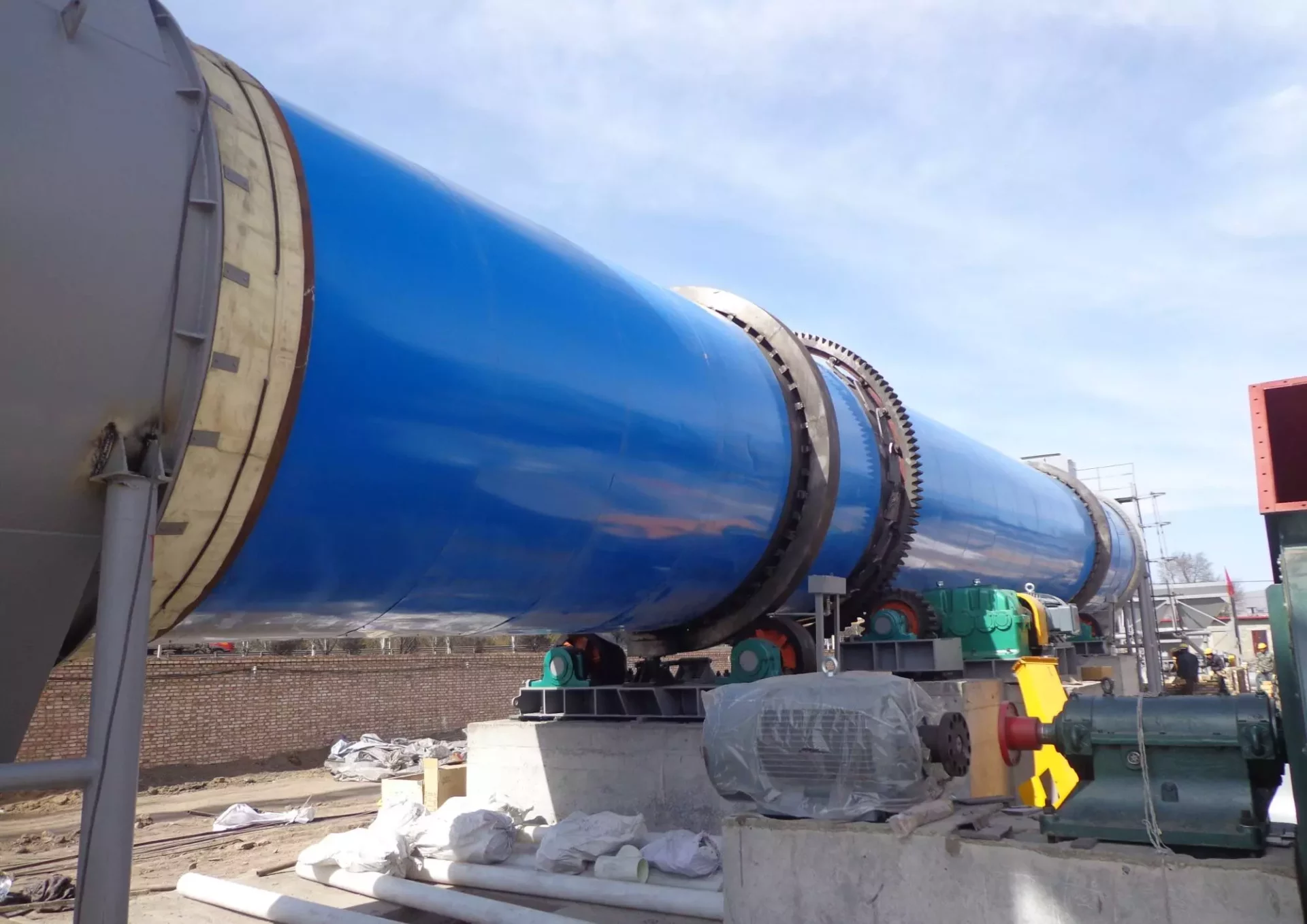
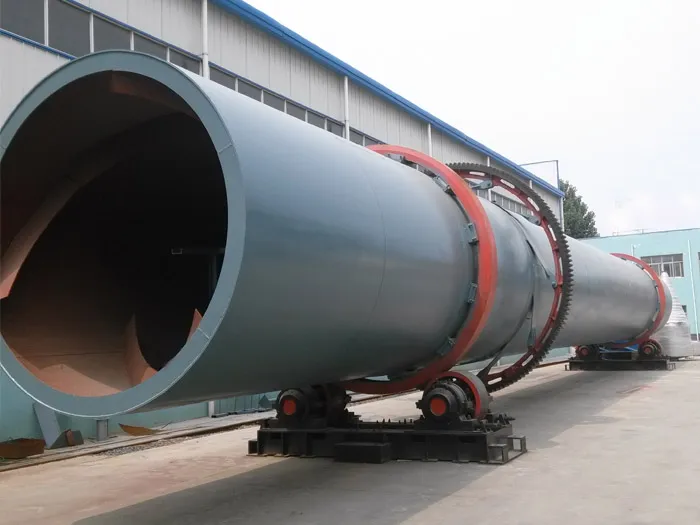
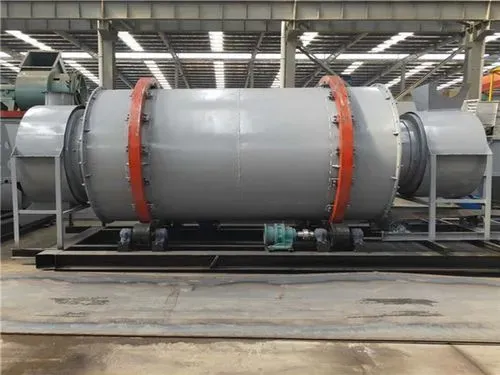
A rotary dryer is an industrial drying machine that uses a rotating drum and hot air flow to reduce the moisture of bulk materials. It is commonly used before pelletizing, fuel preparation, fertilizer processing, mineral handling, storage or packing.
How a Rotary Dryer Works
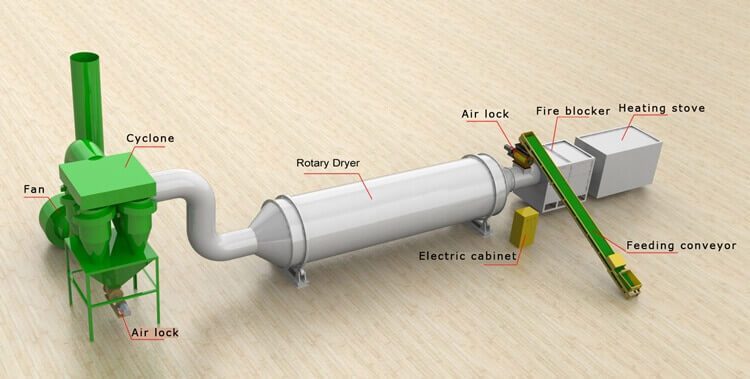
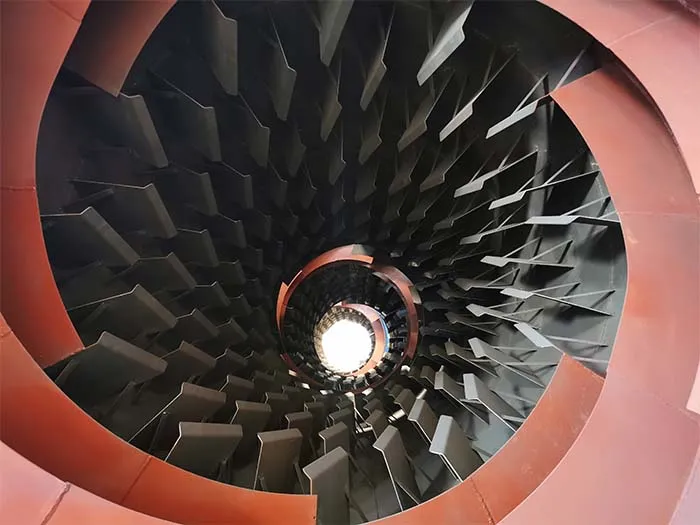
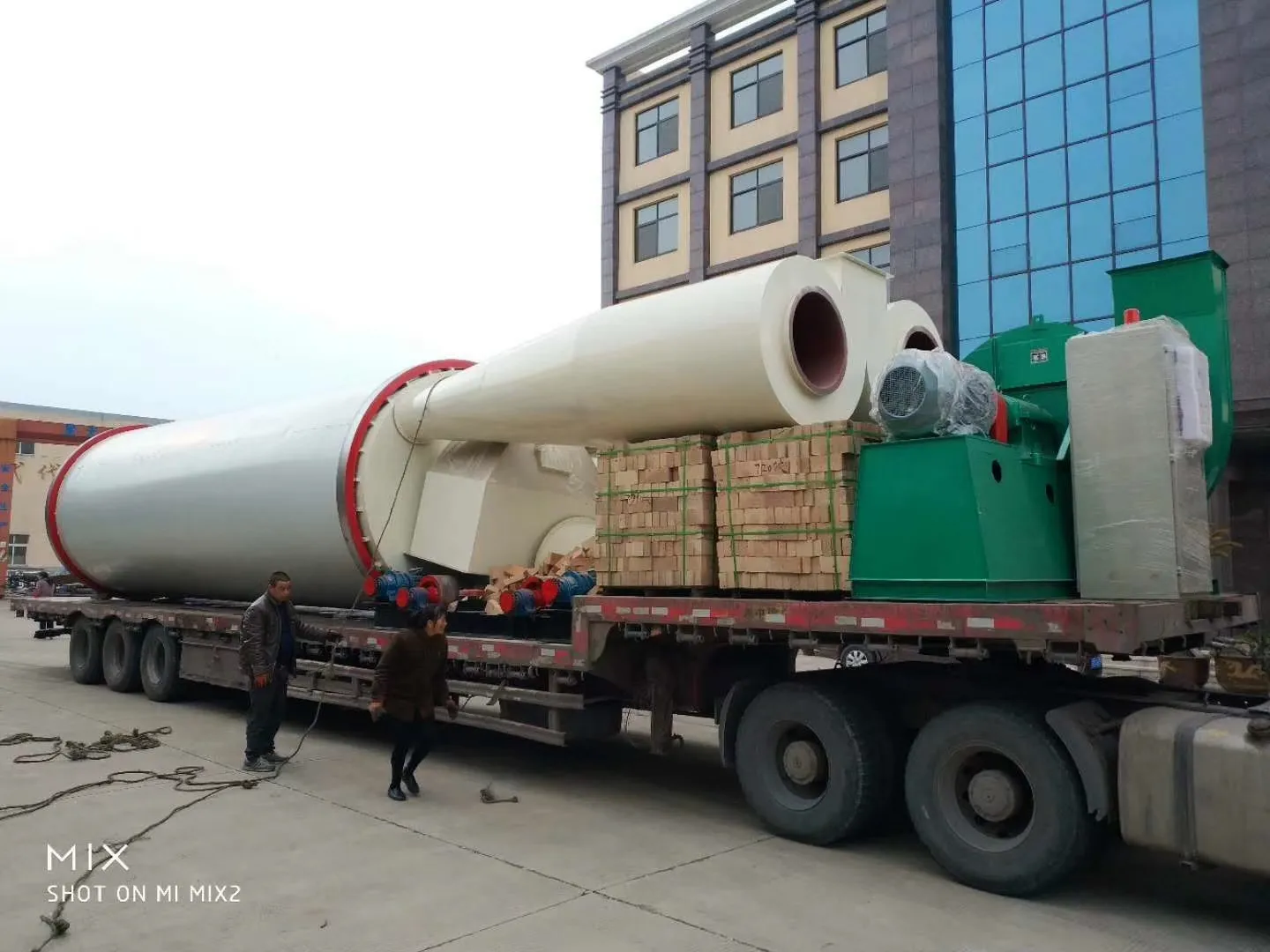
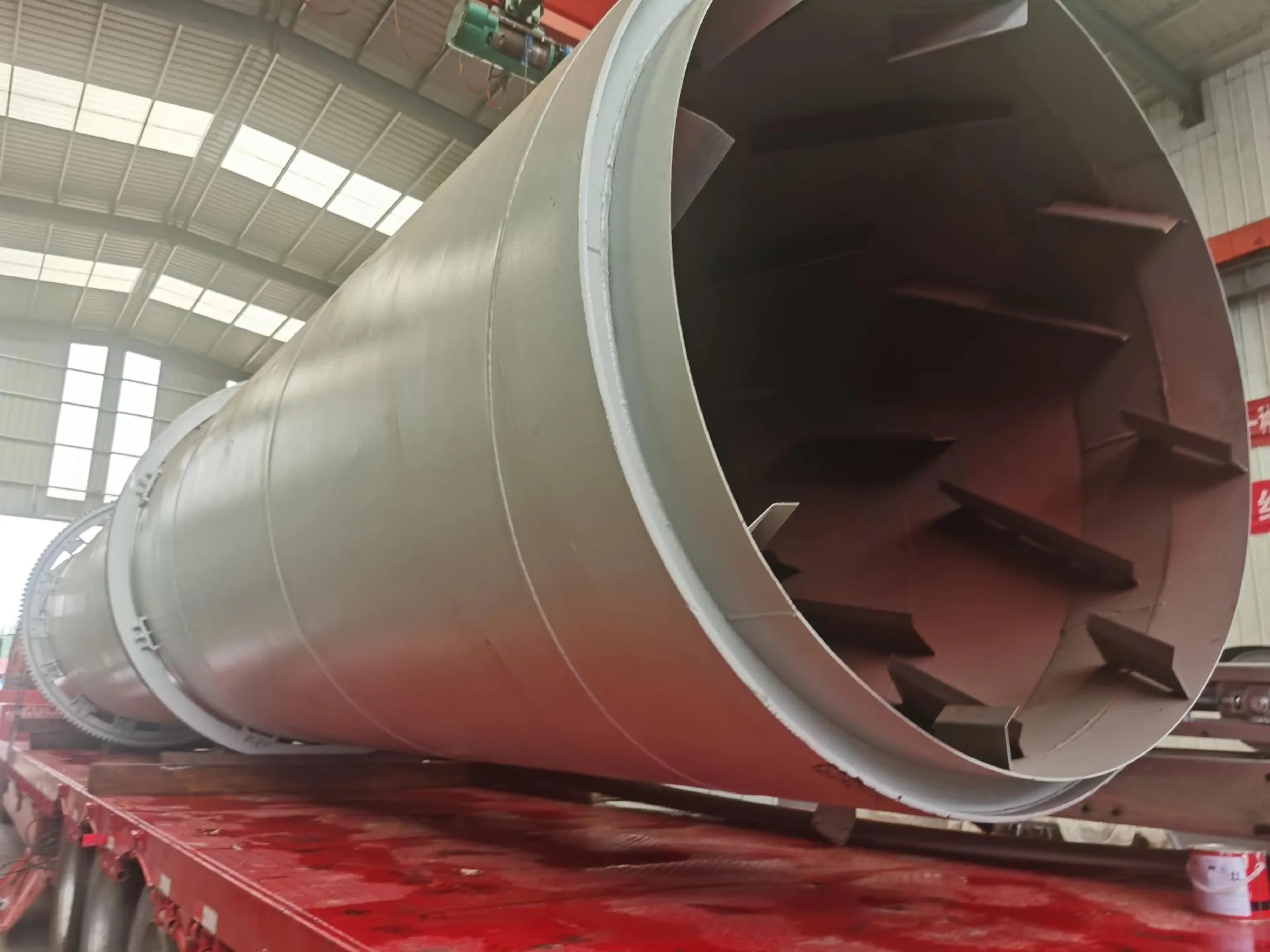
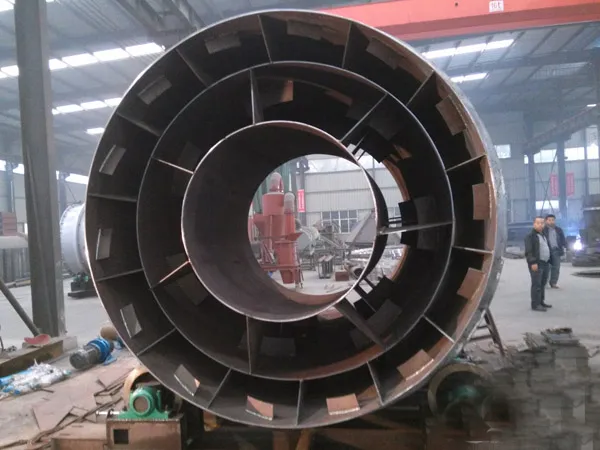
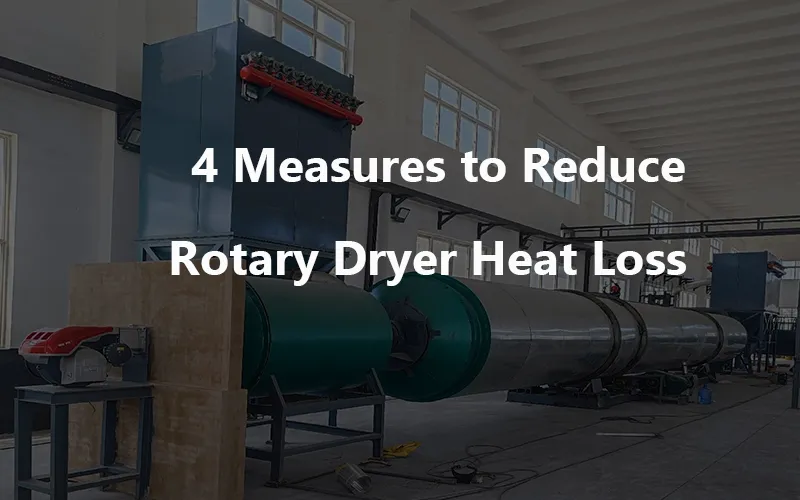
Prepared material enters the drum through a feeding system. As the drum rotates, lifting plates move the material through the hot air stream so moisture can evaporate. Dried material is discharged at the outlet, while dust and fine particles can be collected through cyclone or pulse dust collection equipment.
Direct and Indirect Heating
In direct heating, hot air contacts the material directly. This is common for many biomass and bulk material drying projects. Indirect heating separates the heat source from the material and may be considered when material sensitivity or process requirements make direct contact unsuitable.
Rotary Dryer Design Checklist
- Raw material name, particle size and feeding condition.
- Initial moisture and target final moisture.
- Hourly capacity and daily working hours.
- Available heat source and local emission requirements.
- Installation space, feeding height, discharge height and dust collection layout.
- Connection with crusher, pellet machine, cooler, screener or packing machine.
What to Send Before Quotation
To prepare a practical rotary dryer recommendation, send material photos or videos, moisture data, target capacity, heat source, voltage, destination port and whether you need only the dryer or a complete drying line.
Macchina essiccatrice a tamburo rotante TCPEL Introduzione
A rotary dryer machine reduces moisture in prepared biomass, wood chips, sawdust, fertilizer, minerals and other bulk materials before pelletizing, storage, combustion or downstream processing.
TCPEL helps buyers confirm raw material condition, initial moisture, target final moisture, hourly capacity, heat source, installation space, dust collection and complete line requirements before recommending a dryer configuration.
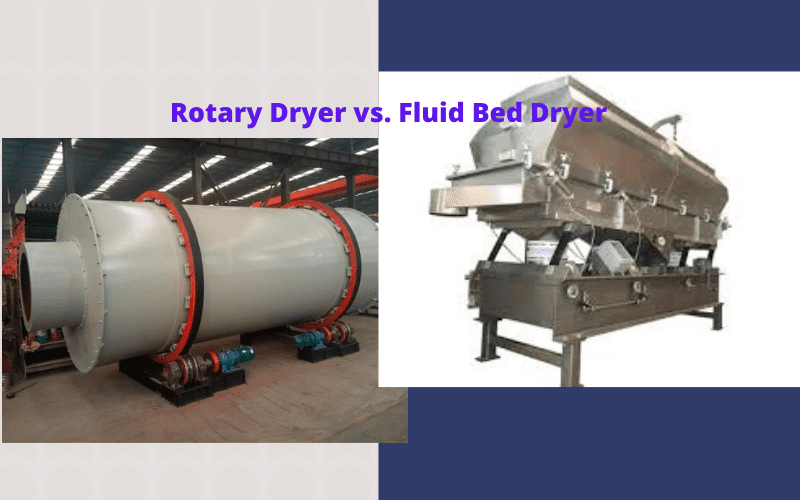
For supplier comparison, read the rotary dryer manufacturer guide. If you are comparing dryer types, see Rotary Dryer vs Fluid Bed Dryer.
Rotary Dryer Model and Project Parameters
Rotary dryer specifications should be confirmed according to material, moisture removal, capacity and heat source. The same drum size can perform differently when material particle size, feeding stability or inlet moisture changes.
| Selection item | What to confirm |
|---|---|
| Raw material | Sawdust, wood chips, bamboo powder, biomass, fertilizer, minerals, sand or other bulk material. |
| Moisture data | Initial moisture, target final moisture and whether the material is sticky, dusty or heat sensitive. |
| Capacità | Hourly output, daily working hours and whether the project needs continuous operation. |
| Heat source | Biomass fuel, natural gas, diesel, coal, steam or another available local energy source. |
| Line layout | Feeding conveyor, hot air furnace, cyclone, dust collector, discharge conveyor and downstream machine height. |
| Modello | Diametro interno (mm) | Lunghezza (mm) | Velocità | Potenza (KW) | Evaporazione (T/H) | Peso (tonnellate) |
|---|---|---|---|---|---|---|
| 0,8x10m | 800 | 10000 | 10 | 2.2 | 0.07-0.15 | 3 |
| 1,0x10m | 1000 | 10000 | 10 | 3 | 0.1-0.23 | 4.6 |
| 1,2x10m | 1200 | 10000 | 8 | 4 | 0.25-0.35 | 5.6 |
| 1,4x10m | 1400 | 10000 | 6 | 5.5 | 0.25-0.5 | 7.8 |
| 1,5x10 m | 1500 | 10000 | 5 | 7.5 | 0.35-0.6 | 18.5 |
| 1,6x22m | 1600 | 22000 | 3.8 | 11 | 0.8-1.2 | 19.7 |
| 1,8x22m | 1800 | 22000 | 3.8 | 11 | 0.9-1.5 | 27.8 |
| 2,0x22m | 2000 | 22000 | 3.8 | 15 | 1-1.8 | 30.9 |
| 2,2x22m | 2200 | 22000 | 3.3 | 15 | 1.2-2.2 | 34 |
| 2,4x22m | 2400 | 22000 | 3.3 | 22 | 1.5-2.8 | 37 |
| 2,5x22 m | 2500 | 22000 | 3.3 | 22 | 2-3 | 39 |
| 2,6x22m | 2600 | 22000 | 3.3 | 30 | 2.5-3.5 | 47 |
| 2,8x22m | 2800 | 22000 | 3.3 | 30 | 3-4 | 55 |
Rotary Dryer Selection and Project Support
TCPEL rotary dryer projects can be configured as a single drying machine or as part of a drying line with feeding conveyor, hot air furnace, cyclone, dust collector, discharge conveyor and downstream pellet or packing equipment.
Self-cleaning or self-returning structures should be confirmed according to material behavior and project scope. These terms should not be selected only by keyword; material testing and layout confirmation are more important.
Rotary Dryer FAQ
What is a rotary dryer?
A rotary dryer is an industrial drying machine that uses a rotating drum and hot air to reduce moisture in bulk materials such as sawdust, wood chips, biomass, fertilizer and other raw materials.
What materials can a rotary dryer dry?
A rotary dryer can dry sawdust, wood chips, biomass, agricultural residues, fertilizer materials and many other bulk materials. The final configuration depends on the raw material, moisture content and production target.
Can a rotary dryer dry sawdust for wood pellet production?
Yes. A rotary dryer is commonly used before pelletizing to reduce the moisture of sawdust or biomass materials to a suitable range for wood pellet production. For the pelletizing step, see TCPEL’s macchina per pellet di legno page.
Can a rotary dryer dry wood chips or biomass?
Yes. Rotary dryers can be used for wood chips, biomass and other loose bulk materials, but the dryer size, heat source and airflow design should be selected according to the material condition.
What moisture content is required before pelletizing?
The required moisture level depends on the raw material and pelletizing process. In most pellet production projects, drying is needed when the raw material moisture is too high for stable pelletizing.
What heat sources can be used for a rotary dryer?
Common heat sources include biomass fuel, coal, gas, diesel or other project-specific heat sources. The final choice depends on local fuel availability, operating cost and site requirements.
What is the difference between a single-pass and three-pass rotary dryer?
A single-pass rotary dryer has one main drying path, while a three-pass rotary dryer uses a more compact multi-pass structure to improve heat exchange in a smaller footprint. The suitable type depends on material, capacity and site layout.
Does a rotary dryer need dust removal?
Many rotary dryer systems need cyclone dust collection, pulse dust collectors or other dust removal equipment to improve airflow, reduce dust and support cleaner operation.
Can a rotary dryer be used in a complete pellet production line?
Yes. A rotary dryer can be combined with a mulino a martelli, pellet machine, Raffreddatore a pellet, conveyor and macchina per il confezionamento di pellet to form a complete linea di produzione di pellet. Depending on capacity, buyers may compare a macchina per pellet a matrice piatta, a ring die pellet machine or a macchina per la produzione di pellet per mangimi.
How do I choose the right rotary dryer capacity?
The right dryer capacity depends on raw material type, input moisture, target output moisture, required production capacity, heat source, working hours and site layout.
What information is needed for a rotary dryer quotation?
Please provide your raw material, input moisture, target output moisture, required capacity, heat source, power supply, working hours and destination so TCPEL can recommend a suitable dryer system. You can also contattare TCPEL to request a quotation.
What affects the price of a rotary dryer system?
The price depends on dryer size, material moisture, heat source, dust removal system, automation level, conveyors, layout requirements and whether it is part of a complete production line.
Ecco alcune delle caratteristiche più importanti dell'essiccatore rotante:
- È dotato di un sistema di lubrificazione automatica con iniezione e filtraggio automatico del grasso, che garantisce un tempo di lavoro più lungo senza fermarsi.
- È dotato di un sistema antipolvere e di raffreddamento per ridurre la produzione di polvere durante il funzionamento.
- Questa macchina riduce o minimizza il contenuto di umidità liquida con una rotazione a bassa velocità e un martellamento a piatto curvo per una migliore essiccazione. Può essere utilizzata in impianti e fabbriche di fertilizzazione, medicina, chimica e lavorazione del legno.
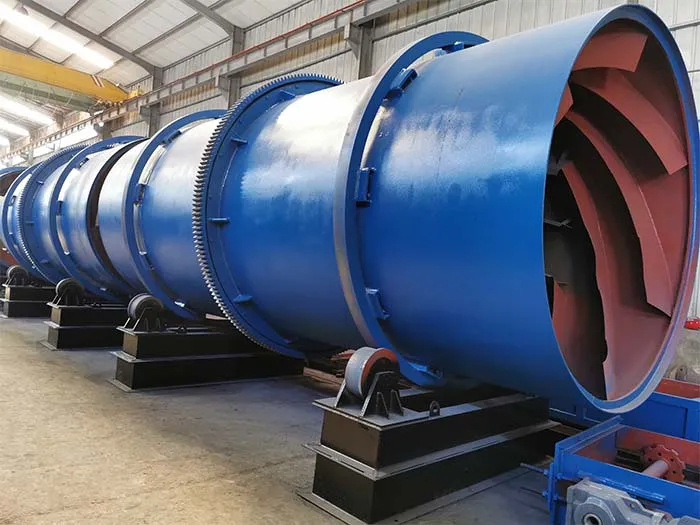
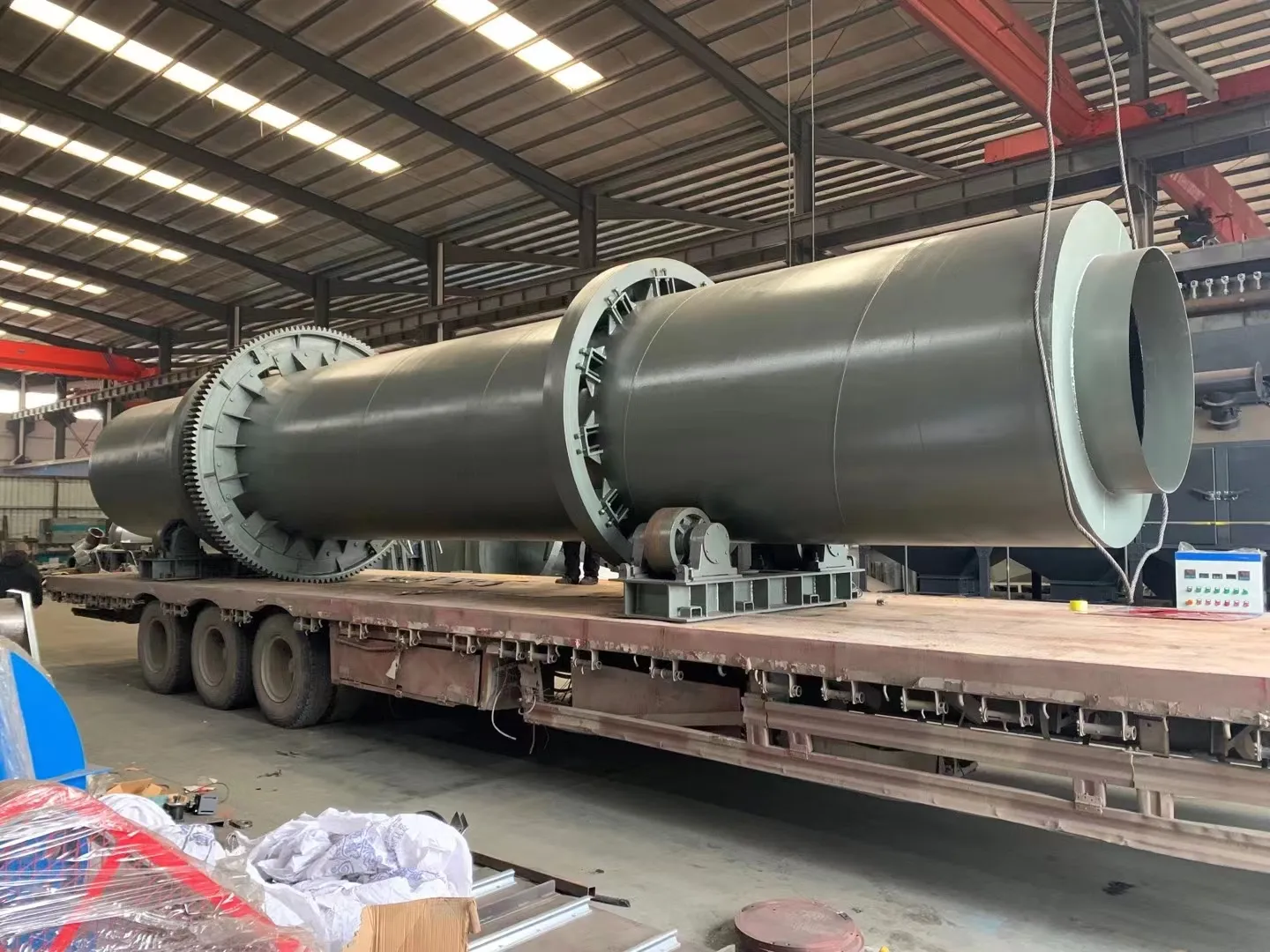
- L'essiccatore rotante è composto da un cilindro, una trasmissione, una piastra di sollevamento, un macchinario di supporto e altri dispositivi. La piastra di sollevamento sposta il materiale bagnato all'interno del cilindro rotante con l'aria calda che trasforma l'acqua in vapore e asciuga rapidamente i materiali. È dotato di un controllo della velocità a frequenza variabile che consente di regolare la velocità interna dell'essiccatore. È realizzato con un mattone refrattario sigillato all'interno per mantenere la sicurezza.
- È adatto in particolare agli essiccatori a tamburo per segatura, poiché ha un'installazione pieghevole e può essere installato in un'area ridotta. Ha una piccola capacità di evaporazione che lo rende adatto a una varietà di materiali. La temperatura dell'essiccatore può raggiungere i 500 gradi Celsius per la massima efficienza.
- Ha prestazioni di lavoro stabili, basso consumo energetico, elevata efficienza e facilità di funzionamento.
- È dotato di uno strumento di visualizzazione della temperatura che consente di vedere facilmente le temperature di ingresso e di uscita nel pannello di controllo. È inoltre dotato di un sistema di allarme automatico.
- Questa macchina è incredibilmente stabile, con una grande resistenza all'usura e una base a rulli che bilancia il corpo dell'essiccatore. Il collegamento tra l'essiccatore e la stufa a caldo è inoltre dotato di un tubo di transizione per un funzionamento più sicuro.
Rotary Dryer Material Applications
Rotary dryers are used to reduce moisture in bulk materials before storage, pellet production, combustion, fertilizer processing, mineral handling or other downstream production steps. Typical applications include sawdust, wood chips, bamboo powder, biomass, fertilizer, minerals, sand, food-related bulk materials and chemical materials.
The correct dryer configuration depends on material moisture, particle size, heat sensitivity, required final moisture, dust control and plant layout.
Un essiccatore di sabbia è una macchina progettata per rimuovere l'umidità dalla sabbia, migliorandone l'utilizzabilità nell'edilizia e nella produzione. Utilizzando il calore e il flusso d'aria, riduce efficacemente il contenuto di umidità, rendendo la sabbia adatta a varie applicazioni come la produzione di calcestruzzo e i processi di fonderia.
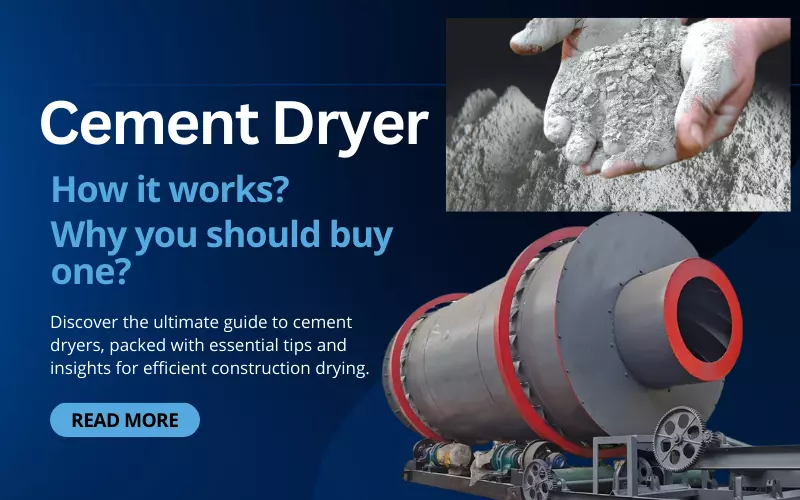
Un essiccatore per cemento è un'apparecchiatura specializzata utilizzata per ridurre l'umidità nei materiali cementizi, migliorandone la qualità e le prestazioni. Utilizzando il calore e il flusso d'aria controllato, riduce efficacemente il contenuto di umidità, garantendo la stabilità e la resistenza del prodotto finale di cemento per l'edilizia.
L'essiccatore per biomasse è una macchina fondamentale per la lavorazione di materiali organici come trucioli di legno, residui agricoli e materie prime bioenergetiche. Utilizzando il calore e il flusso d'aria, riduce il contenuto di umidità, ottimizzando l'efficienza della combustione e facilitando la produzione di bioenergia. Svolge un ruolo cruciale nelle pratiche energetiche sostenibili e nella riduzione dei rifiuti.
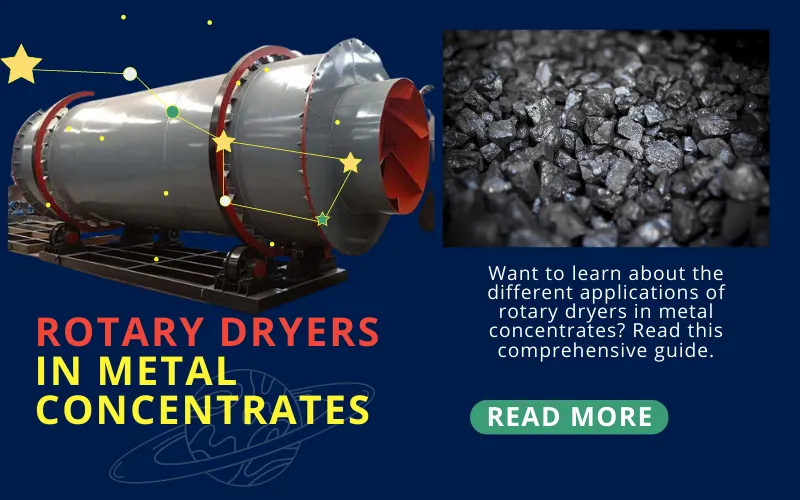
Gli essiccatori rotanti svolgono un ruolo fondamentale nell'industria metallurgica, asciugando in modo efficiente i concentrati di metallo prima di un'ulteriore lavorazione. Eliminando l'umidità, questi essiccatori aumentano l'efficienza energetica, riducono i costi di trasporto e migliorano la qualità dei prodotti metallici. Sono indispensabili per ottimizzare i processi metallurgici di varie industrie.
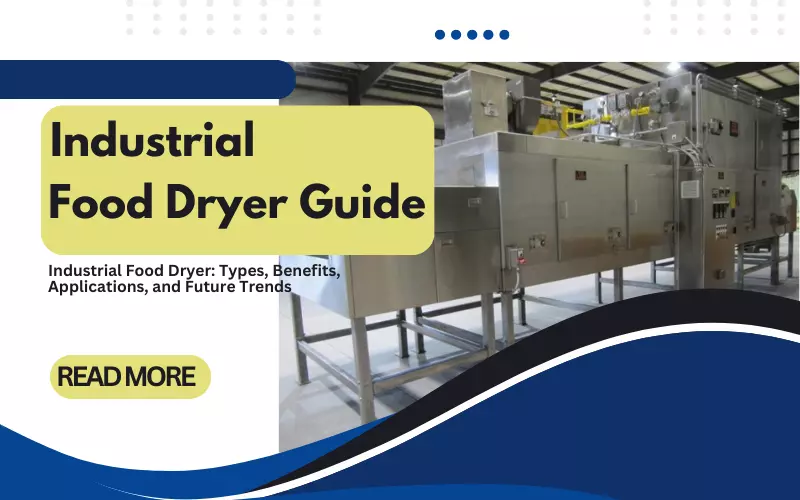
Un essiccatore rotante industriale per alimenti è un'apparecchiatura cruciale nel settore della trasformazione alimentare, in grado di rimuovere efficacemente l'umidità da vari prodotti alimentari come spezie, noci e chicchi di caffè. Utilizzando calore e flusso d'aria controllati, prolunga la durata di conservazione, previene la crescita microbica e preserva i sapori e la consistenza dei prodotti alimentari finali.
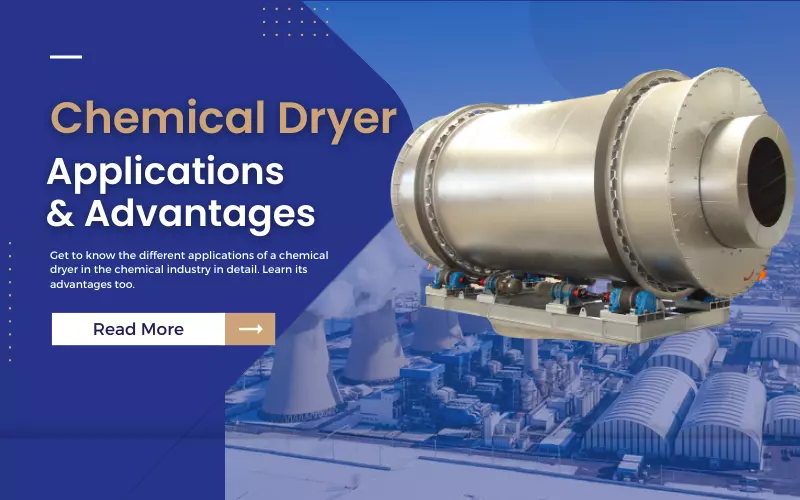
Un essiccatore rotante per prodotti chimici è uno strumento essenziale nell'industria chimica, in grado di essiccare in modo efficiente una serie di prodotti chimici, tra cui fertilizzanti, pigmenti e catalizzatori. Utilizzando un calore preciso e condizioni di essiccazione controllate, evita reazioni indesiderate, garantisce la qualità del prodotto e contribuisce all'efficienza complessiva dei processi chimici.
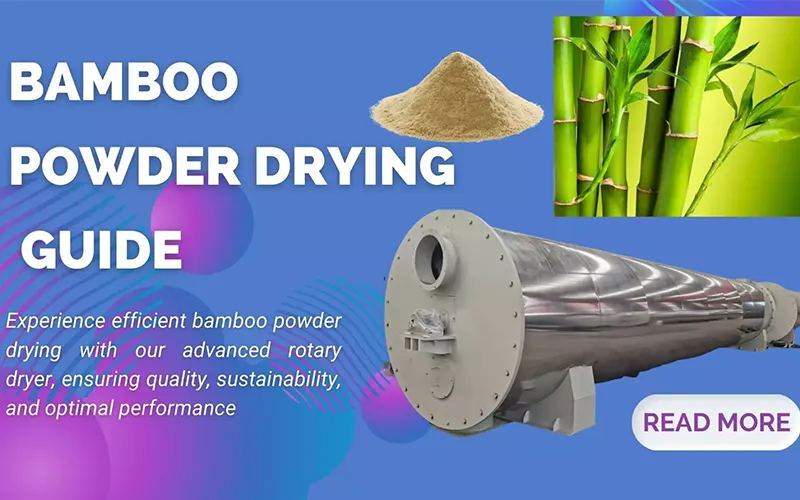
A bamboo powder rotary dryer helps reduce moisture before storage, fuel preparation or pellet production. The system should be selected according to powder size, inlet moisture, final moisture and dust collection requirements.
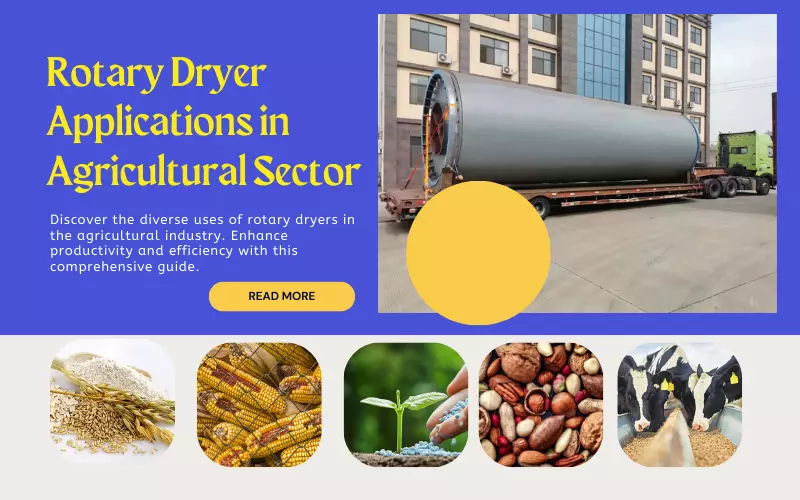
In agricultural material drying, a rotary dryer can process grains, crop residues, fibers or other bulk materials when temperature, airflow and retention time are matched to the product requirement.
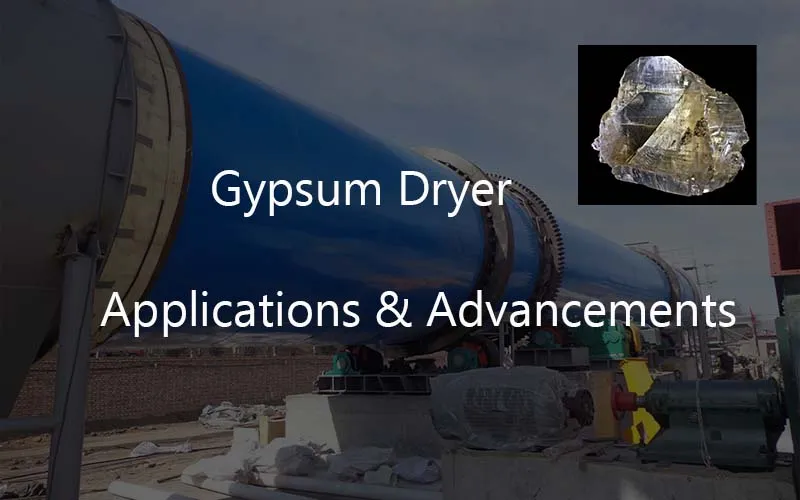
Un essiccatore per gesso è parte integrante della lavorazione del gesso, riducendone l'umidità e migliorandone l'utilizzabilità. Utilizzando aria riscaldata, rimuove in modo efficiente l'acqua in eccesso, evitando la formazione di grumi e migliorando lo stoccaggio e il trasporto. I progetti moderni danno priorità all'efficienza energetica, contribuendo a ottenere prodotti di gesso di alta qualità ed economici per l'edilizia e la produzione.
Parti di usura dell'essiccatore rotante normale e durata di vita
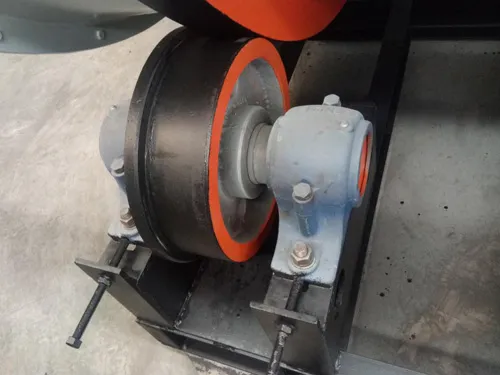
Le parti di usura degli essiccatori rotanti sono componenti cruciali che garantiscono il funzionamento ottimale e la longevità dei sistemi di essiccazione rotanti. Questi componenti, come le ruote del trunnion, gli anelli di guida, i rulli di spinta e altri ancora, sono progettati per resistere alle condizioni difficili dei processi di essiccazione ad alta temperatura e all'abrasività dei materiali trattati. Riducendo l'attrito e fornendo supporto, queste parti soggette a usura migliorano l'efficienza, riducono al minimo i tempi di inattività e contribuiscono a un funzionamento economicamente vantaggioso. L'ispezione regolare, la manutenzione e la sostituzione tempestiva dei componenti usurati sono essenziali per mantenere le prestazioni complessive e prolungare la durata di vita degli essiccatori rotanti in vari settori come quello agricolo, minerario e manifatturiero.
La durata generale del carrello essiccatore rotante è di 6-8 mesi. Il materiale del rimorchiatore prodotto dalla nostra azienda è lo stesso dell'acciaio dei binari, entrambi sottoposti a un profondo trattamento termico, e la durata minima prevista è di 8-12 mesi.
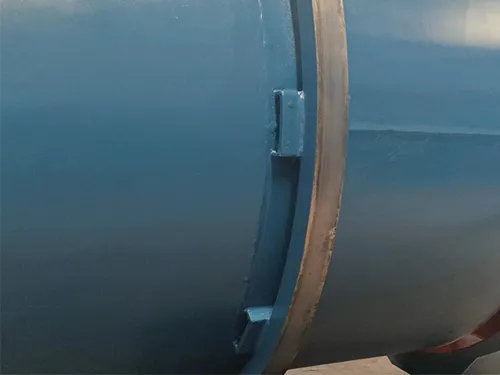
La durata di vita generale dell'ingranaggio ad anello dell'essiccatore rotante è di 60-90 mesi (6-8 anni) e la durata di vita di un set di essiccatori è di 8-10 anni. Gli anelli a rulli dell'essiccatore della nostra azienda sono tutti fusi in acciaio al manganese e la superficie è stata trattata termicamente. La durata di vita è di 8 anni.
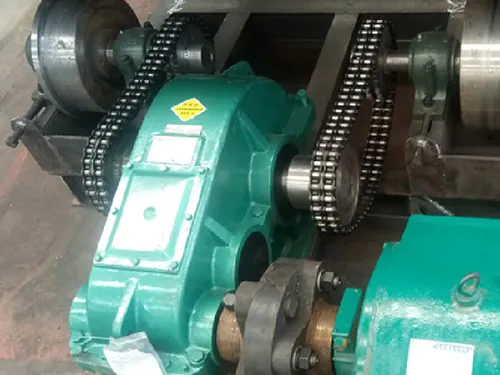
La catena è il ponte che fornisce energia all'essiccatore. La durata di vita della catena dell'essiccatore rotante è legata a vari fattori, quali la progettazione, l'installazione, le fondamenta e l'utilizzo. In genere, la durata della catena è di 36 mesi. Attualmente, la nostra azienda utilizza prevalentemente giunti per l'essiccazione. L'essiccatore fornisce energia, rendendo il funzionamento più stabile.
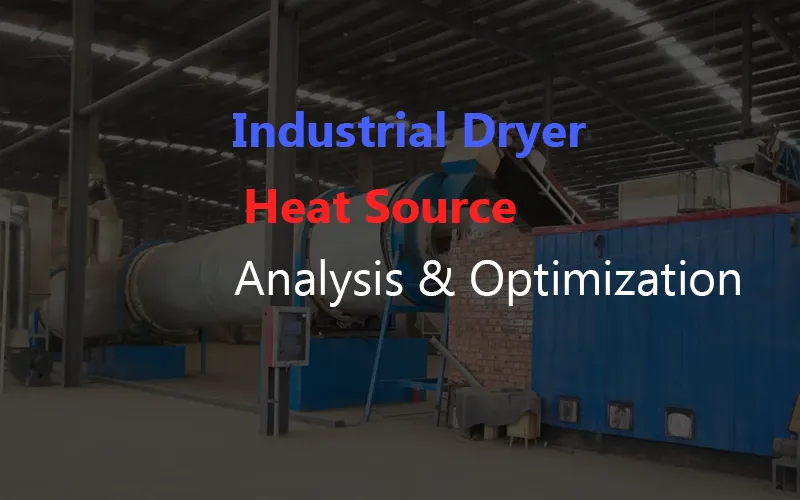
In genere, la vita utile del tamburo dell'essiccatore rotante e della piastra di sollevamento è di 8-10 anni. La piastra di sollevamento che utilizziamo è in acciaio al manganese addensato e il processo di saldatura è di tipo integrale, in modo da aumentare la durata e ridurre notevolmente i costi di manutenzione.
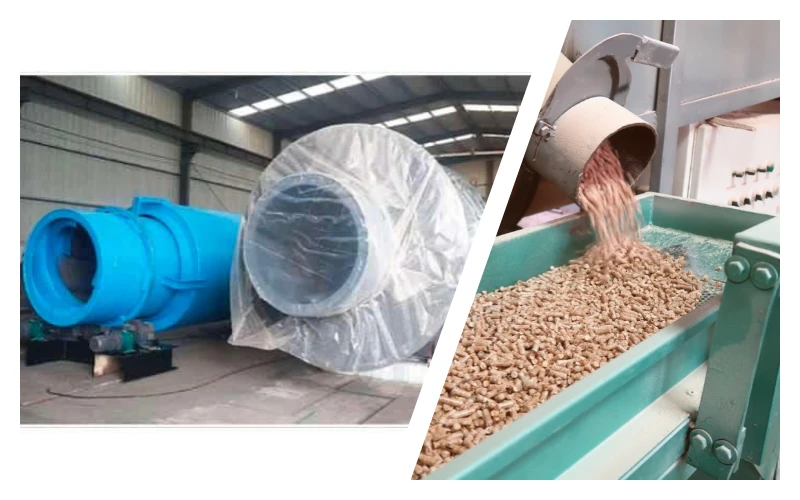
Poiché la porta di alimentazione è spesso riscaldata, anche la porta di ingresso dell'essiccatore rotante è una parte soggetta a usura durante l'intera vita utile dell'essiccatore e deve essere sostituita. Il materiale di ingresso della nostra azienda è realizzato con lo stesso acciaio per caldaie resistente all'usura e alle alte temperature dell'intera macchina e la durata di vita prevista è di 30 mesi.