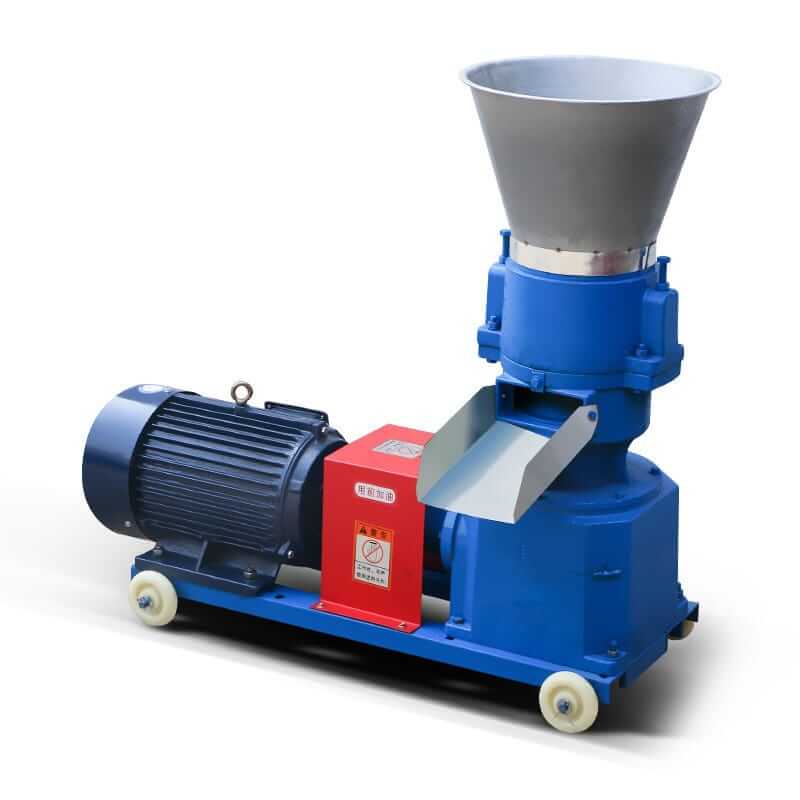
Biomass Pellet Machines for Straw and Agricultural Residues
Flat die and vertical ring die routes for straw and agricultural residues.
Brand :
TCPEL
Machine Routes :
Flat Die + Vertical Ring Die
Product Scope :
Agricultural Biomass Pellet Machines
Output Context :
Confirmed by machine family, material and project
Project Selection :
Raw material, output, target pellet, hours and power
Supply Scope :
Standalone machine or complete line
Configuration :
Final model and suitability confirmed for each project
View the biomass pellet machine test on this page without loading the player until you choose to play it.
View the pelletizing test run on this page with a click-to-load player.
Biomass Pellet Machine Overview
TCPEL supplies biomass pellet machines for agricultural biomass pellet projects, with verified application support for materials such as straw, grass, corn straw, and ground nut shell at the appropriate family or project level. Two equipment routes are available: Flat Die and Vertical Ring Die. Selection should begin with the raw material and its condition, then consider required pellet output, target pellet, operating hours, power supply, and whether the project needs a standalone machine or a complete processing line. Wood and sawdust projects should use TCPEL’s dedicated Wood Pellet Machine route. For complete projects that also need crushing, drying, cooling, screening, or packing, continue to the Pellet Production Line page. Final model and material suitability must be confirmed for the actual project.
Quick Answer: How to Choose a Biomass Pellet Machine
To choose a biomass pellet machine, first separate wood or sawdust from agricultural biomass. Wood projects should follow the dedicated Wood Pellet Machine route. For straw, grass, ground nut shell, corn straw, or other confirmed agricultural residues, provide the raw material condition, required pellet output, target pellet, operating hours, and power supply. TCPEL can then route the project to a Flat Die or Vertical Ring Die machine. If the project also requires crushing, drying, cooling, screening, or packing, choose a complete pellet production line rather than a standalone pellet machine.
Biomass Pellet Machine Routes
| Route | Verified Application Context | Project Decision | Representative Current Models | Best Next Page |
|---|---|---|---|---|
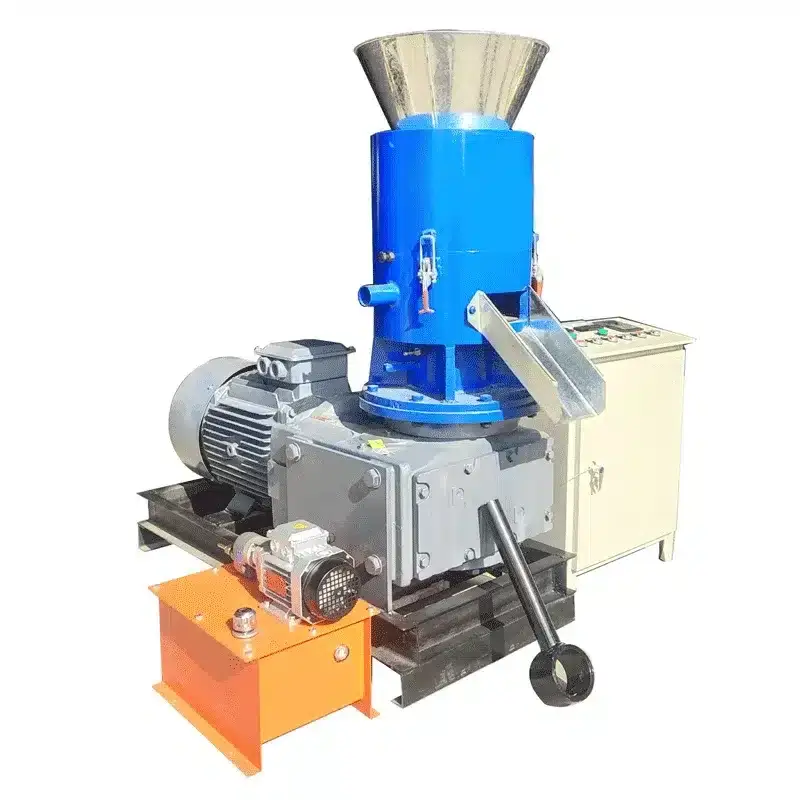
| Flat Die Biomass Pellet Machine | Series-level support includes straw, grass, corn straw, ground nut shell and other agricultural waste; confirm the model and project. | Choose when the project requires the Flat Die route. | TCZL400 | Flat Die product page |
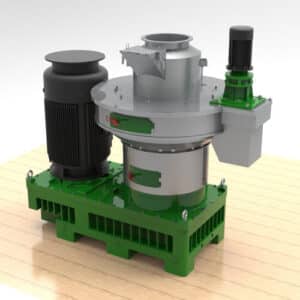
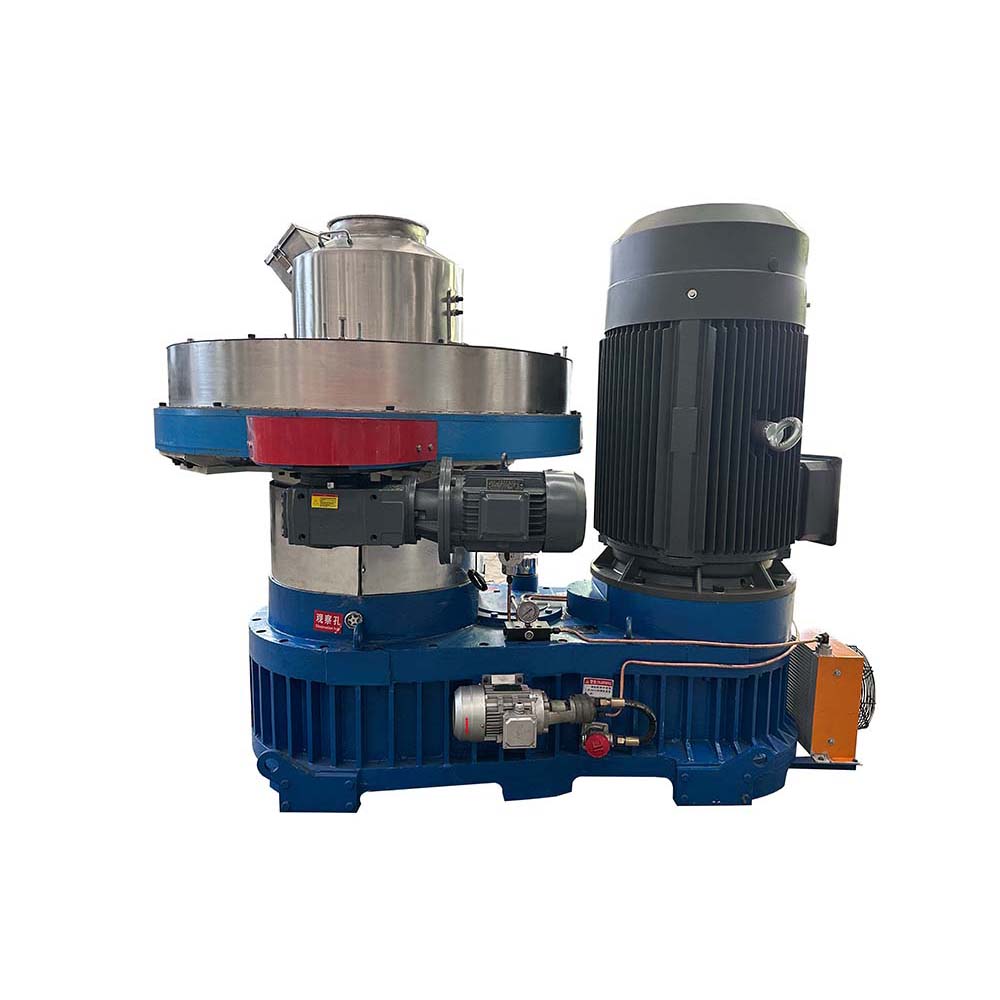
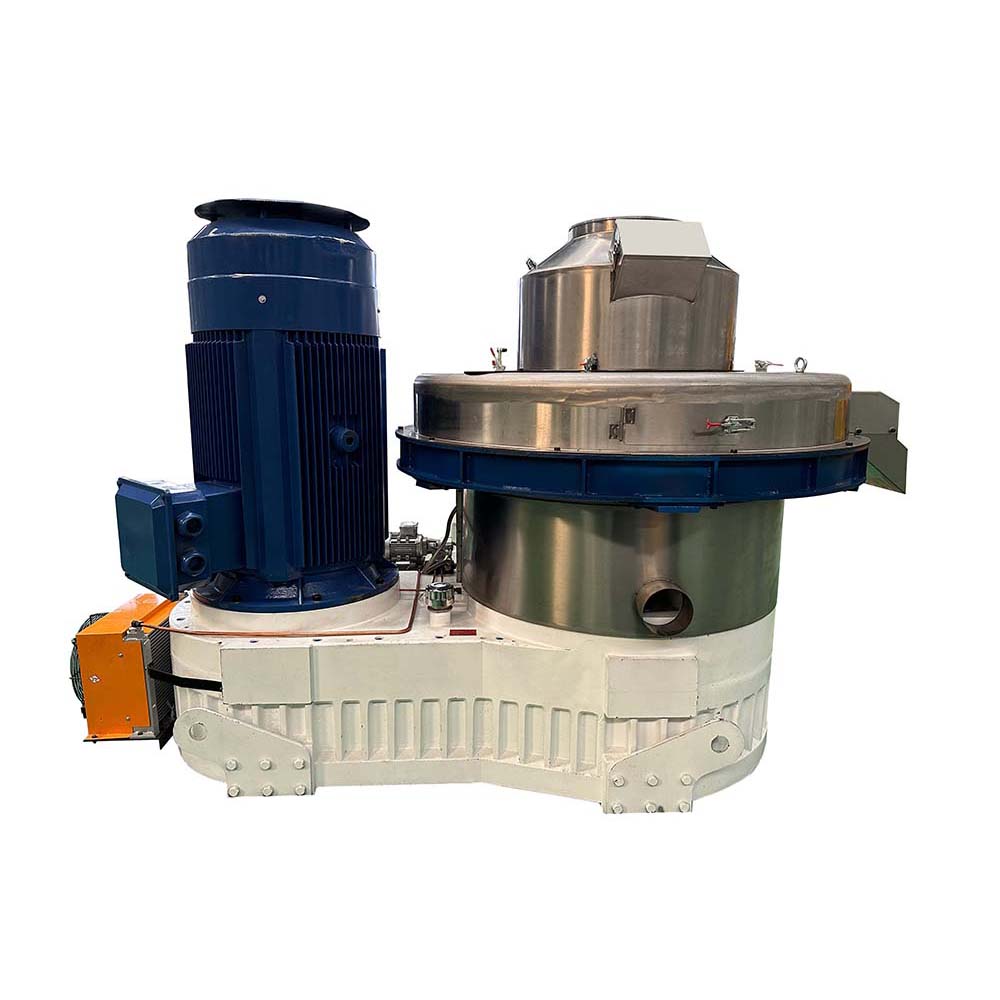
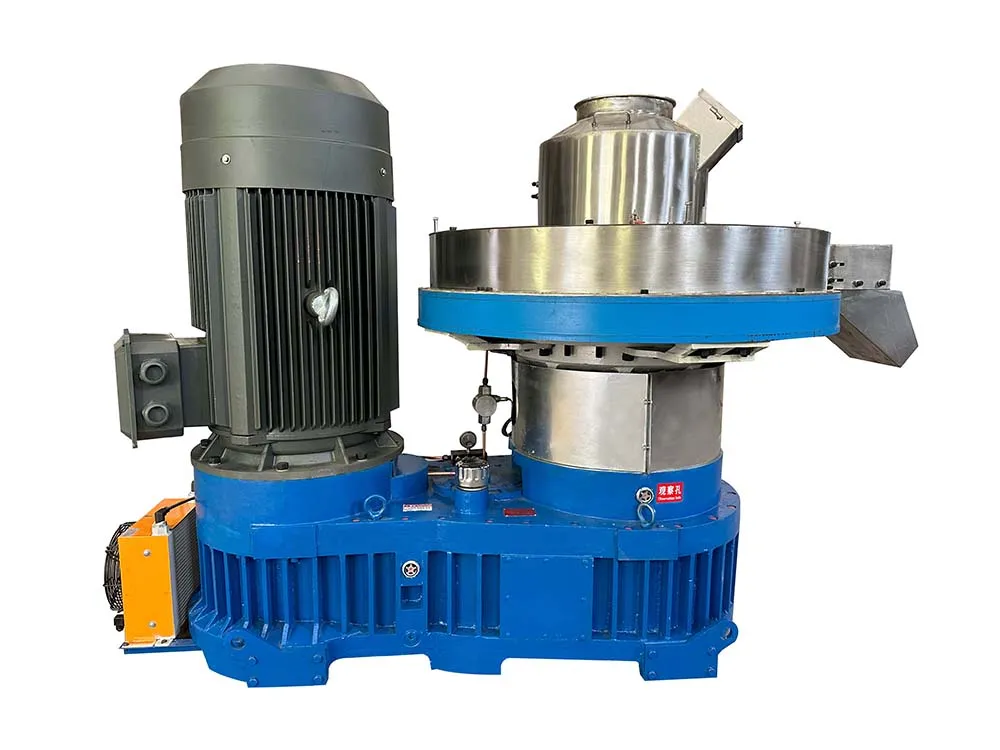
| Vertical Ring Die Biomass Pellet Mill | Biomass-material catalogue context; exact agricultural material and model suitability requires confirmation. | Choose when the project requires the Vertical Ring Die route. | TCZL560 / TCZL700 | Industrial Pellet Mills page |
| Wood / Sawdust Project | Wood, sawdust and wood residues follow a separate commercial route. | Use the dedicated Wood Pellet Machine route. | Not repeated here | Wood Pellet Machine page |
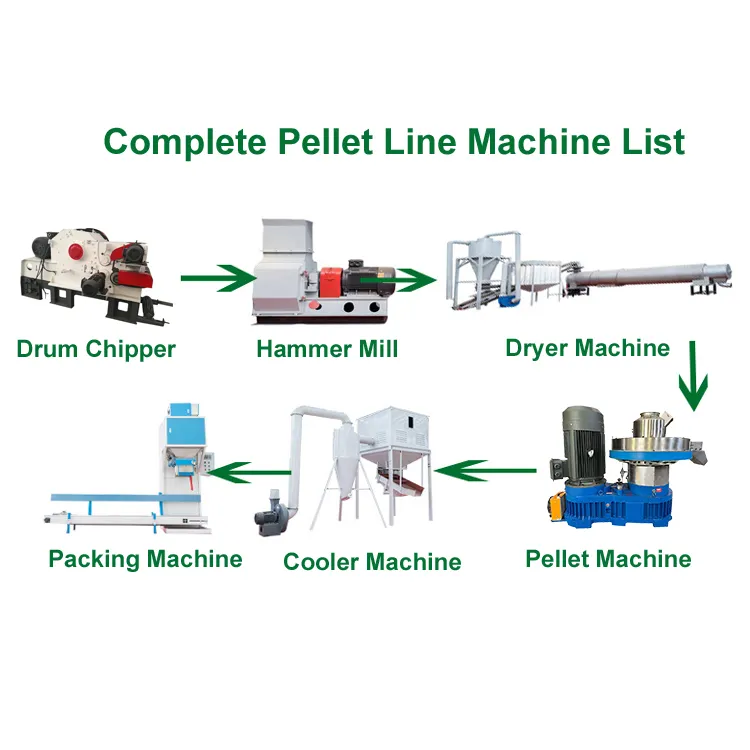
| Complete Biomass Pellet Project | Multiple process steps beyond pelletizing. | Use the complete line route. | Project-specific | Pellet Production Line page |
Agricultural Biomass Application Routing
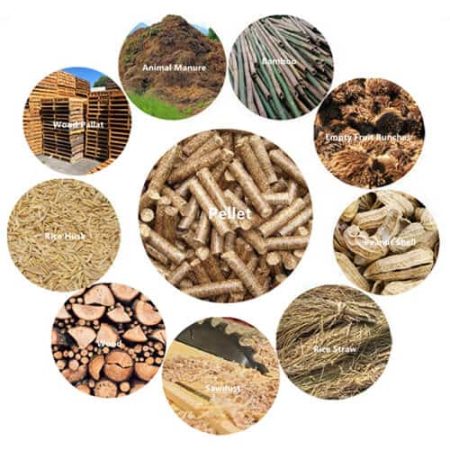
Straw, grass, corn straw, and ground nut or peanut shell are supported at the verified series or project level. This does not mean that every model is approved for every material. Final suitability depends on the actual material condition and project requirements.
Wood or Sawdust? Use the Wood Pellet Machine Route
Wood, sawdust and wood residues are not the primary intent of this page. They follow TCPEL’s dedicated Wood Pellet Machine commercial route, where the wood-specific machine-family selection is explained.
Standalone Biomass Pellet Machine or Complete Pellet Line?
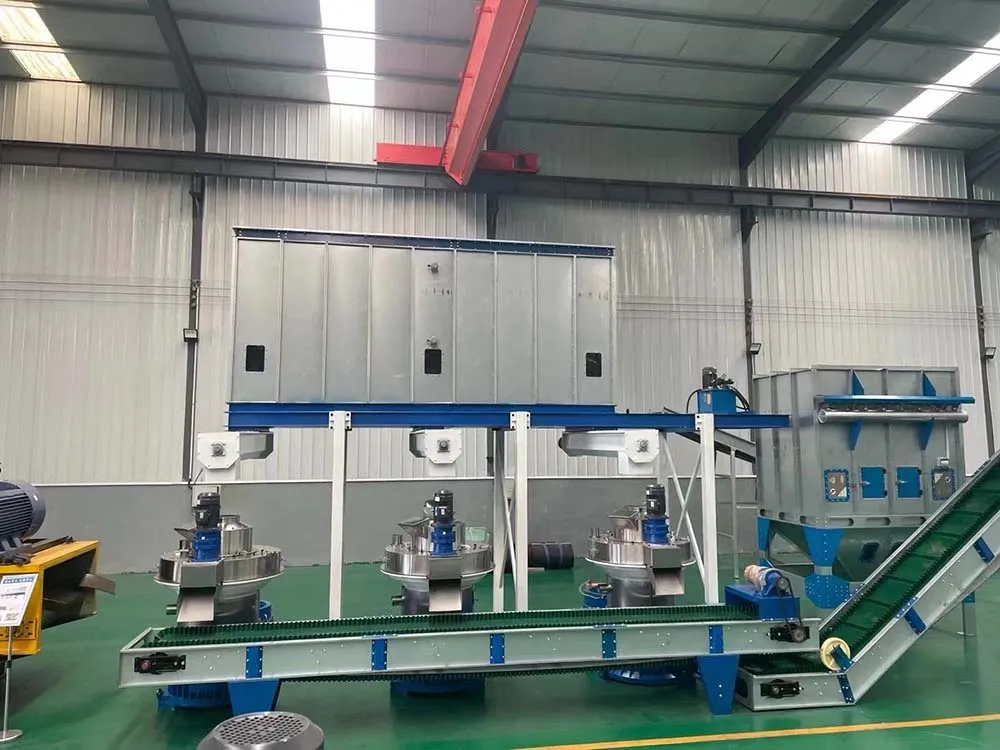
Choose a standalone pellet machine when the required material-preparation and downstream equipment are already available. Choose a complete project route when crushing, drying, conveying, cooling, screening or packing is also required.
How to Select Your Biomass Pellet Machine
- Confirm the raw material and its current condition.
- Separate wood or sawdust from agricultural biomass.
- Provide the required pellet output, target pellet, daily operating hours and power supply.
- Confirm the Flat Die or Vertical Ring Die route.
- Choose a standalone machine or complete production line.
- Complete detailed model confirmation on the canonical child page or quotation.
Biomass Pellet Machine Selection Factors
Start with the agricultural raw material and its condition. Final suitability must be confirmed for the selected machine family and project.
TCPEL provides two current equipment routes for this page: Flat Die and Vertical Ring Die biomass pellet machines.
Required pellet output, target pellet, operating hours and power supply guide the family and model selection.
Wood and sawdust projects follow the dedicated Wood Pellet Machine route instead of this agricultural-biomass page.
A standalone machine suits sites with existing process equipment; multi-stage projects should use the complete-line route.
Final model, material suitability and configuration are confirmed from the actual project inputs rather than a universal claim.
Representative Equipment and Verified Technical Context
The models below are representative current equipment, not a complete product-family database. Output values retain their documented family context and require project confirmation.
| Representative Model | Machine Family | Main Motor | Documented Output Context | Publication Boundary |
|---|---|---|---|---|
| TCZL400 | Flat Die | 37 kW | 400–500 kg/h reference in the current brochure context | Series-level agricultural biomass support; confirm material and project |
| TCZL560 | Vertical Ring Die | 90 kW | 1–1.5 t/h catalogue nominal pellet output in biomass-material context | Exact material and model suitability requires confirmation |
| TCZL700 | Vertical Ring Die | 160 kW | 2–2.5 t/h catalogue nominal pellet output in biomass-material context | Exact material and model suitability requires confirmation |
Do not combine these family-specific references into one universal biomass pellet machine capacity range.
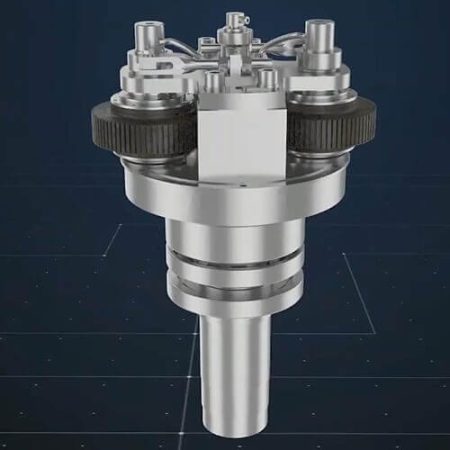
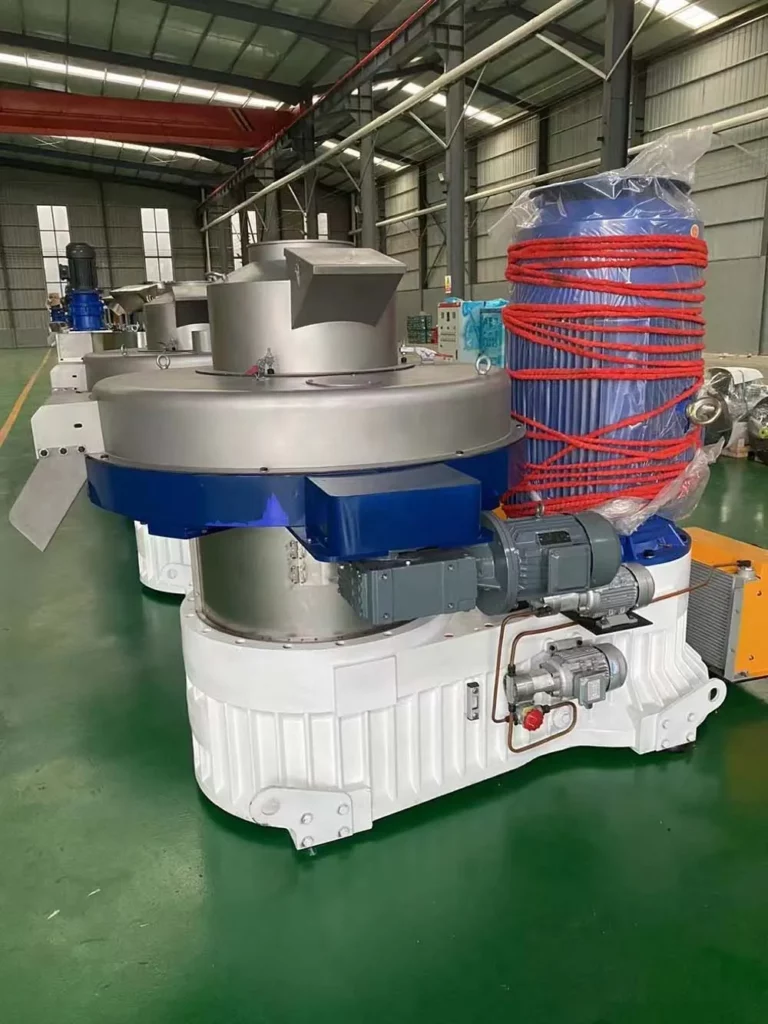
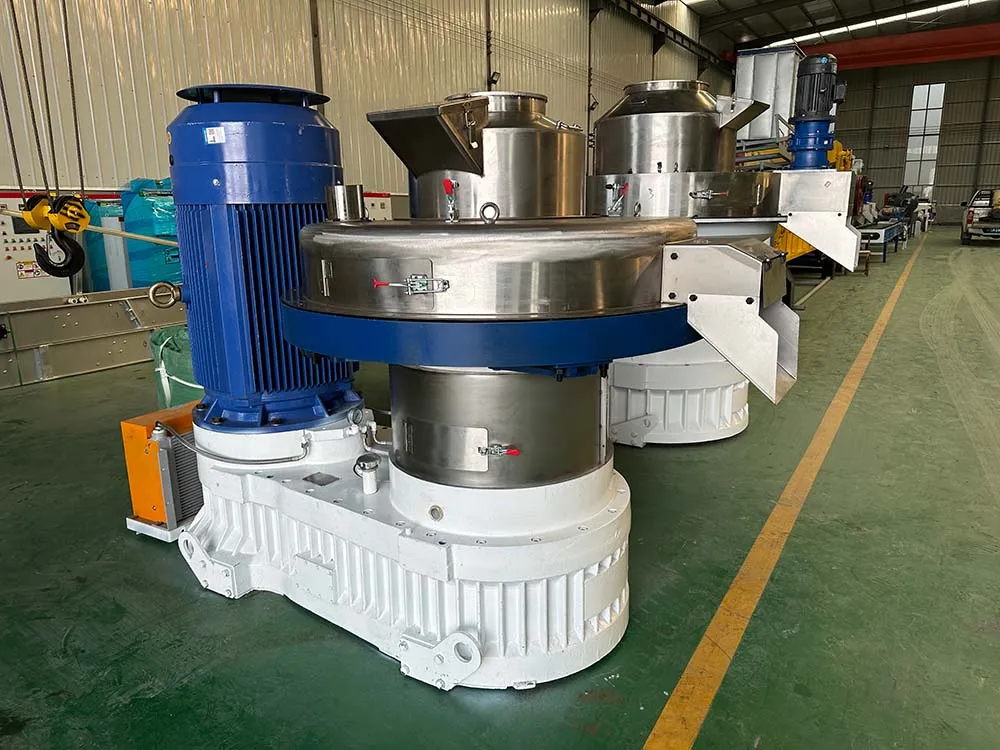
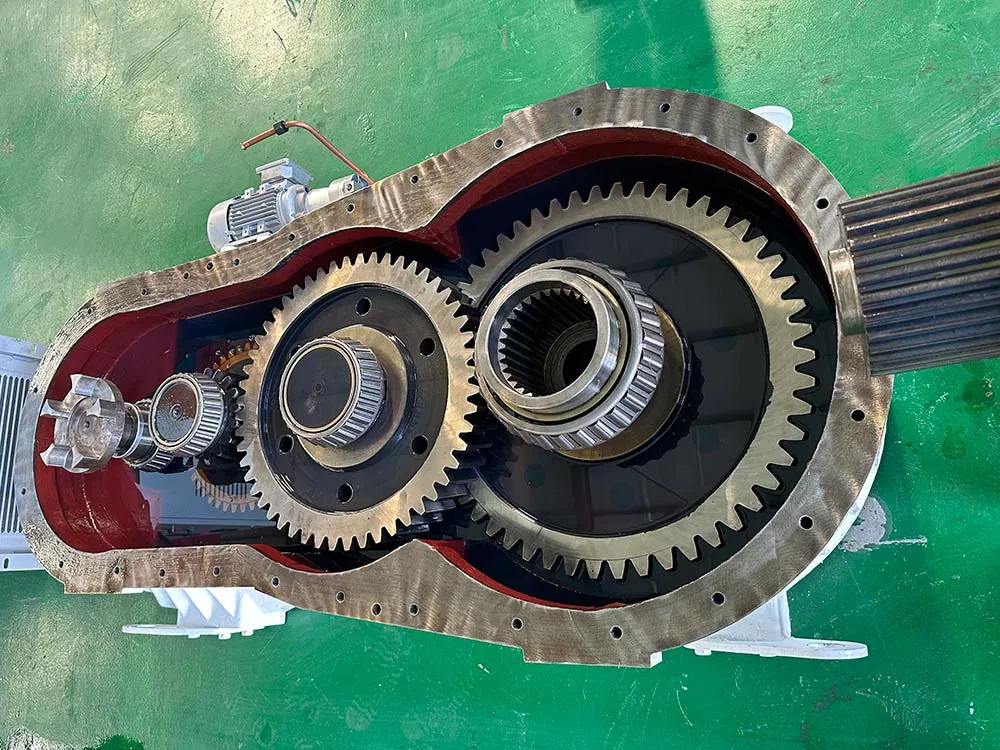
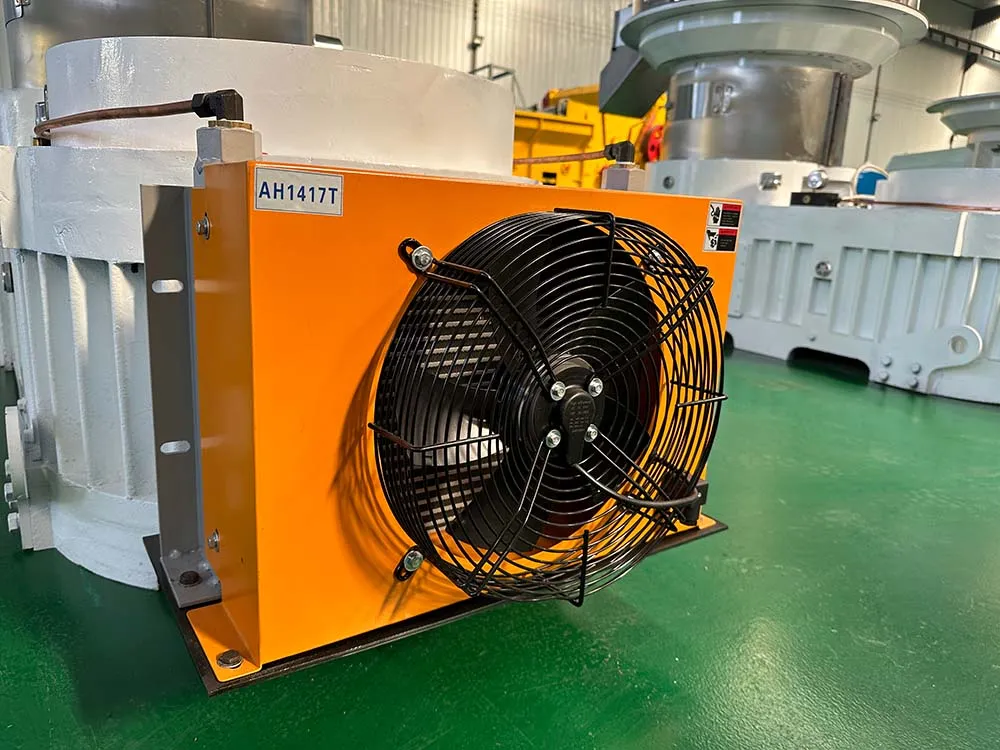
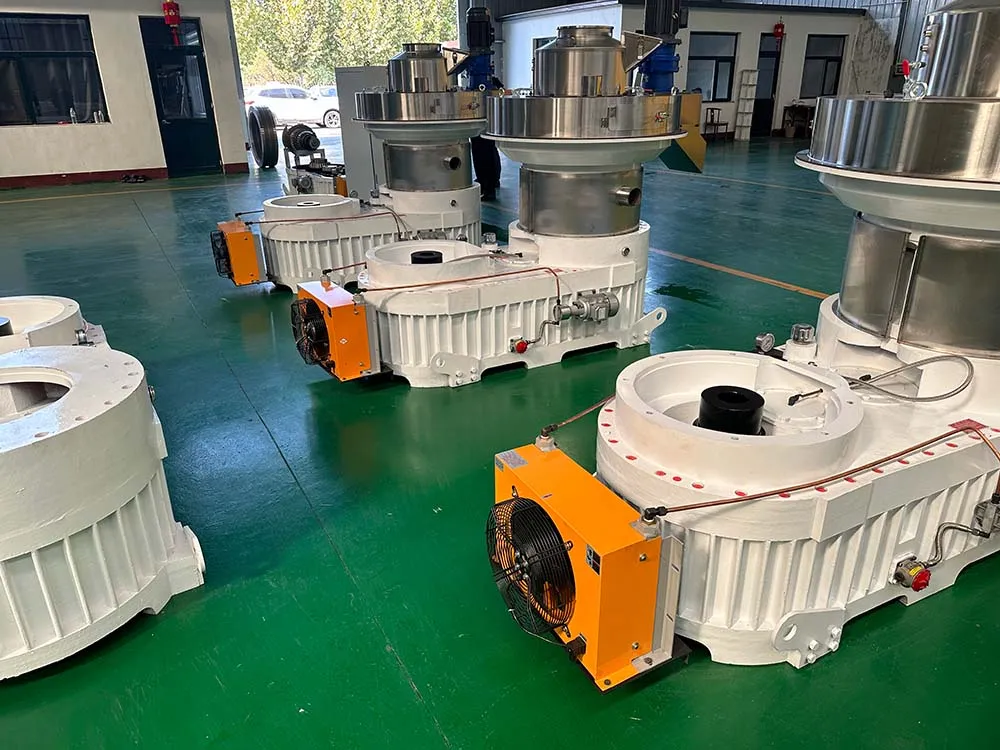
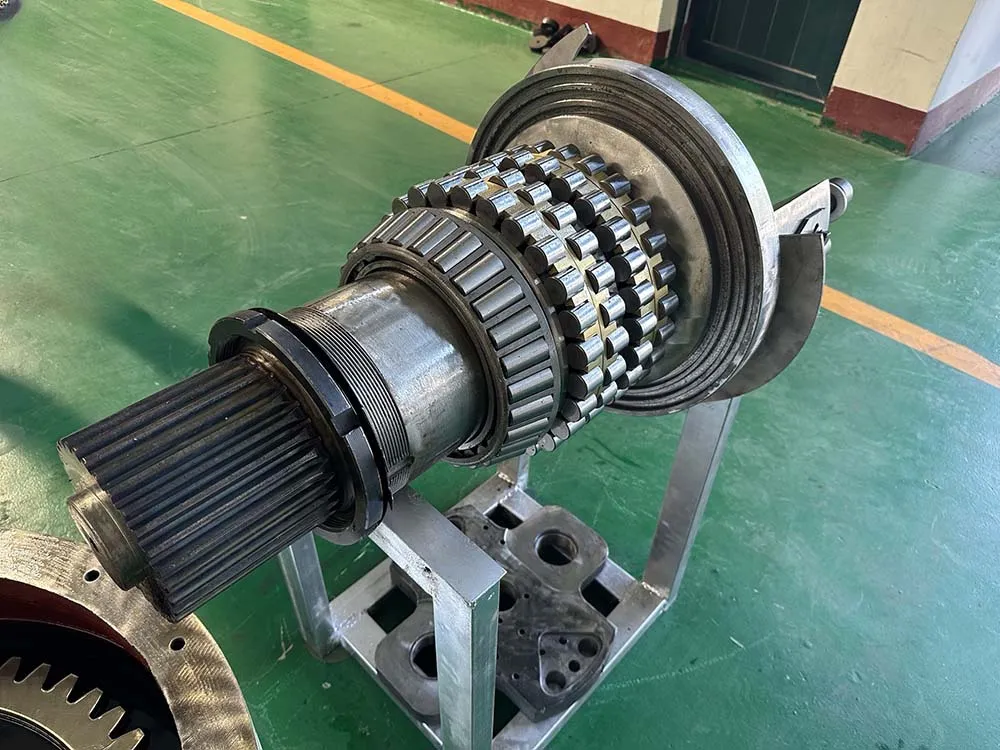
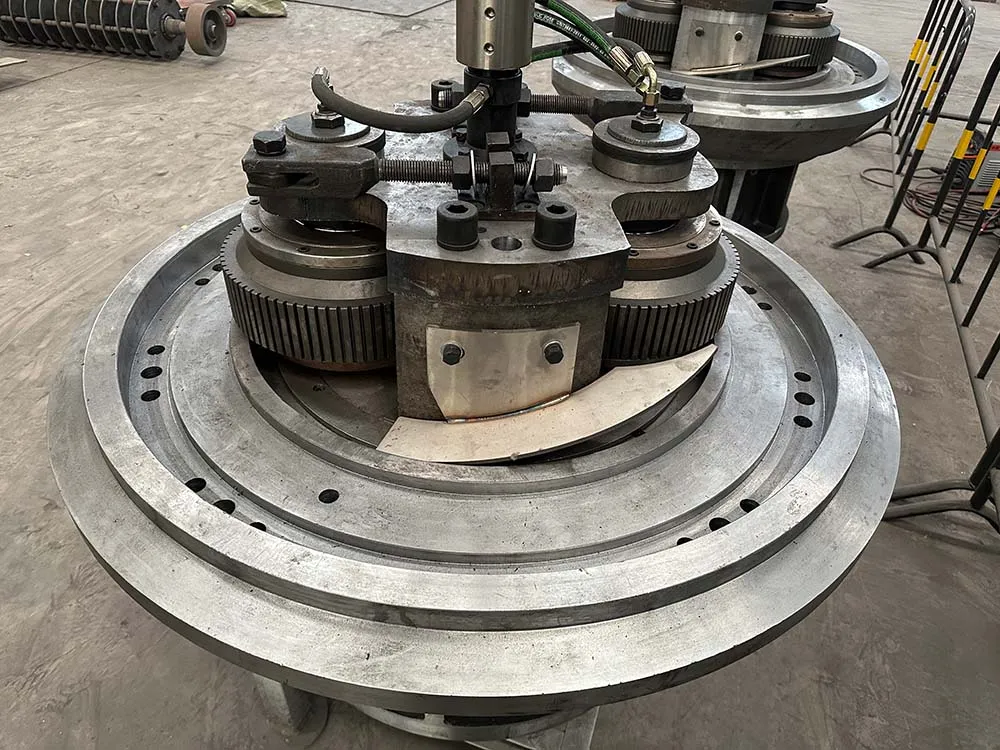
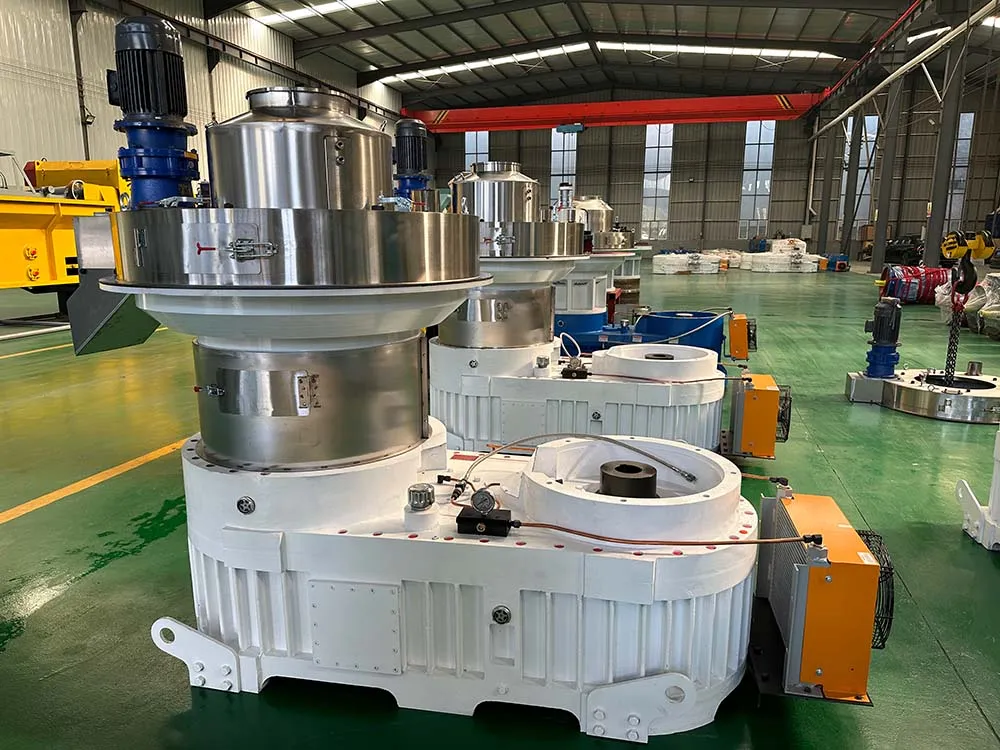
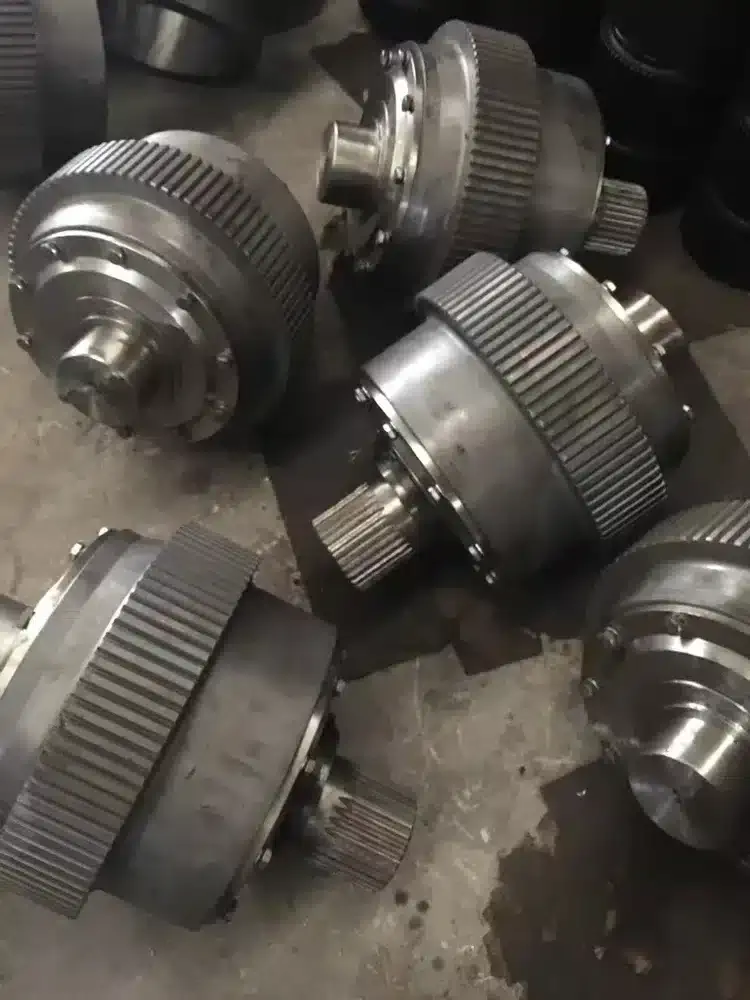
Machine Details and Workshop Photos
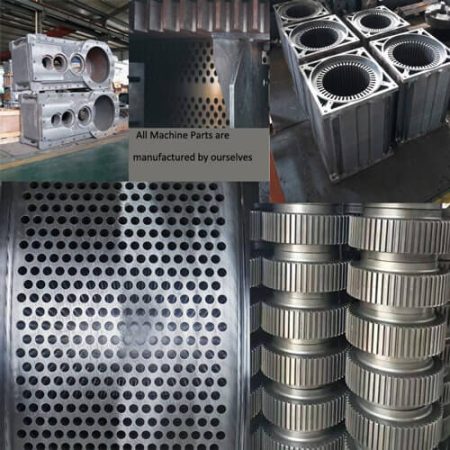
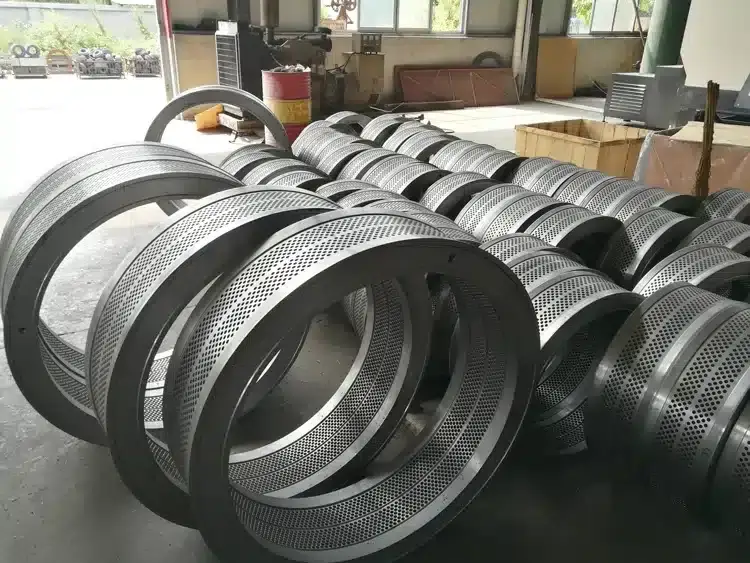
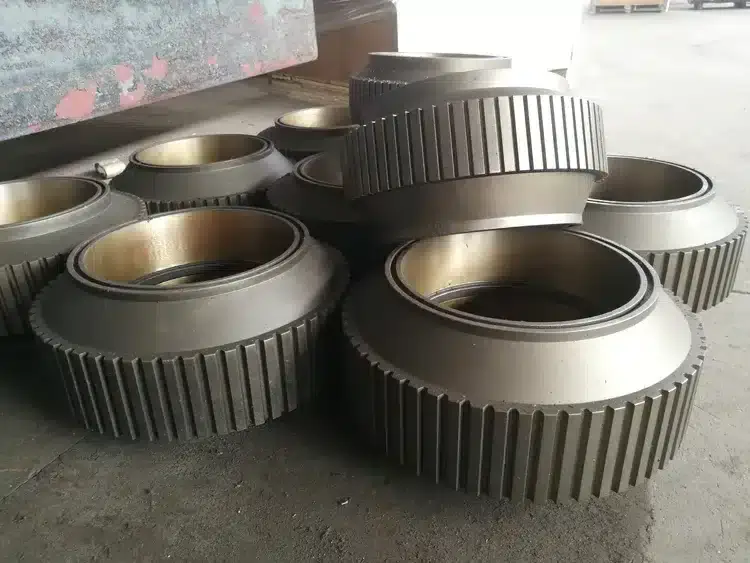
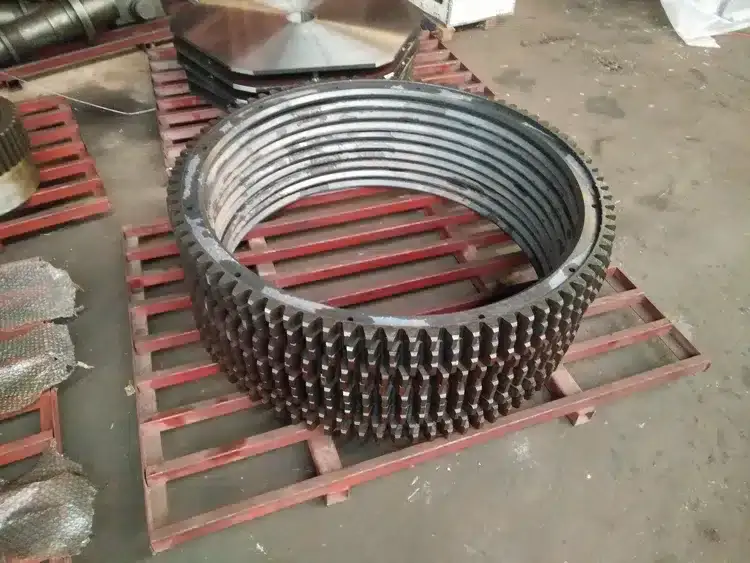
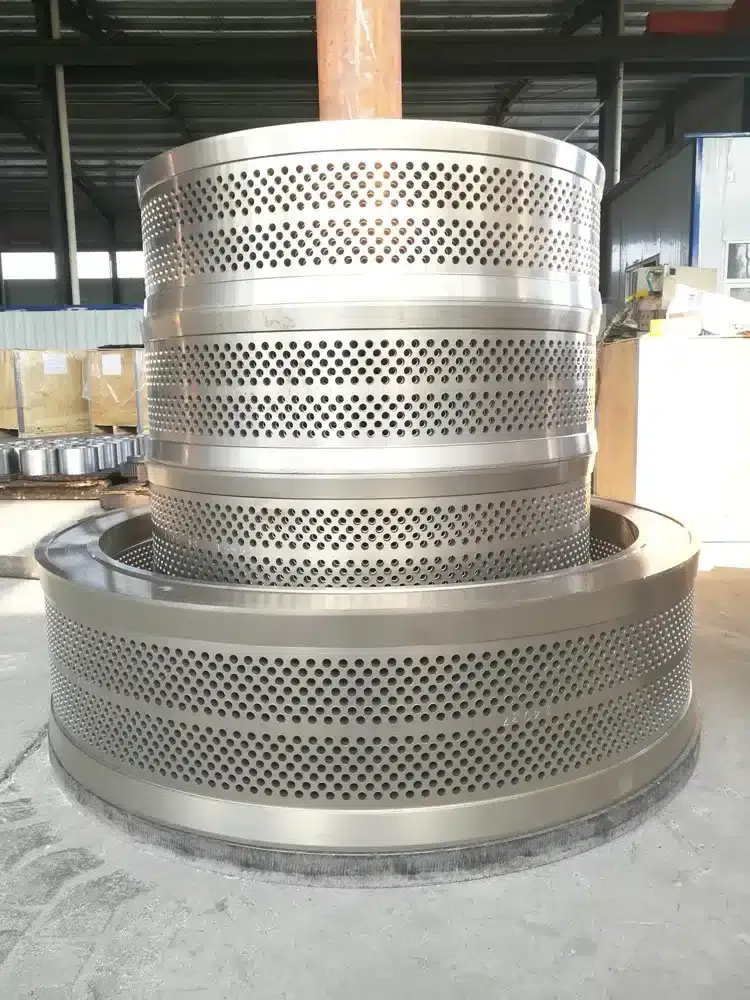
Biomass Pellet Machine Spare Parts
Biomass Pellet Machine Selection and FAQ

Biomass Pellet Machine Buying Guide
Use this guide to check raw material preparation, moisture, pellet diameter, capacity, spare parts and complete line requirements before choosing a biomass pellet machine.
Project Selection Checklist
Provide the raw material and condition, required pellet output, target pellet, daily operating hours, power supply, standalone-machine or complete-line scope, and project location. TCPEL can then confirm the appropriate machine family and model.
Biomass Pellet Machine FAQ
What is a biomass pellet machine?
A biomass pellet machine compresses appropriately prepared biomass material into fuel pellets. This page focuses on agricultural biomass project routing and does not cover animal feed, municipal waste, plastic or RDF applications.
How do I choose a biomass pellet machine?
Start with the raw material and its condition, then provide the required pellet output, target pellet, operating hours and power supply. These inputs determine whether the Flat Die or Vertical Ring Die route should be evaluated and whether the project needs a standalone machine or complete line.
What raw materials can a biomass pellet machine process?
Verified series or project contexts include straw, grass, corn straw, ground nut or peanut shell and other confirmed agricultural residues. Specific material and model suitability must be confirmed for the actual project.
Should I choose a flat die or vertical ring die pellet machine?
Choose the family from the confirmed material, required output, operating schedule and project scope. Detailed model selection belongs on the relevant Flat Die or Industrial Pellet Mills page; no universal efficiency or service-life comparison is made here.
Can straw or agricultural residues be pelletized?
Yes, straw and selected agricultural residues are supported at the verified series or project level. Preparation and final machine suitability depend on the actual material and project configuration.
What if my raw material is wood or sawdust?
Use TCPEL’s dedicated Wood Pellet Machine route. It owns wood, sawdust and wood-residue commercial selection and keeps those requirements separate from this agricultural-biomass page.
When do I need a complete biomass pellet production line?
Use the complete-line route when the project also needs crushing, drying, conveying, cooling, screening or packing. If these stages are already available, a standalone pellet machine may be sufficient.
Further reading: straw pellet production guide, biomass pellet making guide, and biomass raw material guide.
What to Send Before Quotation
To recommend a suitable biomass pellet machine or complete line, please send:
- Raw material type, current condition and clear photos.
- Required pellet output or production target.
- Target pellet requirements and daily operating hours.
- Local power supply.
- Whether a standalone machine or complete line is required.
- Project location, available space and the process equipment already available.
Send these details by WhatsApp for a project-specific recommendation.
Biomass Pellet Machine Project Routes