
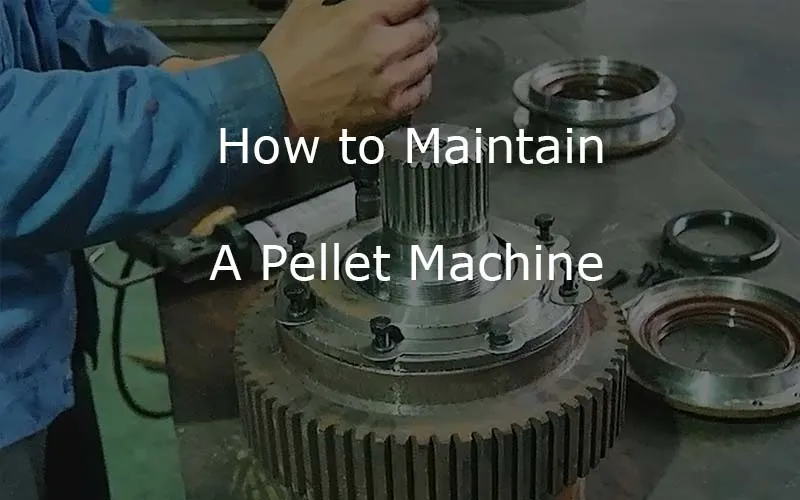
This guide provides a general pellet mill maintenance framework for industrial operators and maintenance teams. It organizes routine work into four stages: checks before startup, observations during operation, cleaning and inspection after shutdown, and periodic tasks defined by the exact model manual. The guidance covers foreign-material control, lubrication condition, fasteners, guards, bearings, rollers, dies, drives, electrical areas and maintenance records without inventing one schedule for every machine. Lubricant grades, oil or grease quantities, service intervals and roller-to-die clearances vary by machine family, model and supplied configuration. Use the documentation for your TCPEL machine for those values. Persistent overheating, blockage, overload, abnormal noise, strong vibration or sudden output loss belongs in the separate pellet mill troubleshooting process.
Quick Answer: How Do You Maintain a Pellet Mill?
Maintain a pellet mill by checking guards, fasteners, the pelleting chamber, visible wear and lubrication condition before startup. During operation, monitor feeding, noise, heat, vibration, leakage and other abnormal signs. After shutdown, isolate the machine according to the applicable safety procedure, remove residual material, clean accessible parts and record defects for follow-up. Use the manual for the exact machine family, model and supplied lubrication system to set lubricant grades, quantities, intervals and roller-to-die clearance. If overheating, blockage, overload, strong vibration or output loss persists, stop routine maintenance and use the troubleshooting process.
What to Check Before Starting a Pellet Mill

Safety and Model-Manual Checks
Before inspection, cleaning, adjustment or maintenance, stop the machine, isolate power and follow the safety procedure for the applicable model. Review the current manual for the exact TCPEL pellet machine range, because inspection points and supplied systems differ by machine family and configuration.
Foreign Material, Guards, Fasteners and Visible Wear
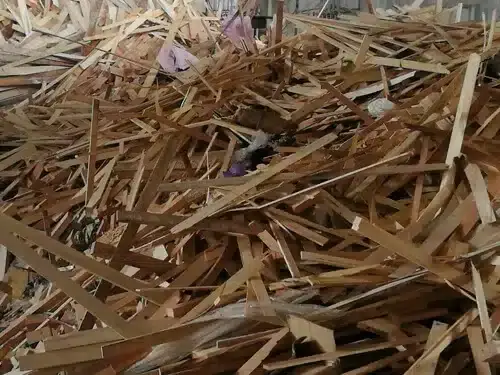
Check accessible guards, fasteners and the pelleting chamber. Remove metal, stone and other hard contaminants before material enters the chamber. Inspect the die, roller and accessible wear parts for blockage, visible damage, uneven condition, looseness or other obvious abnormalities.
Lubrication, Drive and Electrical Condition
Check visible lubricant condition, oil level, leakage, reservoirs, hoses, fittings and delivery points that are present on the supplied machine. Inspect accessible gearbox, belt, coupling, seals, electrical enclosures and ventilation paths for contamination, looseness or visible damage. Qualified personnel should handle electrical defects.
What to Monitor During Operation
Feeding and Machine Behavior
Observe feeding stability and the machine’s normal operating behavior. Avoid uncontrolled overfeeding. If feeding becomes unstable or the machine does not behave normally, reduce feeding and follow the applicable safe inspection procedure.
Noise, Heat, Vibration, Leakage and Lubrication Warnings
Monitor abnormal noise, unusual heat, strong vibration, leakage, smoke, burning odor and signs that the supplied lubrication system is not delivering correctly. Do not rely on a universal temperature, vibration or current threshold. Persistent abnormal signs require a safe stop and model-specific inspection.
What to Do After Shutdown
Safe Isolation and Residual-Material Removal
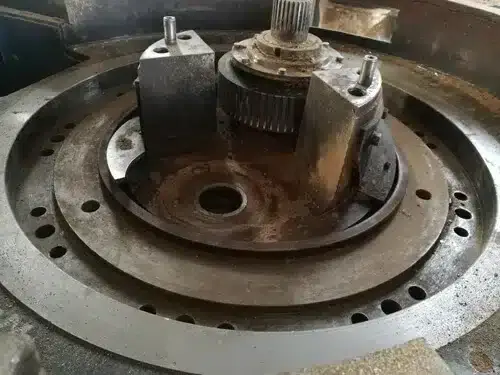
Shut down and isolate the machine according to the applicable procedure. Remove residual material and clean accessible feeder, chamber, die, roller and ventilation areas. Inspect die holes for blockage or damage and use only the cleaning method approved for the machine family.
Cleaning, Visible Wear Inspection and Maintenance Records
Check visible wear, looseness, damage and leakage after cleaning. Keep the machine dry and protect exposed surfaces when required by the model documentation. Record the machine model, operating condition, inspection findings, lubrication actions, replaced parts and unresolved abnormalities for follow-up.
Lubrication and Wear Inspection
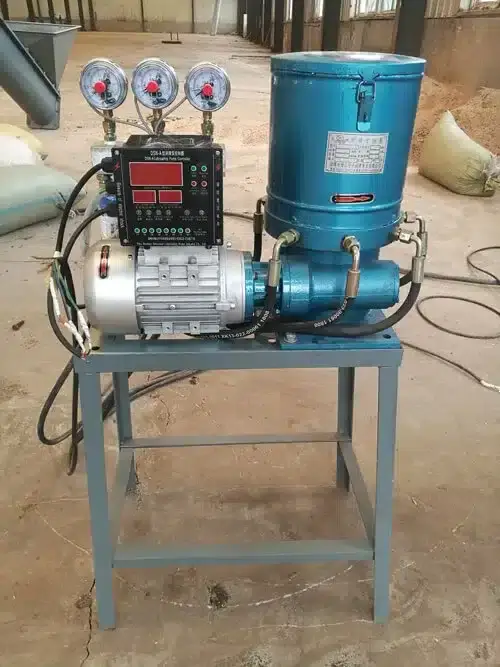
Generic pellet mill lubrication guidance is qualitative only. Check lubricant condition, oil level, leakage, reservoirs, hoses, fittings and delivery points according to the supplied lubrication system. Use only the lubricant grade, quantity and interval specified for the exact lubrication point, model and operating condition.
In our experience, insufficient or unsuitable lubrication can accelerate bearing wear. Abnormal heat, noise, vibration or signs of seizure should trigger a safe stop and model-specific inspection.
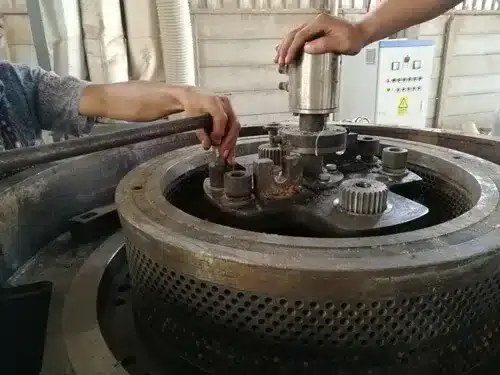
Inspect dies, rollers and other wear parts by condition. Use the pellet die inspection and replacement guide for die-selection and replacement context, and the ring die crack prevention guide for that specific failure subtopic. Replacement decisions must follow the applicable model criteria, not a universal service-life claim.
Model-Specific Maintenance Requirements
There is no single universal time-based maintenance schedule across all TCPEL pellet mill families. Lubricant grade, lubricant quantity, lubrication points, lubrication interval, oil quantity, roller-to-die clearance, replacement interval and product-specific wear checks depend on the machine family, model, supplied configuration and operating condition.
No universal roller-to-die clearance applies across all pellet mill designs. Use the current manual, specification and approved adjustment procedure for the exact machine. Product-specific maintenance information for TCF feed pellet machines, flat die pellet machines and the industrial vertical ring die pellet mill must remain within the applicable product context.
Pellet Mill Maintenance Checklist
| Stage | Generic Maintenance Checks | Exact Values |
|---|---|---|
| Before Start | Guards, fasteners, chamber cleanliness, foreign material, visible lubricant condition, leakage, visible wear and model-manual checks. | Use the exact model documentation. |
| During Operation | Feeding behavior, abnormal noise, unusual heat, vibration, leakage, smoke or odor, and lubrication delivery. | No universal threshold. |
| After Shutdown | Safe isolation, residual-material removal, cleaning, visible wear or looseness, dry storage boundary and maintenance records. | Use the applicable procedure. |
| Periodic Model-Specific Checks | Manual-defined lubricant, interval, quantity, clearance, wear criteria and replacement requirements. | Machine family, model and configuration specific. |
When Maintenance Becomes Troubleshooting
Routine maintenance covers inspection, cleaning, qualitative lubrication checks, wear monitoring and records. If overheating, blockage, overload, failure to pelletize, abnormal noise, strong vibration or sudden output loss persists after routine checks, stop the machine safely and use the pellet mill troubleshooting guide instead of continuing normal operation.
Pellet Mill Maintenance FAQ
How do you maintain a pellet mill?
Use a four-stage routine: inspect the machine before startup, monitor behavior during operation, clean and inspect after shutdown, and complete periodic tasks according to the exact model manual. Record abnormalities and escalate persistent symptoms to troubleshooting.
How often should a pellet mill be lubricated?
There is no single lubrication interval that applies to every TCPEL pellet mill. The interval depends on the machine family, model, lubrication point, supplied lubrication system and operating condition. Follow the current manual for the exact machine.
Is there one maintenance schedule for every pellet mill?
No. TCPEL pellet mill families use different structures and lubrication systems. This guide provides a task-based framework; exact time-based intervals remain model-specific.
How do you check pellet mill rollers and dies?
Inspect visible wear, damage, blockage, uneven condition and abnormal contact only after the machine is safely stopped. Roller-to-die clearance and replacement criteria must follow the model specification and approved procedure; there is no universal setting.
What signs indicate a bearing or lubrication problem?
Abnormal heat, noise, vibration, leakage, signs of seizure or a lubrication-delivery problem are warning signs. Stop the machine safely and inspect the applicable lubrication and bearing system without relying on a universal temperature or vibration threshold.
When should I use a troubleshooting guide instead of routine maintenance?
Use troubleshooting when overheating, blockage, overload, failure to pelletize, strong vibration, abnormal noise or sudden output loss persists. Routine maintenance identifies and helps prevent problems; troubleshooting diagnoses a specific failure.
Ask About Your Pellet Mill Maintenance Requirements
Send the TCPEL machine family, model and serial number, raw material, operating condition, maintenance question or symptom, recent service record, and clear photos or a short running video. This helps identify which manual, lubrication point or product-specific check applies.