Rotary Dryer Machine for Biomass and Bulk Materials

Industrial rotary drum dryer for biomass, fertilizer, minerals and bulk material drying projects

Rotary Dryer Selection Guide

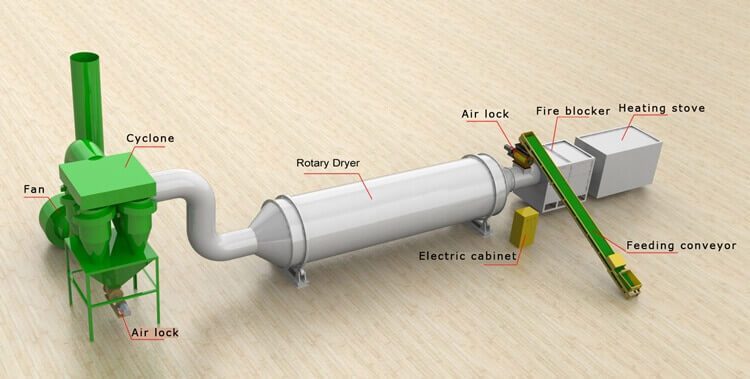
rotary-dryer-layout

A rotary dryer should be selected by moisture removal load, material behavior, heating method and line layout. Before choosing a model, confirm the material name, particle size, initial moisture, target final moisture, hourly capacity and available heat source.

For biomass, fertilizer, mineral and other bulk material projects, TCPEL can review the material condition and recommend whether a single rotary dryer or a complete drying line is more suitable.
What Is a Rotary Dryer?

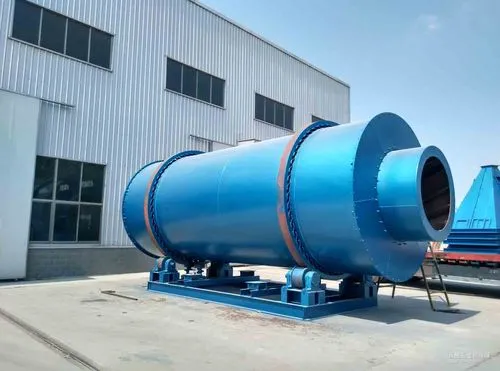
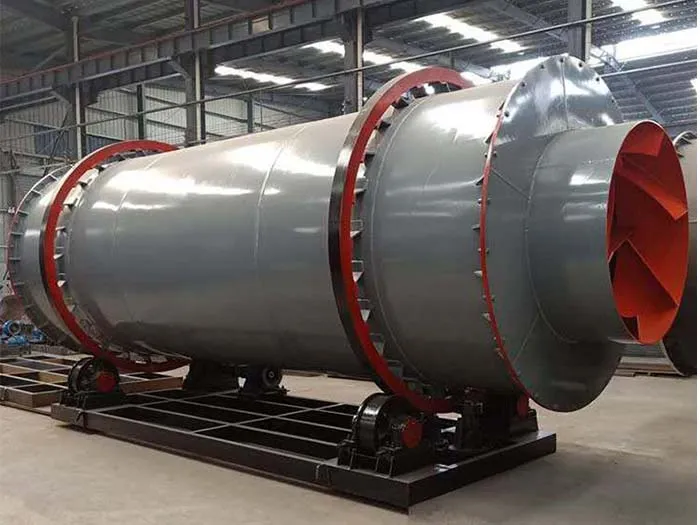
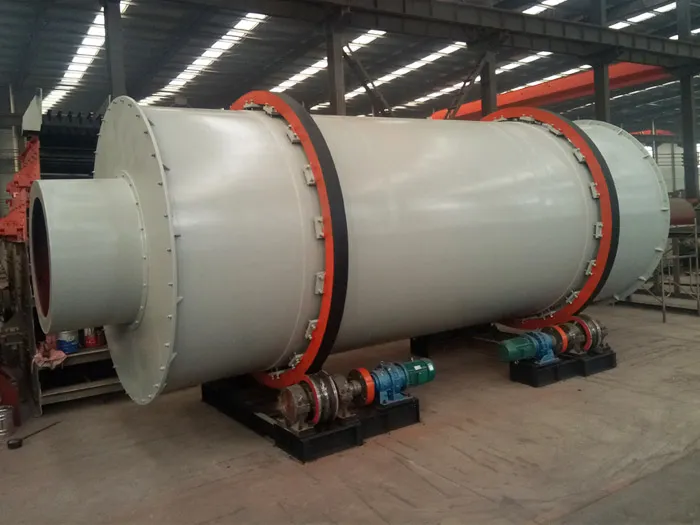
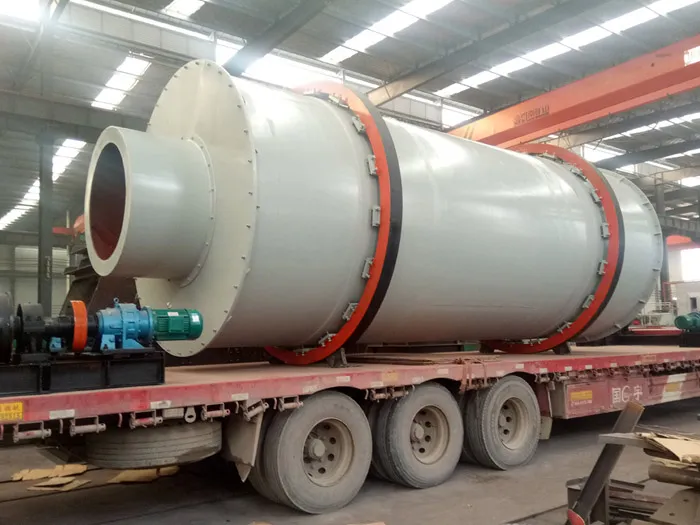
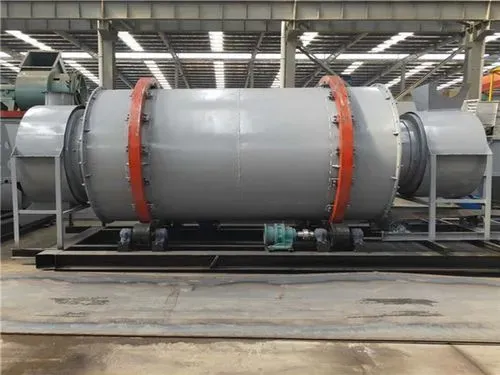
A rotary dryer is an industrial drying machine that uses a rotating drum and hot air flow to reduce the moisture of bulk materials. It is commonly used before pelletizing, fuel preparation, fertilizer processing, mineral handling, storage or packing.

How a Rotary Dryer Works

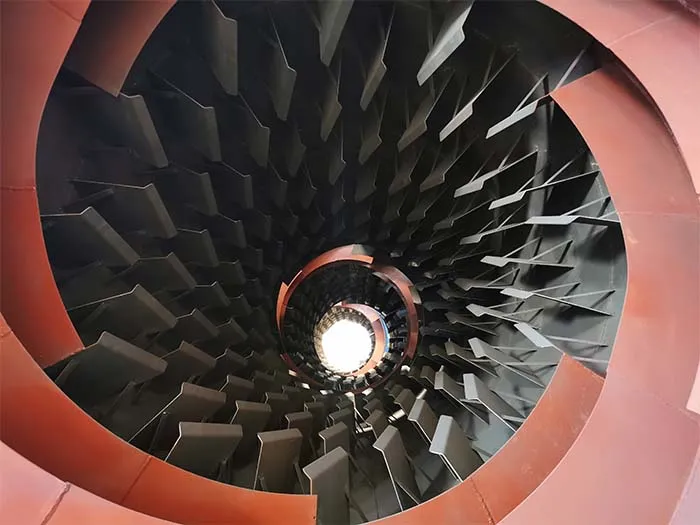
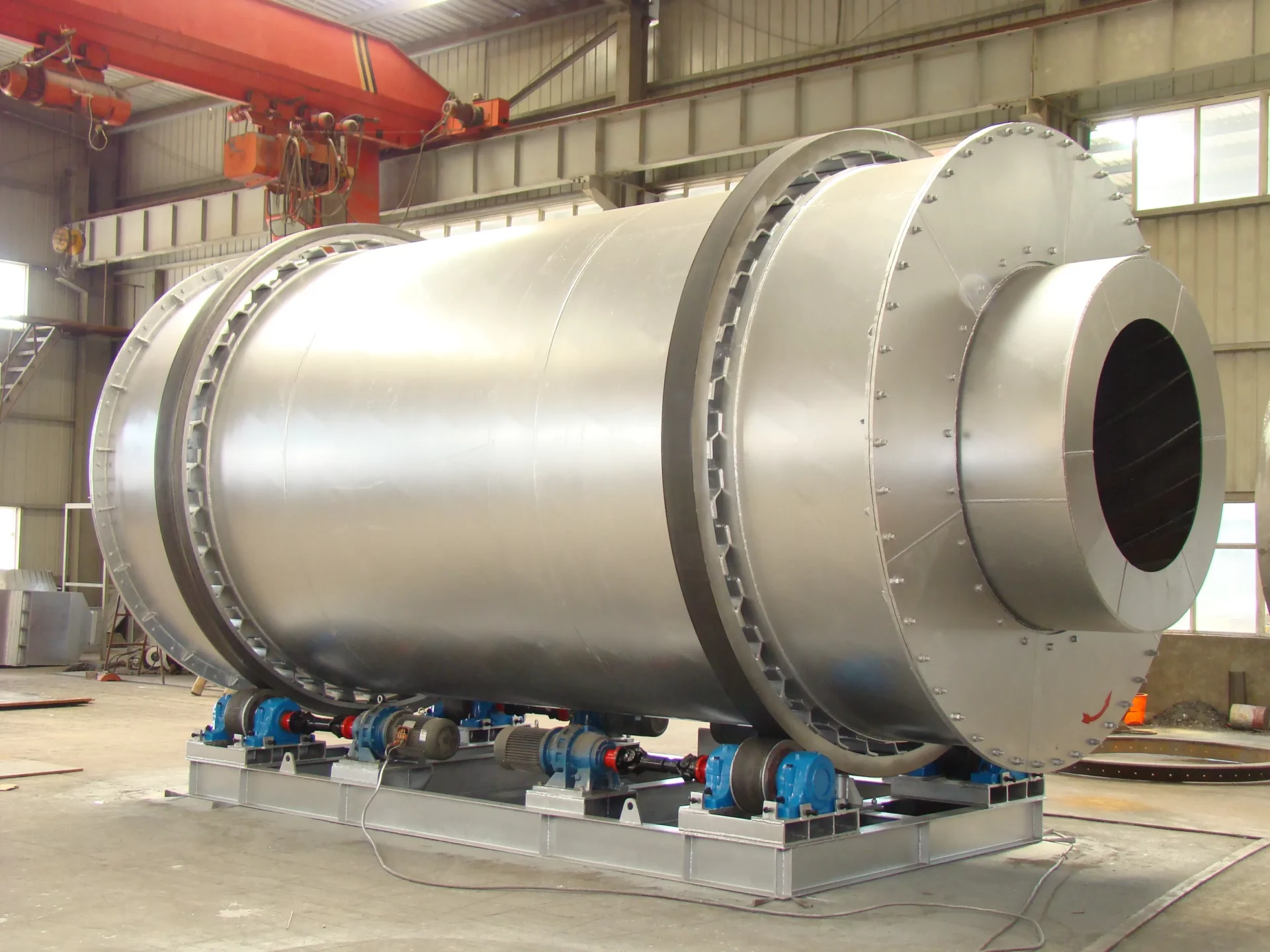
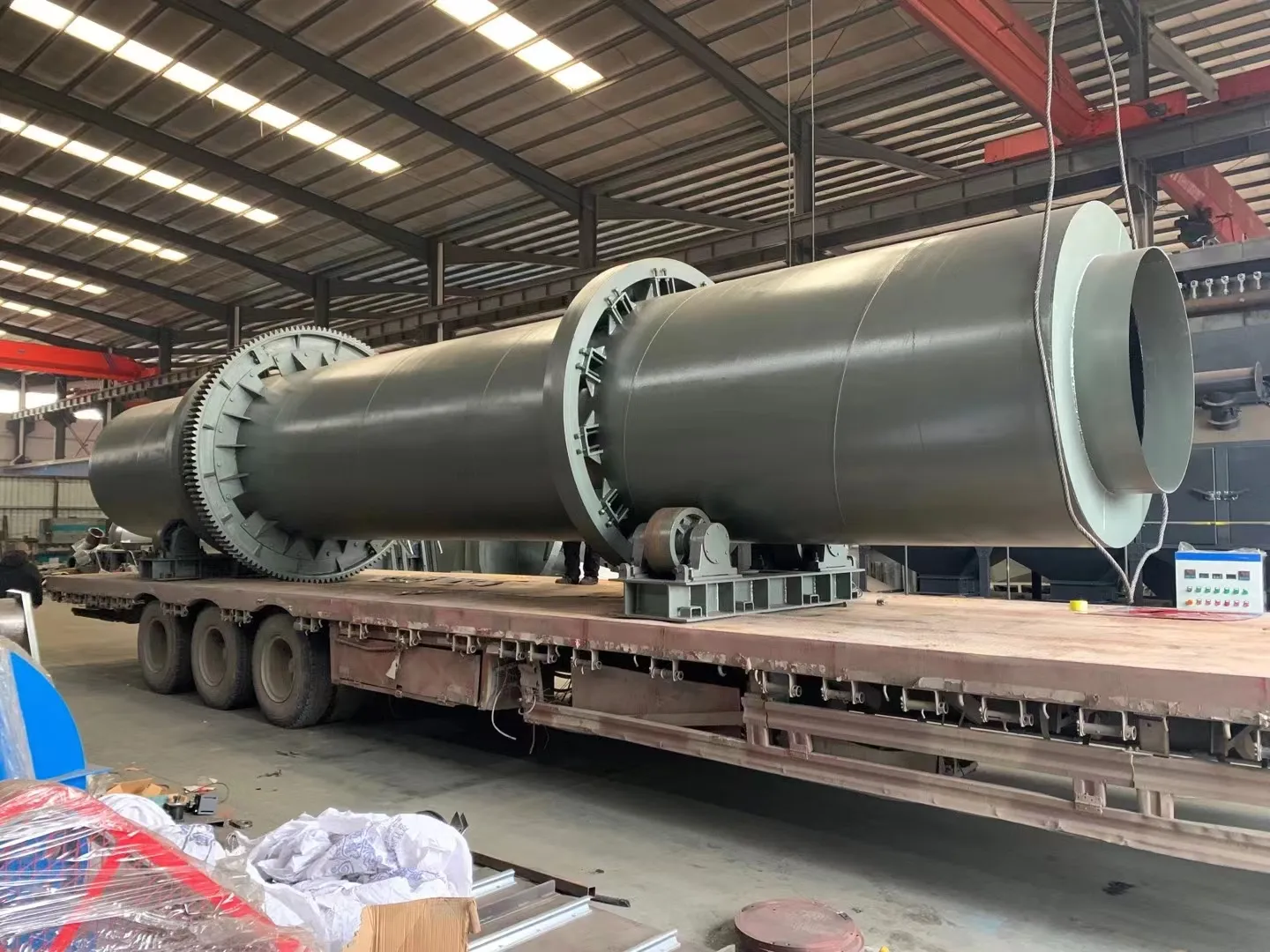
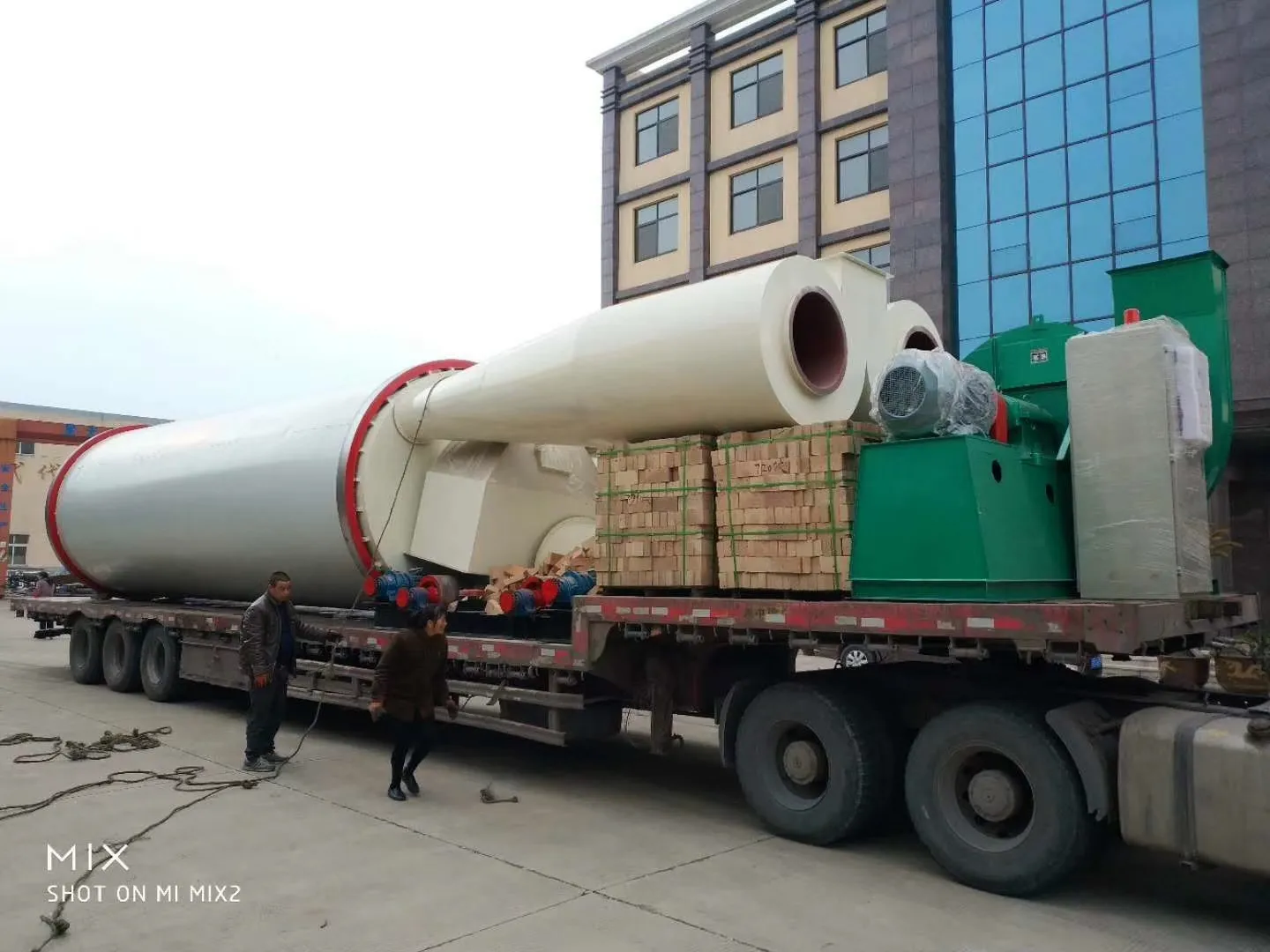
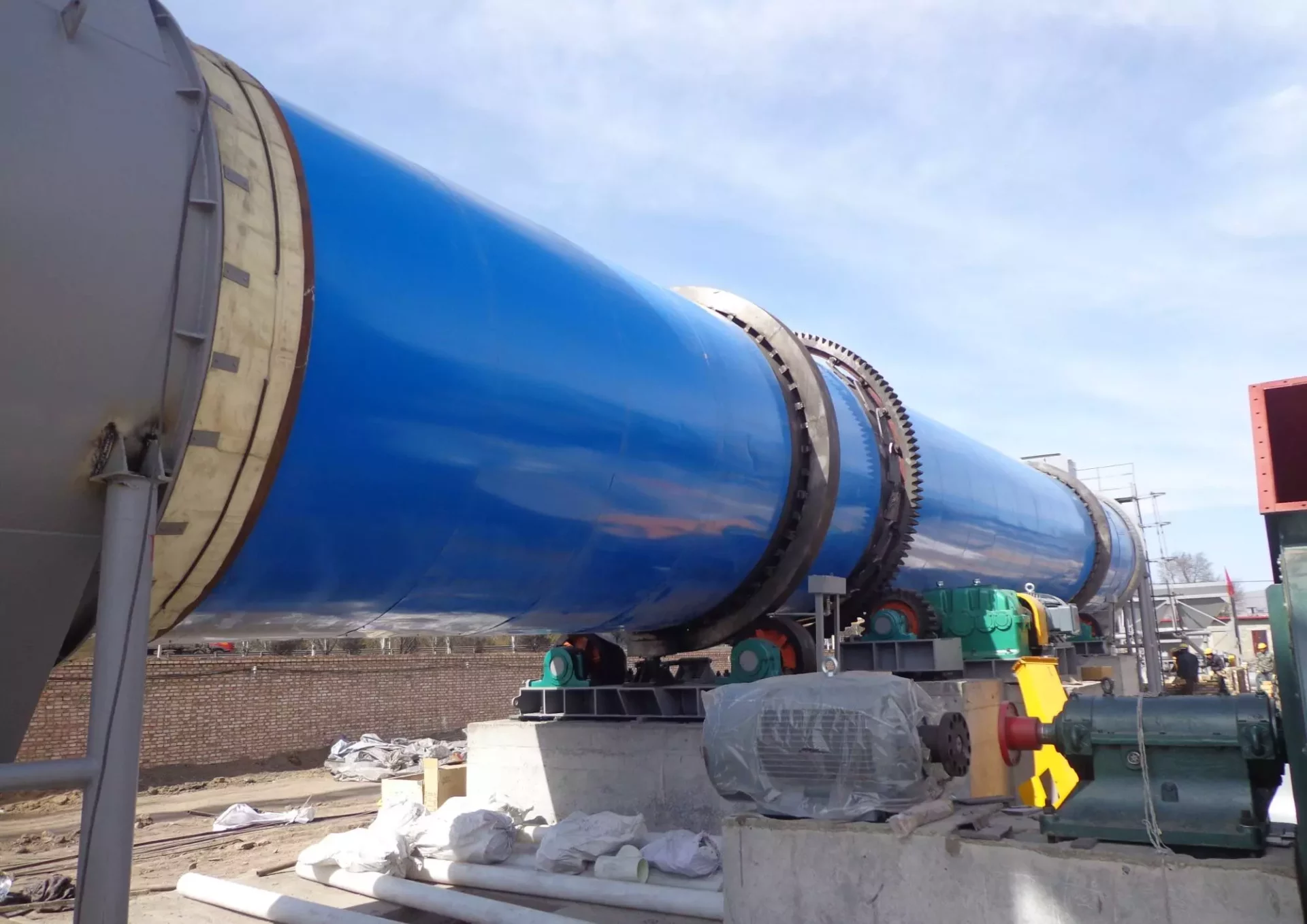
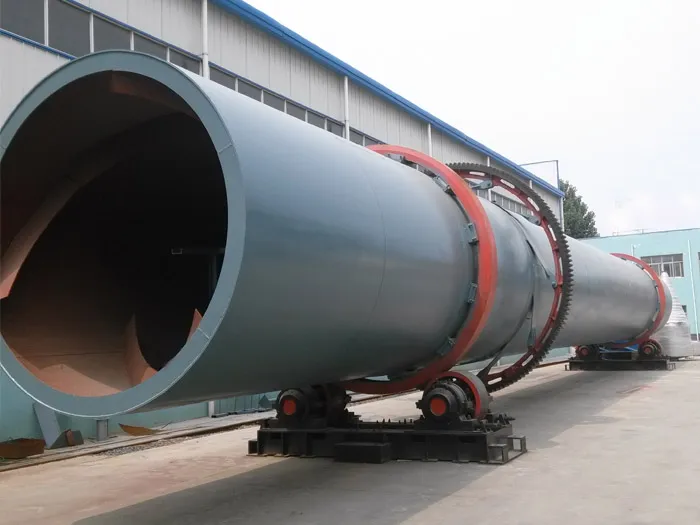
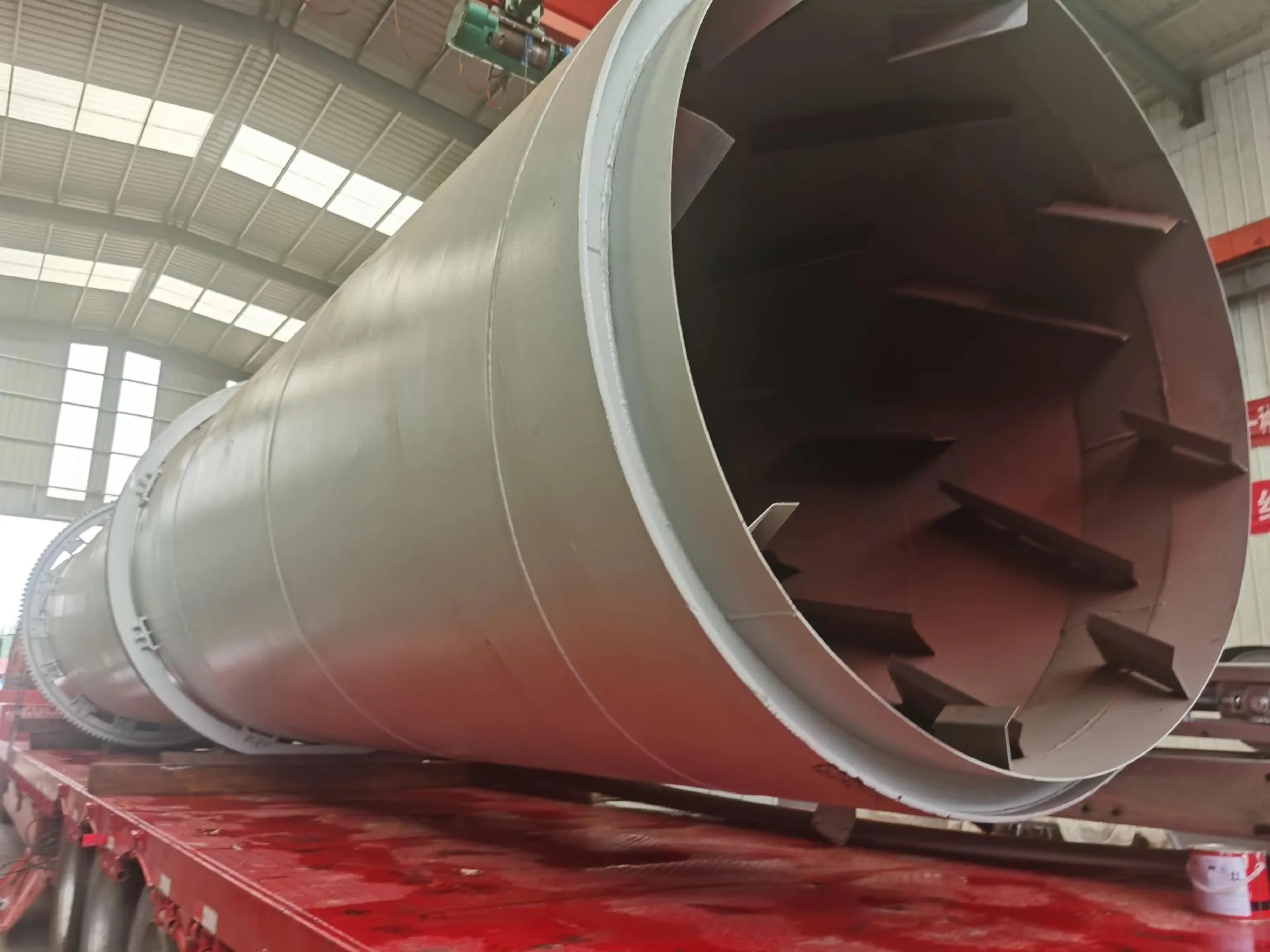
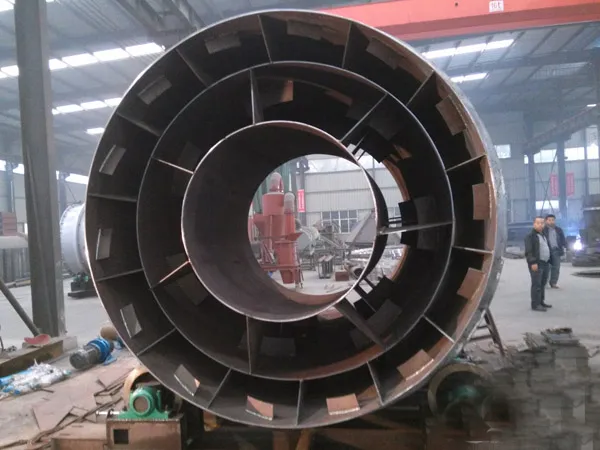
Prepared material enters the drum through a feeding system. As the drum rotates, lifting plates move the material through the hot air stream so moisture can evaporate. Dried material is discharged at the outlet, while dust and fine particles can be collected through cyclone or pulse dust collection equipment.

Direct and Indirect Heating

In direct heating, hot air contacts the material directly. This is common for many biomass and bulk material drying projects. Indirect heating separates the heat source from the material and may be considered when material sensitivity or process requirements make direct contact unsuitable.
Rotary Dryer Design Checklist

  • Raw material name, particle size and feeding condition.
  • Initial moisture and target final moisture.
  • Hourly capacity and daily working hours.
  • Available heat source and local emission requirements.
  • Installation space, feeding height, discharge height and dust collection layout.
  • Connection with crusher, pellet machine, cooler, screener or packing machine.

What to Send Before Quotation

To prepare a practical rotary dryer recommendation, send material photos or videos, moisture data, target capacity, heat source, voltage, destination port and whether you need only the dryer or a complete drying line.

TCPEL Rotary Drum Dryer Machine Introduction

A rotary dryer machine reduces moisture in prepared biomass, wood chips, sawdust, fertilizer, minerals and other bulk materials before pelletizing, storage, combustion or downstream processing.

TCPEL helps buyers confirm raw material condition, initial moisture, target final moisture, hourly capacity, heat source, installation space, dust collection and complete line requirements before recommending a dryer configuration.

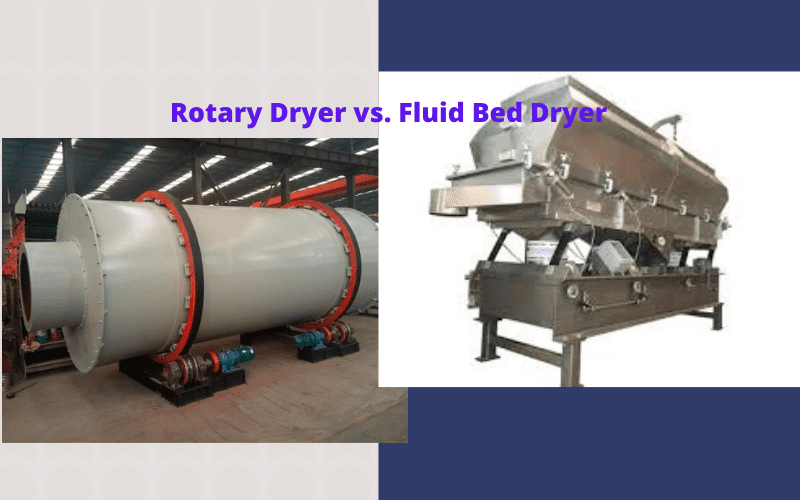
For supplier comparison, read the rotary dryer manufacturer guide. If you are comparing dryer types, see Rotary Dryer vs Fluid Bed Dryer.

Rotary Dryer Model and Project Parameters

Rotary dryer specifications should be confirmed according to material, moisture removal, capacity and heat source. The same drum size can perform differently when material particle size, feeding stability or inlet moisture changes.

Selection itemWhat to confirm
Raw materialSawdust, wood chips, bamboo powder, biomass, fertilizer, minerals, sand or other bulk material.
Moisture dataInitial moisture, target final moisture and whether the material is sticky, dusty or heat sensitive.
CapacityHourly output, daily working hours and whether the project needs continuous operation.
Heat sourceBiomass fuel, natural gas, diesel, coal, steam or another available local energy source.
Line layoutFeeding conveyor, hot air furnace, cyclone, dust collector, discharge conveyor and downstream machine height.
ModelInternal diameter (mm)Length (mm)SpeedPower (KW)Evaporation (T/H)Weight (tons)
0.8x10m80010000102.20.07-0.153
1.0x10m1000100001030.1-0.234.6
1.2x10m120010000840.25-0.355.6
1.4x10m14001000065.50.25-0.57.8
1.5x10m15001000057.50.35-0.618.5
1.6x22m1600220003.8110.8-1.219.7
1.8x22m1800220003.8110.9-1.527.8
2.0x22m2000220003.8151-1.830.9
2.2x22m2200220003.3151.2-2.234
2.4x22m2400220003.3221.5-2.837
2.5x22m2500220003.3222-339
2.6x22m2600220003.3302.5-3.547
2.8x22m2800220003.3303-455

Rotary Dryer Selection and Project Support

TCPEL rotary dryer projects can be configured as a single drying machine or as part of a drying line with feeding conveyor, hot air furnace, cyclone, dust collector, discharge conveyor and downstream pellet or packing equipment.

Self-cleaning or self-returning structures should be confirmed according to material behavior and project scope. These terms should not be selected only by keyword; material testing and layout confirmation are more important.

Rotary Dryer FAQ

What materials can be dried in a rotary dryer?

Common materials include sawdust, wood chips, bamboo powder, biomass, fertilizer, minerals, sand, sludge and other bulk materials. Final suitability depends on moisture, particle size and heat sensitivity.

What information is needed for rotary dryer quotation?

Send raw material, initial moisture, target final moisture, required capacity, heat source, voltage, site layout and destination port.

How do I choose rotary dryer capacity?

Capacity should be selected by moisture removal load, material density, working hours, feeding stability and downstream equipment requirement.

What heat sources can be used?

Typical heat sources include biomass fuel, natural gas, diesel, coal, steam or hot air systems. The final choice depends on local energy cost and emission rules.

Can TCPEL provide a complete drying line?

Yes. A line can include feeding, drying, dust collection, discharge conveying and connection with pellet production or packing equipment.

What is the difference between a rotary dryer and a fluid bed dryer?

A rotary dryer is commonly used for bulk materials and continuous drying. A fluid bed dryer may suit some smaller or more uniform materials. Compare material behavior before selection.

Here are some of the most important features of the  Rotary Dryer:

  1. It has an automatic lubricating system with automatic grease injection and filtration – this ensures a longer work time without stopping.
  2. It comes with a dust and cooling system to reduce dust production during operation.
  3. This machine reduces or minimizes liquid moisture content with low-speed rotation and curved plate hammering for better drying. It can be used in fertilizer, medicine, chemical, and wood processing facilities and factories.
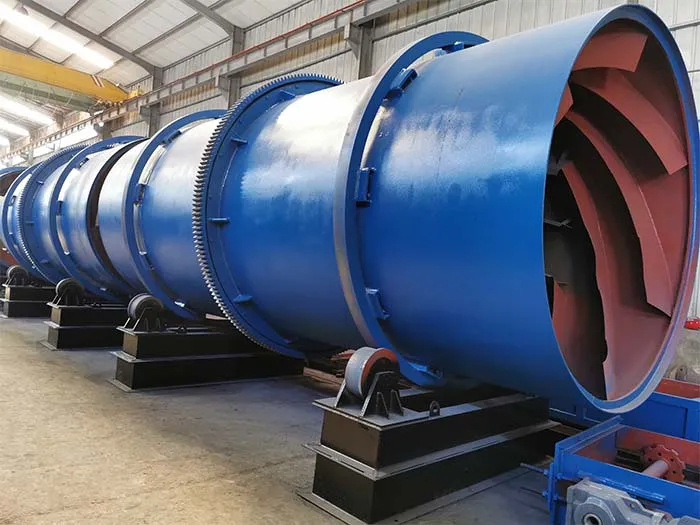
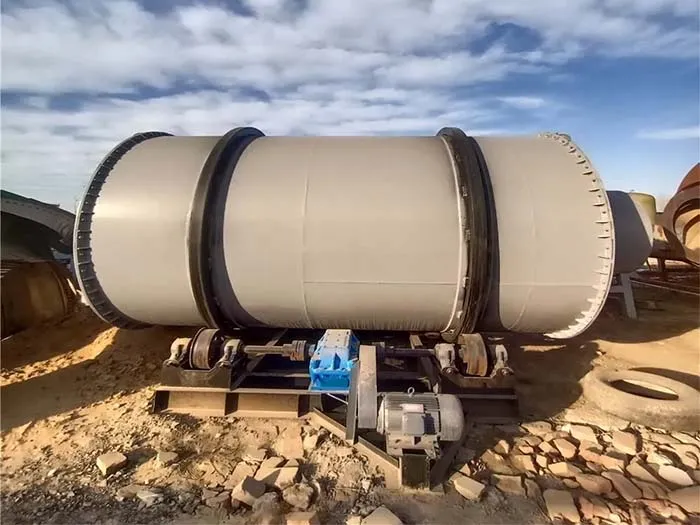
  4. The rotary dryer has a cylinder, transmission, lifting plate, supporting machinery, and other devices. The lifting plate moves the wet material inside the rotating cylinder with hot air turning water into steam and drying the materials quickly. It is equipped with variable frequency speed control so you can adjust the internal speed of the dryer. It is made with a sealed firebrick on the inside to keep things safe.
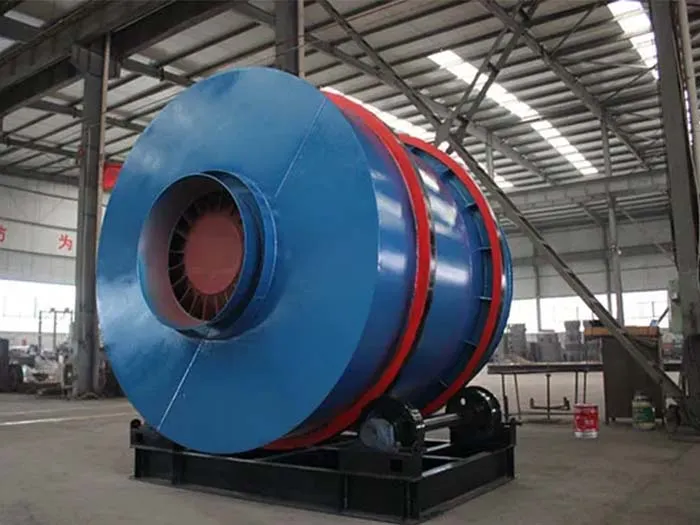
  5. It is suitable for sawdust drum dryers in particular, since it has folding installation and can be installed in a small area. It has a small evaporation capacity making it suitable for a variety of materials. The dryer temperature can reach temperatures as high as 500 degrees Celsius for maximum efficiency.
  6. It has stable working performance, low energy consumption and high efficiency, and easy operation.
  7. It is equipped with a temperature display instrument so you can easily see input and output temperatures in the control panel. It also comes with an automatic alarm system.
  8. This machine is incredibly stable with great wear resistance and a roller base that balances the dryer body. The connection between the dryer and hot blast stove also has a transition tube for safer operation.

Rotary Dryer Material Applications

Rotary dryers are used to reduce moisture in bulk materials before storage, pellet production, combustion, fertilizer processing, mineral handling or other downstream production steps. Typical applications include sawdust, wood chips, bamboo powder, biomass, fertilizer, minerals, sand, food-related bulk materials and chemical materials.

The correct dryer configuration depends on material moisture, particle size, heat sensitivity, required final moisture, dust control and plant layout.

A sand dryer is a machine designed to remove moisture from sand, enhancing its usability in construction and manufacturing. By utilizing heat and airflow, it efficiently reduces moisture content, making sand suitable for various applications like concrete production and foundry processes.


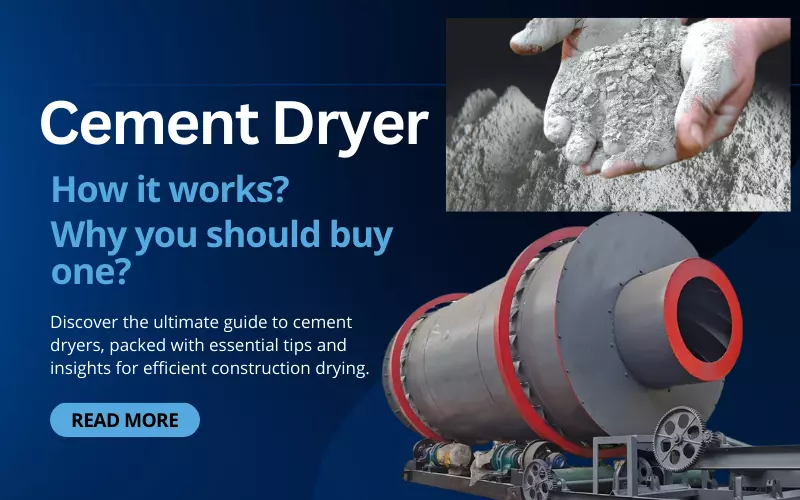
A cement dryer is a specialized equipment used to reduce moisture in cement materials, enhancing their quality and performance. By utilizing heat and controlled airflow, it efficiently lowers moisture content, ensuring the stability and strength of the final cement product for construction purposes.

A biomass dryer is a vital machine for processing organic materials like wood chips, agricultural residues, and bioenergy feedstock. By utilizing heat and airflow, it reduces moisture content, optimizing combustion efficiency and facilitating bioenergy production. It plays a crucial role in sustainable energy practices and waste reduction.

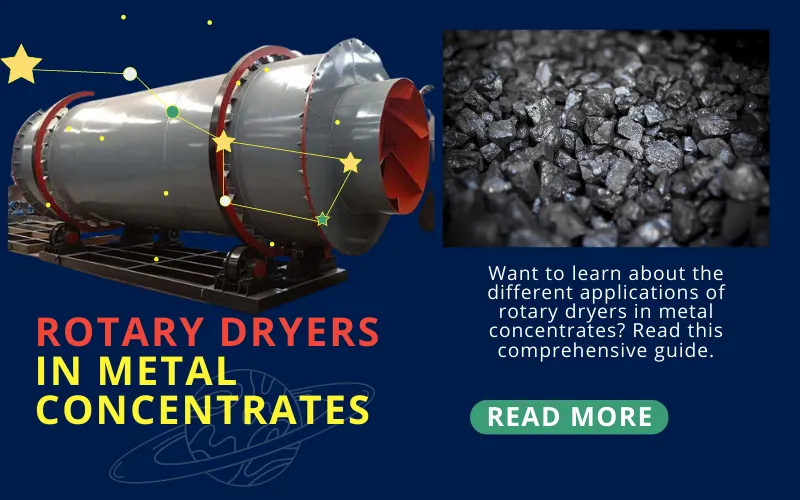
Rotary dryers play a pivotal role in the metallurgical industry by efficiently drying metal concentrates before further processing. By eliminating moisture, these dryers enhance energy efficiency, reduce transportation costs, and improve the quality of metal products. They are indispensable in optimizing metallurgical processes for various industries.

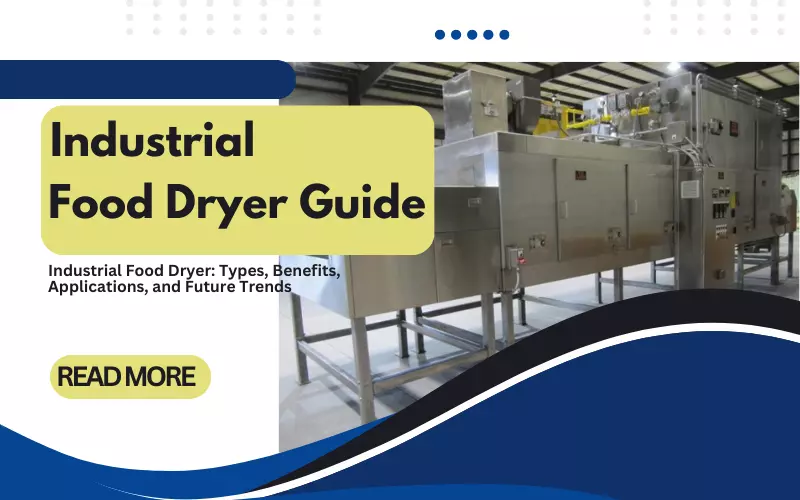
An industrial food rotary dryer is a crucial equipment in the food processing sector, effectively removing moisture from various food products like spices, nuts, and coffee beans. By utilizing controlled heat and airflow, it extends shelf life, prevents microbial growth, and preserves the flavors and textures of the final food products.

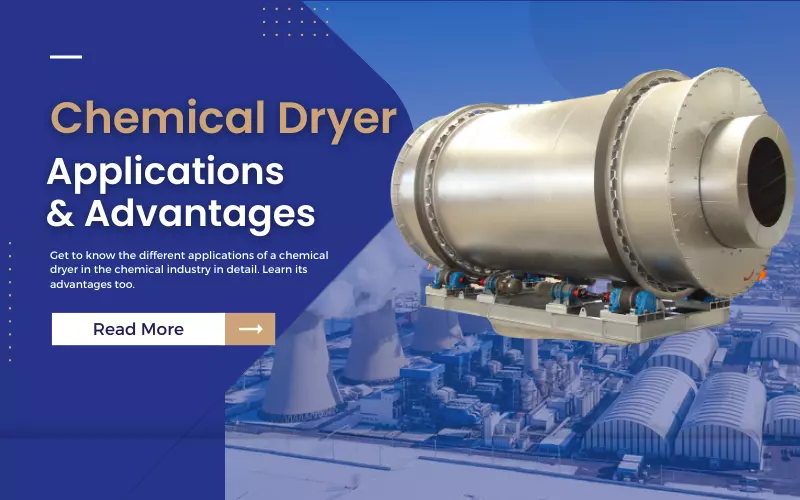
A chemical rotary dryer is an essential tool in the chemical industry, efficiently drying a range of chemicals, including fertilizers, pigments, and catalysts. By utilizing precise heat and controlled drying conditions, it prevents unwanted reactions, ensures product quality, and contributes to the overall efficiency of chemical processes.

A bamboo powder rotary dryer helps reduce moisture before storage, fuel preparation or pellet production. The system should be selected according to powder size, inlet moisture, final moisture and dust collection requirements.

In agricultural material drying, a rotary dryer can process grains, crop residues, fibers or other bulk materials when temperature, airflow and retention time are matched to the product requirement.

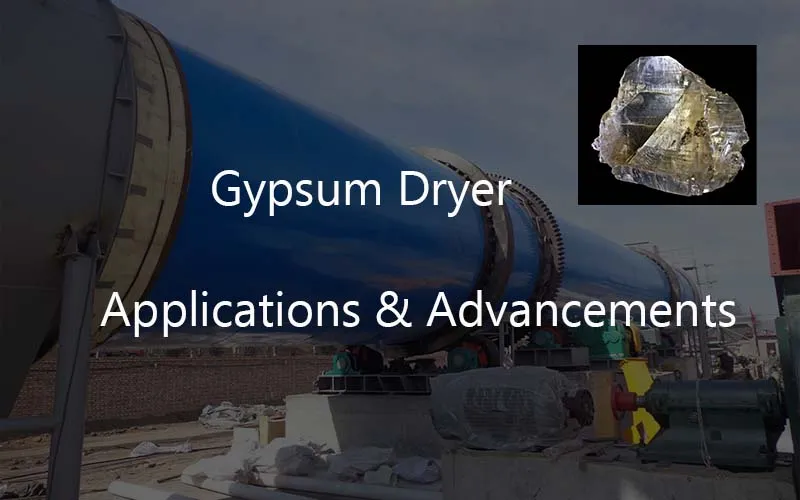
A gypsum dryer is integral to gypsum processing, reducing moisture and enhancing usability. By using heated air, it efficiently removes excess water, preventing clumping and improving storage and transport. Modern designs prioritize energy efficiency, contributing to cost-effective, high-quality gypsum products for construction and manufacturing.

Normal Rotary Dryer Wear Parts and Lifetime

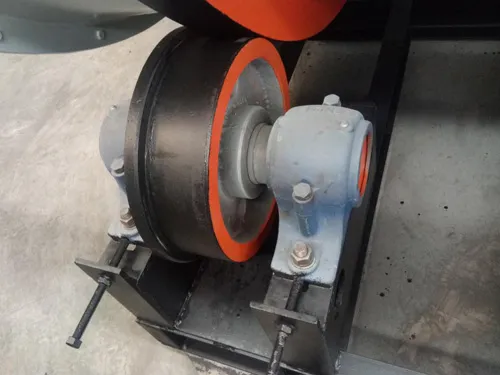
Rotary dryer wear parts are crucial components that ensure the optimal functioning and longevity of rotary drying systems. These parts, such as trunnion wheels, riding rings, thrust rollers, and more, are designed to withstand the harsh conditions of high-temperature drying processes and the abrasiveness of materials being processed. By reducing friction and providing support, these wear parts enhance efficiency, minimize downtime, and contribute to cost-effective operations. Regular inspection, maintenance, and timely replacement of worn components are essential to maintain the overall performance and extend the service life of rotary dryers in various industries like agriculture, mining, and manufacturing.

rotary dryer tug

The general service life of the rotary dryer tug is 6-8 months. The material of the dryer tug produced by our company is the same as that of the track steel, both of which have undergone deep heat treatment, and the designed minimum service life is 8-12 months.

rotary drum dryer ring gear

The general service life of the rotary dryer ring gear is 60-90 months (6-8 years), and the service life of a set of dryer is 8-10 years. The roller rings of our company’s dryer are all cast with manganese steel, and the surface has been heat-treated. The service life is 8 years.

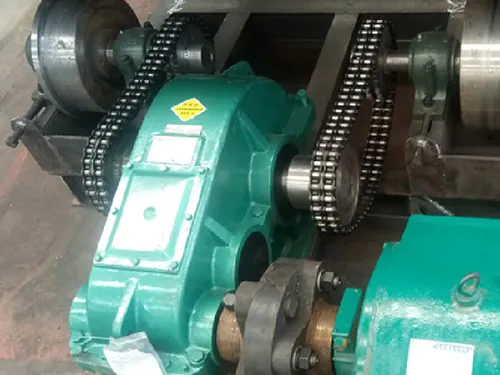
rotary drum dryer machine drive chain

The chain is the bridge that provides power for the dryer. The service life of the rotary dryer chain is related to various factors such as design, installation, foundation, and use. Generally, the service life of the chain is 36 months. At present, our company mostly uses couplings for drying. The dryer provides power, making the operation more stable.
Lifting plate inside the dryer

Generally, the service life of the rotary dryer drum and the lifting plate is 8-10 years. The lifting plate we use is thickened manganese steel, and the welding process is full welding, so the service life is increased and the maintenance cost is reduced greatly.
rotary dryer inlet head

Since the feed port is often heated, the rotary dryer inlet port is also a wearing part during the entire service life of the dryer and needs to be replaced. The material inlet of our company is made of the same wear-resistant and high-temperature-resistant boiler steel as the whole machine, and the designed service life is 30 months.

Talk to an Expert

Contact us
en_USEnglish